
Dublin service to mark British 1916 dead '˜overdue but welcome' says Kevin Myers, who campaigned for it
A man who has long campaigned for the recognition of the British dead of 1916 has welcomed Thursday's service in Dublin to mark formally those fatalities.
The journalist Kevin Myers said: “It was a very good ceremony, little bit overdue.”

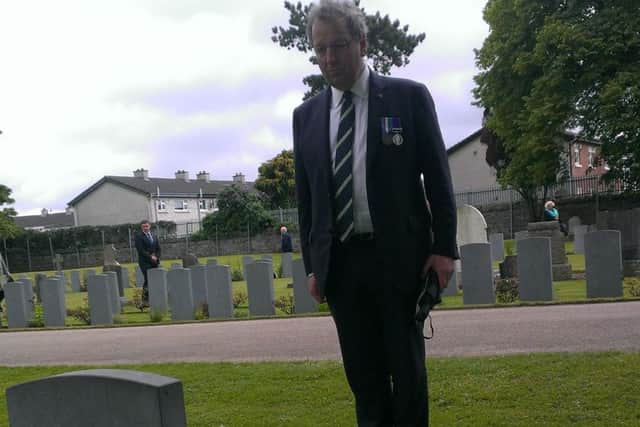
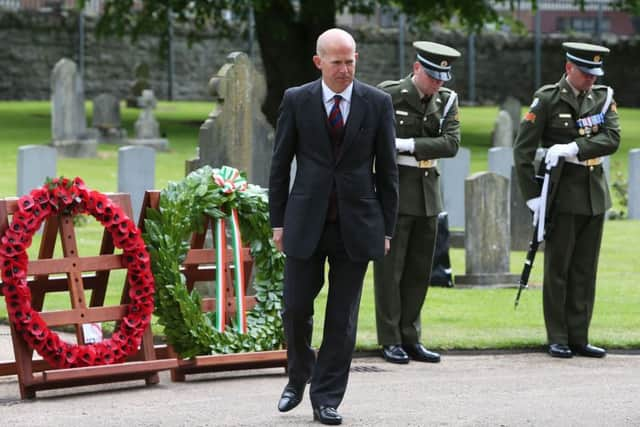
The event, which was held at Grangegorman military cemetery, was attended by members of the Irish and British militaries, and by politicians including Ireland’s foreign minister Charlie Flanagan and the Ulster Unionist Party leader Mike Nesbitt.
It was an official commemoration of the approximately 125 soldiers of the British armed forces died during the rebellion against British rule a century ago this year.
The British ambassador to Dublin Dominick Chilcott laid a wreath on behalf of the UK government.
Mr Myers told the News Letter: “It is the kind of thing that could have been done years ago and didn’t happen but it has happened now and you can’t complain when something good happens, you just look on the good side.”
He said that there was international precedent for such a service.
“This kind of reconciliation was achieved at Verdun in the 1980s when Helmut Kohl and the French president stood together and held hands on the place where a million French and German soldiers died in the Great War, so this is not unprecedented.”
Mr Myers said that he been advocating the event for a long time – “just about my entire professional life”.
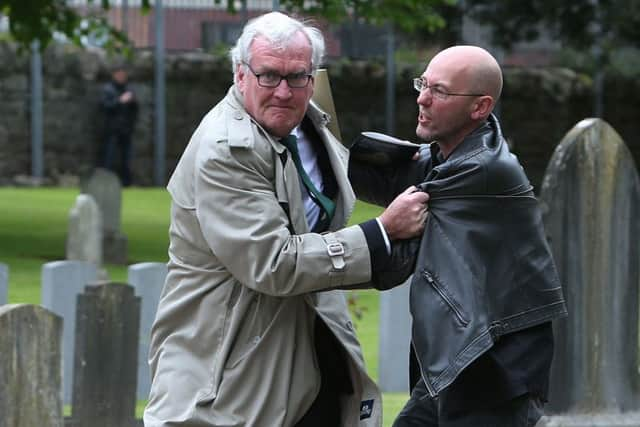
He dismissed the significance of the interruption of the occasion by a lone republican protestor, who was wrestled with by the Canadian ambassador Kevin Vickers.
“That was just stupid. Most people looking back won’t even remember that.” [See pictures of the protest drama here]
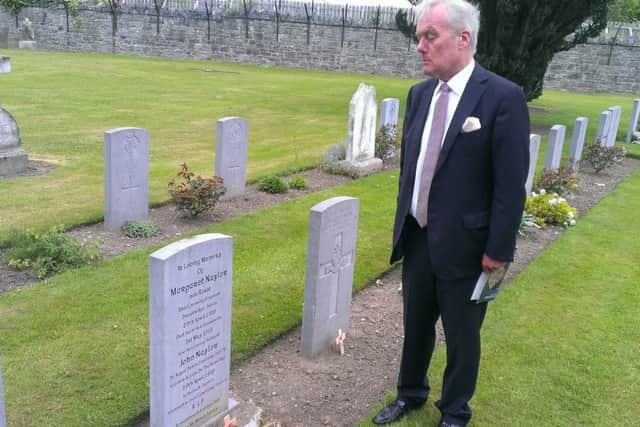
After the service, Mr Myers stood by the grave of the Naylors, a married couple John and Margaret who in a remarkable coincidence were killed on the same day, April 29 1916.
She died in Dublin from being shot while crossing Ringsend during the Rising while he was a soldier who was killed in action in France.
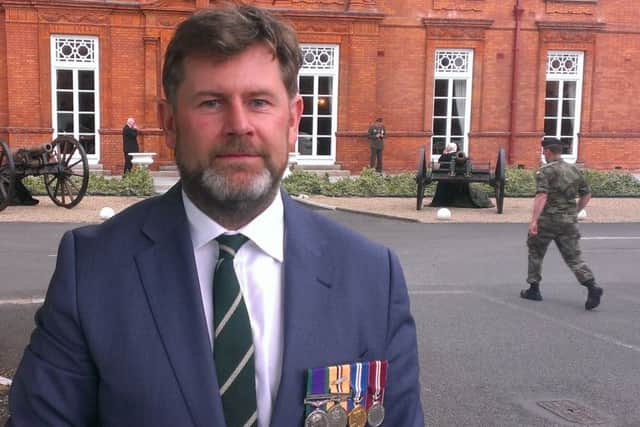
The Ulster Unionist MP Danny Kinahan, a former guards officer, was present at Thursday’s event, which he described as “quite fantastic”.
He said that it had been “absolutely the right balance, with Irish and British forces present”.
The South Antrim MP added: “It was heart warming. I was just thinking of someone in their grave if they could listen being really proud.”
Mr Kinahan said of the sole protest republican disturbance during the ceremony: “You know it was over like a shot and dealt with rather quickly and after that you had forgotten it.”
Mr Nesbitt said that he had decided earlier this year to attend two engagements in Dublin on the centenary of 1916 – the party’s own event (which was held at the Royal Irish Academy in early April) and the “inclusive and thoughtful” Grangegorman commemoration.
“While we are unionists we do want to be very good neighbours to the Republic and trading partners,” he said.
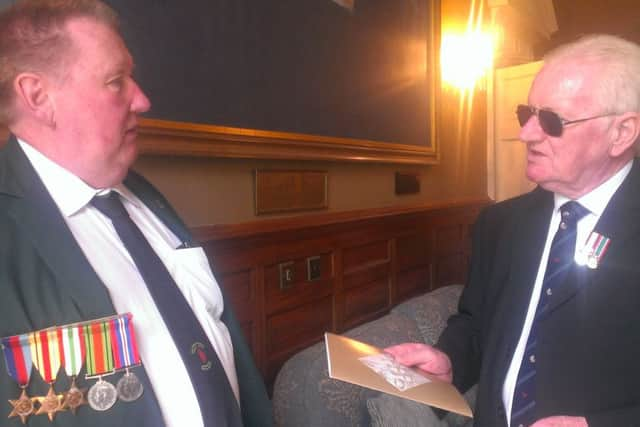
The service on Thursday included British military veterans from Northern Ireland.
Alan Hill, a Belfast ex UDR soldier who travelled to Dublin for the event, said: “It was very respectful, it went very well. I thought it was nice to see – the soldiers who died were recognised for their sacrifice.”
David Forsyth from Newtownards, ex Royal Artillery, said: “What I got out of it was if our politicians and our people did exactly the same thing, it would be more peaceful – there is too much bickering going on.”
Kingsley Donaldson, a former army officer whose brother Jeffrey is the DUP MP, said: “I felt very proud to be able to be present at an event where we honoured the service and sacrifice of British army sodliers who were killed during the Easter rising.
“That the government of the Republic of Ireland showed the maturity in being able to host such an event is welcome.”
He added: “There is much that we can learn from these things and what we do around centenaries from the Somme, of Messines and other events like that and I hope that we are able to produce similar levels of dignity when we do those kind of events.”
Charlie Flanagan, Dublin’s foreign minister, said at the service: “In the century since the events of 1916 we have learned, through painful experience, the importance of mutual respect for the different traditions and multiple narratives across these islands.”