
Stormont departments investigated over sewage discharges into Belfast Lough
Two Stormont departments are to face an investigation over the regulation of sewage discharges into Belfast Lough.
The Office for Environmental Protection (OEP) has announced the probe into the Department for Infrastructure (DfI) and the Department of Agriculture, Environment and Rural Affairs (Daera), as well as the the Utility Regulator.
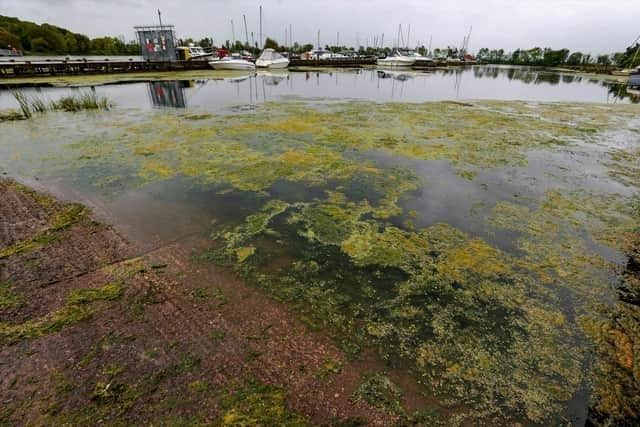

The OEP said the investigation will determine whether the authorities have failed to comply with environmental law in their duties of regulating how untreated wastewater, including raw sewage, is discharged into the lough and its surrounding rivers.
Natalie Prosser, OEP chief executive, said: “Water is such a precious resource. The quality of our water is one of the most pressing environmental challenges we face.
“Nature is under unsustainable pressure in Northern Ireland, and one of the biggest issues is how wastewater is managed.”
She added: “We’ll be looking at whether the Utility Regulator and DfI have met their duties to take necessary enforcement action, where Northern Ireland (NI) Water may not be fulfilling their own responsibilities for sewage discharges.
“For Daera, we’ll examine whether it has set and updated the conditions that allow sewage overflows to spill in line with legal standards.”
The OEP said the investigation will examine the regulation of discharges of untreated sewage from wastewater treatment works and combined sewer overflows.
Ms Prosser said: “Although our investigation will focus on Belfast Lough, we know similar wastewater and sewage issues exist at other rivers and lakes.
“Our interest is in driving improvement across the wider regulatory system.
“What we find in this investigation will be relevant across Northern Ireland.”
The OEP has previously reported into the causes of Northern Ireland’s nature loss last year when it found that agriculture and wastewater are the two largest contributors to water pollution, thanks to excess nutrients from fertilisers, animal waste and sewage.
Excess nutrients are believed to be a major cause of the blue green algal blooms that have blighted Lough Neagh in recent years.
Ms Prosser said: “We have been clear that nutrient pollution from both agricultural and wastewater sources need to be tackled to better protect and improve the water in lakes and rivers.
“This is a complex problem with no quick fixes, but our investigation will contribute to the work already under way in this area, so government and other decision makers can be targeted and effective in driving much-needed improvements in water quality.”
The OEP has the power to take court action if no agreement is found to resolve issues identified in its investigation.
Daera minister Andrew Muir said the investigation was not unexpected.
He said: “I have previously warned of the immense and unsustainable pressure being put on Belfast Lough as a result of decades of pollution.”
He added: “Belfast Lough is much loved by the communities who live beside it and is an essential habitat for local wildlife. Significant and sustained action is needed to reverse the damage done and see necessary water quality improvement.
“As minister, I have prioritised stronger regulation and enforcement. Plans are being finalised to identify the Inner Belfast Lough Shellfish Water Protected Area as a sensitive area requiring additional wastewater treatment.”
A DfI spokesperson said: “The department welcomes the Office for Environmental Protection’s (OEP) investigation into the regulation of sewage discharges into Belfast Lough.
“The department will fully co-operate with the investigation, consider the recommendations in due course and take forward any necessary actions.”