
Belfast parakeets: Council in talks with Stormont over handling 'invasive' tropical birds in Waterworks Park
Belfast Council is in talks with a Stormont department over what to do about a flock of parakeets that have made their home in a city park, as a leading conservationist called on them to round up the birds while they have the chance.
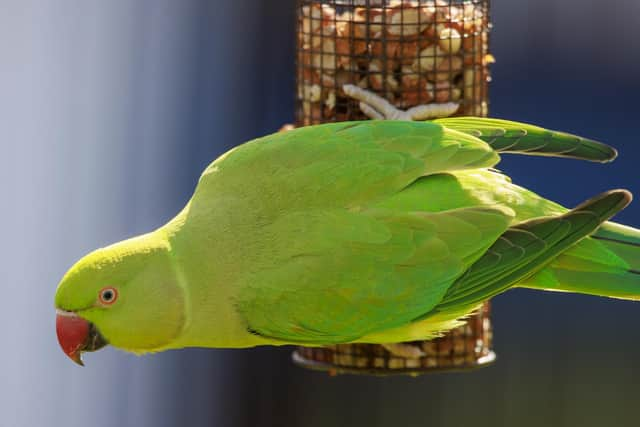
Photographers and families have been flocking to Waterworks Park in a bid to see one of the colourful tropical birds, but they’re so invasive and so hardy that Wild Belfast chair Conor McKinney warns they could quickly become a threat to native species – potentially even killing off Belfast’s beloved murmuration of starlings at Albert Bridge.
Parakeets aren’t normally found in Northern Ireland, and Mr McKinney said the 18 reportedly making their homes in the Cavehill area need to be rounded up before they harm native birds, bats and agriculture.
“A lot of people are celebrating the novelty of this,” he told the News Letter, “but ecologically, that’s not the full story.

“It’s not often we have the chance to do something about a high-impact invasive species right at the start; here we do, for now they’re limited to one spot – but things could be very different in even the short to medium term if we don’t take action.”
The city council said it’s currently consulting with Stormont’s Department of Agriculture, the Environment and Rural Affairs (Daera) on what to do about the situation.
A spokeswoman told the News Letter the local authority is “aware of [the] concern and seeking advice from the relevant government department” – the latter being Daera.
A spokeswoman for the department confirmed the officials are in contact with the council, adding they’re “assessing options for further action”.
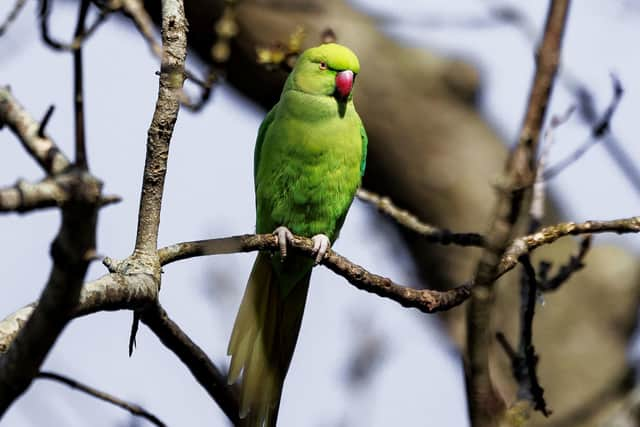
Although sometimes found in areas in the south-east of England, especially around London where populations of the birds have become naturalised, ring-necked parakeets are originally from the Indian subcontinent.
Surprisingly hardy, the colourful birds are able to survive in temperatures far outside those of their home habitat – and as a popular pet species, escaped birds have colonised a number of cities around the world, including many in Northern Europe.
No wild flocks are known to live in Northern Ireland, however, leading conservationist Mr McKinney to call on local authorities to capture them.
“We do have to take action, but there seems to be a lethargy [from the authorities] so far,” he said, adding that parakeets are considered to be up with the infamous likes of Japanese Knotweed in terms of invasive species that are enormously difficult to tackle.
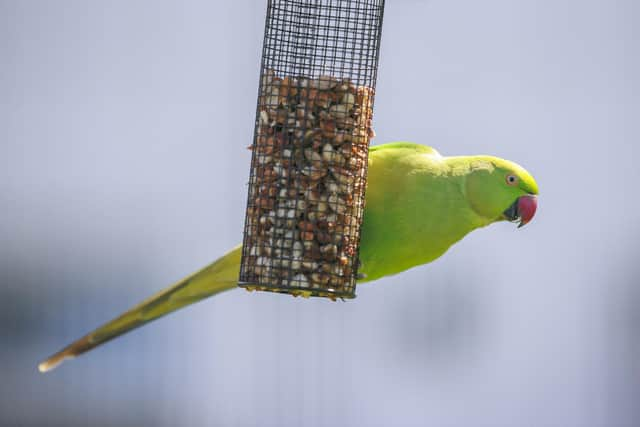
He added: “Parakeets have the ability to out-compete native cavity nesting species such as sparrows, in which we’ve already seen a 71% decline since 1970; starlings, which we have an affinity for in Belfast due to the murmuration on Albert Bridge, would also be badly affected.
“We call on [the authorities] to return the birds to captivity and negate any potential risks of further spread.”
The conservationist believes the Belfast parakeets are pet birds escaped from aviaries or domestic households, adding that he “doesn’t think it plausible” they’ve flown over from mainland Britain.
Although occasional wild parakeet sightings in England date back to the 19th century, their population exploded in suburban London in the final decades of the 20th century and can now be found in several other major British cities including Liverpool, Leeds and Glasgow.
Experts believe the increased popularity of parakeets as a pet in the latter half of the 20th century led to a spike in the number escaping from ordinary households, which proved able to survive and breed in suburban areas.