
Lough Neagh algae returns: No quick fixes, says Daera, as activists plan 'flood the streets' protest
Toxic pollution is already back in Lough Neagh, Stormont has confirmed, as environmental campaigners announced a “flood the streets” protest against the government’s handling of the crisis.
Four the past three summers, the UK’s biggest lake has hit international headlines due to the levels of blue-green algae found in its waters, with campaigners saying Lough Neagh is “dying before our eyes”.
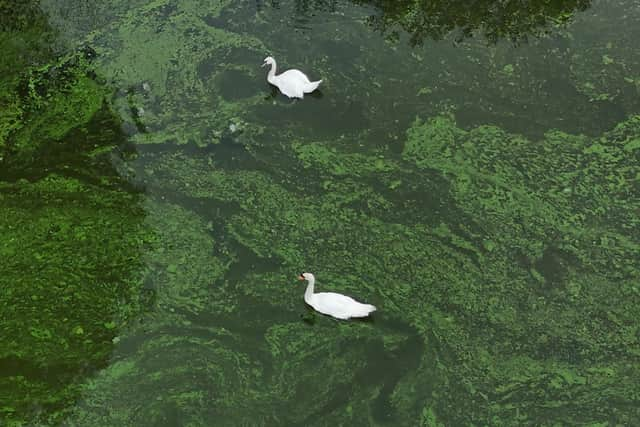

Today Stormont’s Department for Agriculture, the Environment and Rural Affairs (Daera) confirmed the pollution has returned, with a spokesman stating its presence is “sadly not surprising” while reinforcing minister Andrew Muir has stated there are no quick fixes for a problem “decades in the making”.
Said the spokesman: “Restoring and protecting the ecological health of the lough is possible by respecting the science and supporting the difficult decisions needed.
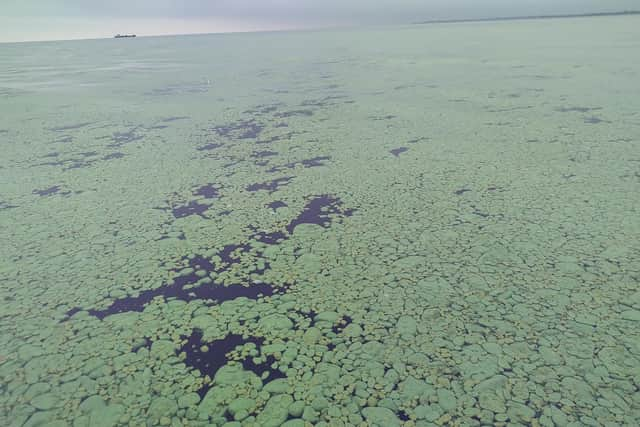
“The severity and scale of the problem this summer will depend on a number of factors including climate.
"Progress is being made to implement the actions required in [Daera’s] Lough Neagh Action Plan, with 20 implemented to date and a resolute focus from the minister on full implementation of the plan, together with all stakeholders.”
Activist group Save Lough Neagh has announced a protest march next month, walking a route of almost two miles to its Co Tyrone shore.
The campaigners are to call for “urgent environmental action and a drastic change of priorities on the government handling of the Lough Neagh crisis”.
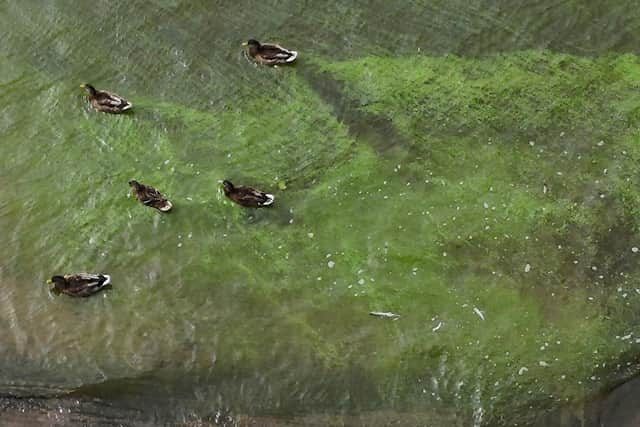
As algae was found for a fourth year in a row, the group said, the protest will “unite families, swimmers, fishermen and more to walk for the rights of Lough Neagh and the right to clean water”.
Stated the activists: “Presently, Lough Neagh is experiencing a collapse of biodiversity and extreme eutrophication, leading to spells where the lough is coated in thick algal blooms with dead animals washing up along the shores.
“In February 2026, some signs of toxic algae appeared in spots around the shore, earlier than previous years.”
The march is planned for May 17, which the group said will mark the anniversary of a 1986 protest against the idea of mining coal in the area.
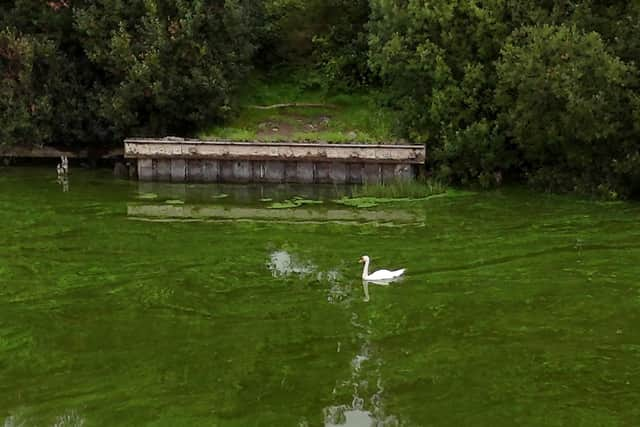
Backing the march, Lough Neagh fisherman Declan Coney said: “I was there at the very first rally in 1986 where 3,000 people marched – fishing families, farming families, local communities – all came to say ‘No, enough is enough to [the era’s mining plans], and to any exploitation of the lough at all’.
“For the 40th anniversary, we at least owe everybody who came down that path a gratitude of thanks. Our government has let us down constantly. Talk is cheap, time for action now.”
In 2023, the lough – which provides 40% of Northern Ireland’s drinking water – turned green as levels of noxious algae not seen since the 1970s choked aquatic life, and bird and insect populations plummeted.
Thought to be driven by fertiliser, slurry and other runoff from nearby farmland increasing bacteria levels in the lough, despite a national outcry over the incident the algae returned in 2024, then again in 2025 and is now back once more.
Pollution levels have been so bad the lough has repeatedly reached the point of being actively dangerous to wildlife and potentially even humans.