
Lough Neagh pollution: £920k probe to find 'clear scientific evidence' of bacteria's make-up as bid to restore water continues
A £920k project is to find ‘clear scientific evidence’ of the exact make-up of Lough Neagh pollution, as bids to restore its waters continue.
Infamously, the UK’s largest lake has been repeatedly hit by blue-green algae in recent years – a situation described as a “freshwater emergency” posing a threat to wildlife, the environment and even human health.
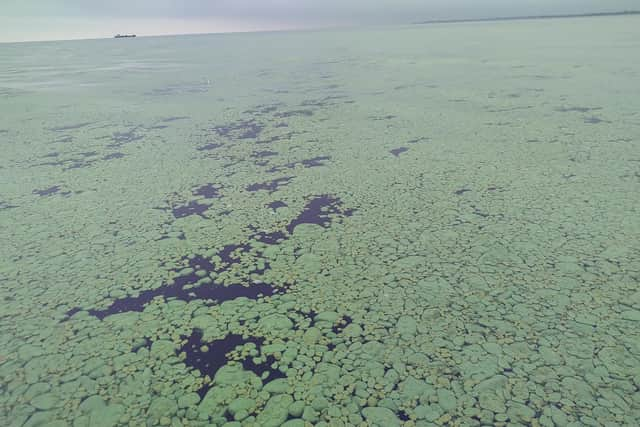

Now experts from a leading UK research institute are to probe the pollution for 18 months, sifting through what the project’s head scientist described as a “complex mix of microbes and chemicals” so they know exactly what they’re up against.
Said Dr Susheel Bhanu Busi of the UK Centre for Ecology and Hydrology: “Traditional monitoring approaches have been unable to fully resolve how human, agricultural and wildlife sources can cause microbial contamination or capture the dynamics of antimicrobial resistance that can pose risks to ecosystems, livestock and human health.
“We need to use source-tracking methods including environmental DNA to address these gaps in knowledge so that we can identify, quantify, and trace pollution pathways from the land to the lake, and understand their impacts.
“DNA-based methods offer a sensitive way of diagnosing and managing environmental issues at Lough Neagh. They will provide us with the robust data that we need to guide restoration and support evidence-based management of the lake’s recovery.”
Among the state-of-the-art technology available to the team are underwater drones that can collect samples in areas that are difficult or unsafe to access.
The probe gets under way next month, jointly funded by the UK-wide Natural Environment Research Council and Stormont’s Department of Agriculture, Environment and Rural Affairs.