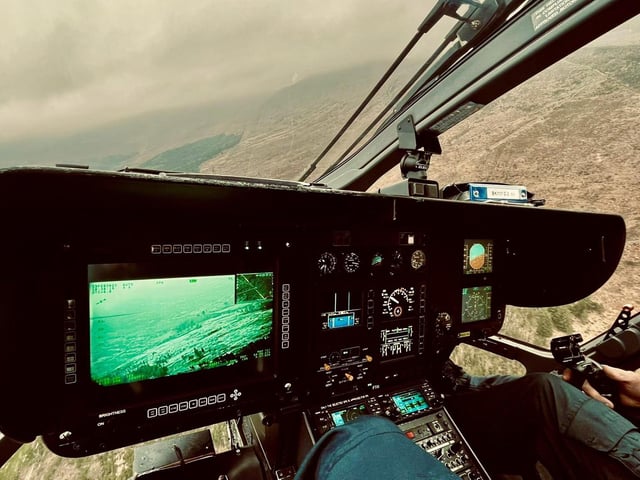
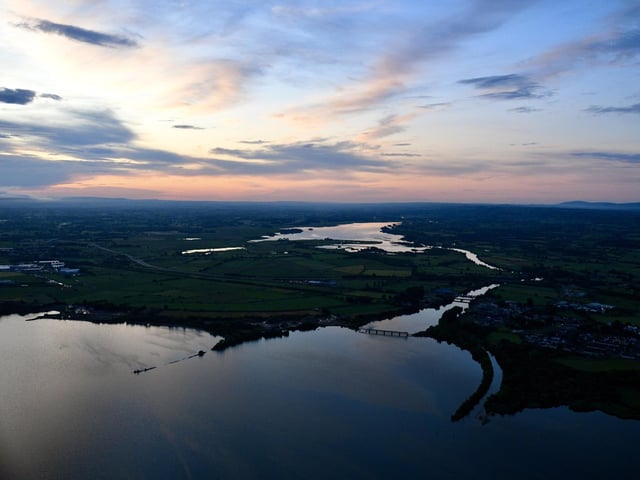
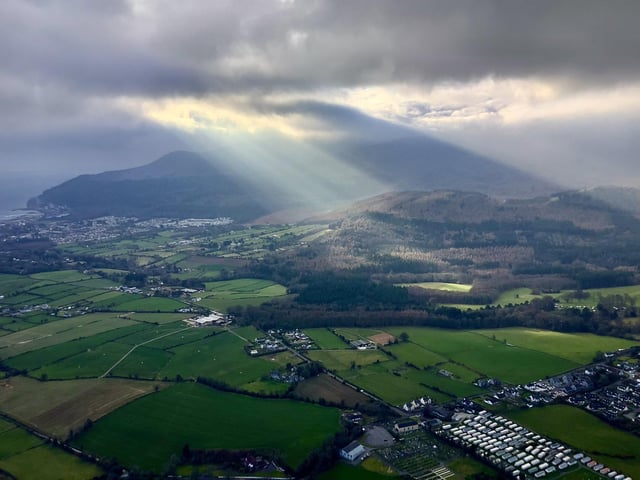
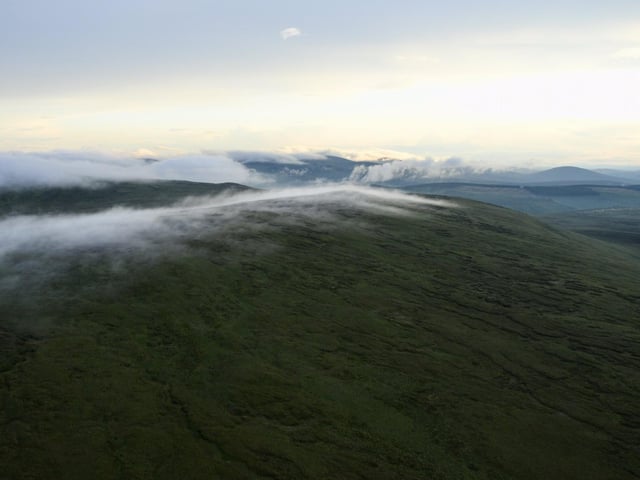
The PSNI’s Air Support Unit has for the last couple of years been snapping Northern Ireland’s sights from a dizzying height and posting the images on its Twitter feed – @PSNIAirSupport – where it has about 11,500 followers.
From glowing cityscapes to the Mournes and the lowlands of Fermanagh, the News Letter has compiled video / picture collection of some of their best work (make sure your playback quality is set to hi-def when watching the video above to truly appreciate the snaps).
But what’s it like to work at such a height?
The News Letter has asked the unit’s crew members about the job.
Q: When did the PSNI get a helicopter, and how often does it actually fly?
A: "The Air Support Unit helicopter arrived in 2005 and was in such demand that more aircraft were needed to meet the policing demand. The unit works all year round, seven days a week.”
Q: What are most of the calls that make up your work?
A: “Working with all our PSNI colleagues, we deploy daily to meet their needs to keep people safe within our communities. This can include searches for missing and vulnerable persons as well as stolen vehicles or scramblers causing annoyance or a danger to the public and themselves.
“In addition to this, the Air Support Unit works regularly with other ‘Blue Light Partners’ meaning Northern Ireland Ambulance Service, the Coastguard and Northern Ireland Fire Service. We also deploy and work with other volunteer search and rescue organisations.
“Whilst the Northern Ireland Air Ambulance are the primary trauma response when an aviation asset is needed, we still remain as a support and back up asset should they not be available enabling rapid transport of seriously ill patients to hospital.”
Q: What height and speed do you normally fly at?
A: “We generally do not comment on specifics as heights and speeds vary for operational reasons.
“It is safe to say that the crew always considers the impact upon communities and endeavours to respond safely, quickly, effectively but with minimal disruption to the people we serve.”
Q: Are the crew on board actually police officers, or folks contracted to the police?
A: “PSNI officers and PSNI pilots make up the crew of whom all are highly trained and skilled in using the on-board systems to prevent and detect crime, find people or things of interest and deliver an effective police response.”
Q: What have been the most memorable call-outs for the crew, or the most spectacular sights they've witnessed?
A: “The main focus of the Air Support Unit [is on] the ultimate aim of keeping everyone safe.
“While out on this work, the team does appreciate the scenery over the north coast, the Mournes, and Sperrins as well as many towns and cities across Northern Ireland, which can look stunning from the air.
"The PSNI Air Support Unit Twitter page has proven very popular with regular images being posted of locations around Northern Ireland.
"Each officer or staff on board will have different memories of what left the biggest impact on them. It will be of no surprise that those calls in which we make a real difference in saving lives are high up there.
"Keeping people safe is something the ASU do, and do it with professionalism and pride.”