
Queen's study reveals impact of humble hoverfly on food we eat
The impact of the humble hoverfly on the food we eat has been revealed by new research lead by Queen’s University.
A hoverfly is a harmless insect belonging to the true fly family Syrphidae - their name inspired by their ability to stay still in mid-air - which pollinates many crops and wild plants, making an important contribution to food production and natural ecosystems.
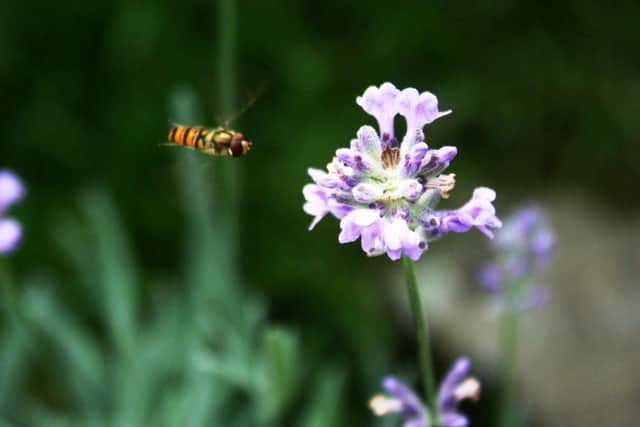

However, little is known about how their behaviour, while visiting a flower, determines how successfully that flower is pollinated.
A research team from Queen’s recorded marmalade hoverflies during single visits to strawberry flowers, then measured the weight and fertilised seed count of the resulting fruit to experimentally test how their behaviour affected pollination success.
Leading researcher PhD student Martha Fox said: “This research shows that the marmalade hoverfly is an important pollinator of strawberries and many other plants with similar flowers, including valuable crops such as apples and a wide variety of wildflowers that support biodiversity in natural ecosystems.
“Importantly, we show that their behaviour during a flower visit is the driver of their pollination efficiency and this explains why these insects are excellent pollinators despite lacking specialised features, like pollen baskets in bees.”
The findings underscore the vital role these insects play in supporting food security, especially considering their abundance and wide distribution throughout the island of Ireland and Europe.
However, human-induced pressures, including pesticide exposure and climate change, pose significant threats to their populations and may alter their behaviour, with potentially detrimental effects on pollination services and food production.
Dr Isabella Capellini who was also involved in the research, added: “The study has high scientific value as it shows for the first time what insects do to pollinate flowers, something that has been very understudied.
“Using strawberries as a model crop, this study demonstrates the relevance of pollinator behaviour to food production and food security, particularly as environmental pressures such as temperature change and pollution continue to affect pollinator performance.”
These findings challenge the idea that hoverflies only make an important contribution to pollination when they occur in large numbers.