
Ben Lowry: I fear that the Brighton bomb weakened Margaret Thatcher’s resolve over Northern Ireland
We report today on the 40th anniversary of the Brighton bomb.
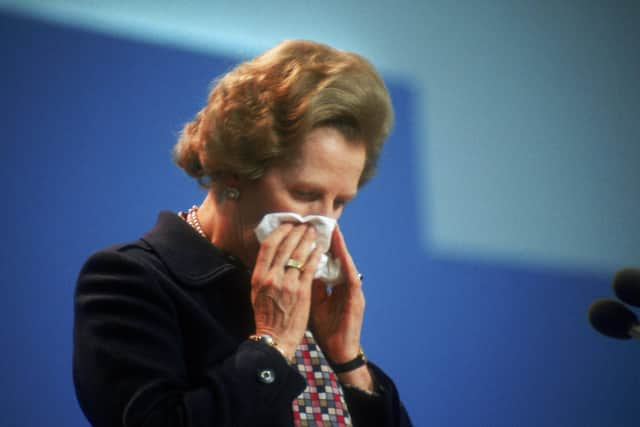

The IRA’s main target, Margaret Thatcher, emerged from the 3am explosion to tell TV crews that her speech at the Tory conference that morning would go ahead as planned.
It did, and she arrived to an ovation. I remember reading the then Labour Party leader Neil Kinnock’s message saying she was right to continue as normal, saying that to do otherwise would be a victory for “murdering madness” over democracy.
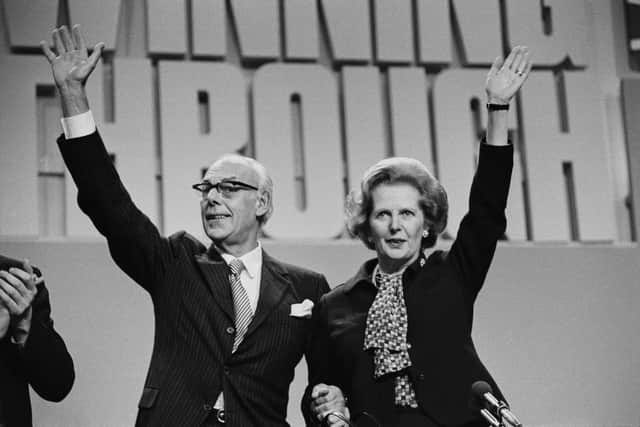
This message of solidarity came at a time when Labour’s contempt for Mrs Thatcher was deep, during the year-long miner's strike, which she saw off. I have written before about how in 1985 she also saw off all her cabinet colleagues when she refused to join the European Exchange Rate Mechanism (her opposition was later justified). Few men would resist such a powerful consensus.
But even great leaders are prone to nervous exhaustion. Mrs Thatcher was pushed into the dreadful Anglo-Irish Agreement a year later by officials who were naive or inclined towards surrender. One of them, David Goodall, wrote an account of it, which I had to pause reading it riled so much. In autumn 1984 Mrs T said Out-Out-Out to Irish plans to end or dilute UK sovereignty here.
Thirteen months later in Nov 1985 she signed the AIA, which she later regretted. I have long suspected that the bomb for a while weakened her resolve.
• Ben Lowry (@BenLowry2) is News Letter editor