
Jackie McGregor: 'Step away from the bathroom’ - the quiet power of a clean house (for now)
My face was puce, sweat glistened on my brow. With my joggers pulled up around my knees, bare footed and mop in hand, I was in pirate-mode, swabbing the decks.
Standing back, I surveyed my handiwork. I’d scrubbed my bathroom to within an inch of its life. It sparkled; you could eat your dinner off the floor. I let out a self-satisfied sigh. The room smelt citrussy fresh - heaven!
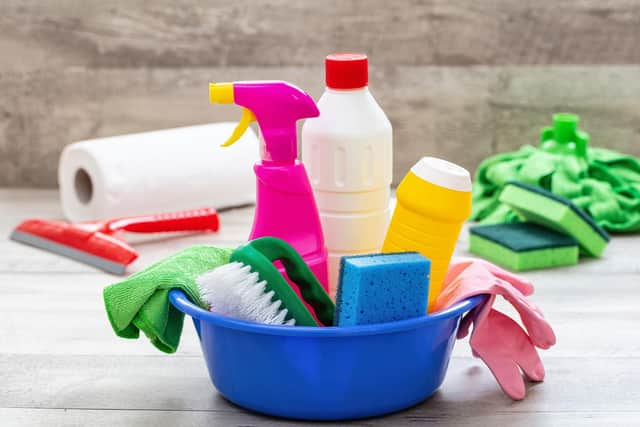

“Can I just use the bathroom, Mum?” my son asked, attempting to squeeze past me. I blocked the door with my mop,
“Certainly not!” I snapped. “Use downstairs, in fact, don’t, I just cleaned that too, ask next door.”
I dreaded the thought of my hard work being decimated.
“What?” wailed junior in disbelief.
“Oh, all right, use it,” I huffed.
When I clean, I’d like to be able to ban my family from using any of the rooms in the house for at least a week, to allow me time to enjoy that just cleaned freshness.
Though ten minutes after they enter our newly scrubbed home it inevitably looks like a crime scene.
I had begun to Spring clean. I ached to bring order to my environment. I wanted to banish the persistent tinsel remnants and move on from Christmas.
Psychology suggests the act of cleaning is about much more than hygiene, it’s a way for us to manage our emotions and stress.
When someone is clearing up their home, they’re also clearing up their mind.
Cleaning keeps the body occupied while the mind processes emotions and thoughts in the background.
It also provides a sense of accomplishment, giving the brain a boost of feel-good hormones when tasks are completed.
Research from The Cost of the Troubles Study (1996-1999), revealed women in conflict areas used domestic routines like cleaning, to assert control over their environment during the Troubles.
Women (homemakers were mostly female then) had no control over a bomb going off, but they could keep the house in order, laundry done and meals on the table on time, creating a sense of “normality” for their families.
It signalled to children that all was well at home even if there were bombs on the streets.
Their quiet work was a loud statement of resistance; a fragile shield raised behind their front door.
My mother did this diligently for us when I was growing up in the Troubles. If I was caught in a bomb scare coming home from school entering home felt like sanctuary.
Women acted as emotional shock absorbers for their families, hiding their own fear and preserving a sense of routine amid the turmoil outside. Refusing to let the Troubles disrupt home life was a woman’s small, daily act of defiance.
We’re not just shifting dirt when we clean, we’re ruling our own little world and creating a soft place for our families to land.
I told my son he’d have to pull his weight around the house and to pick chores he could carry out.
He chose hoovering and putting out the bins, “And cleaning the mirrors, I could really see myself doing that!” he joked.
I rolled my eyes and gave up silent thanks that his normality at home wasn’t a façade I was trying to maintain, but a reality against a backdrop of peace.