
Louise Taylor: Promoting Lough Neagh as an eco-tourist destination and a peace park will potentially ensure that it is economically sustainable
The surface area of Lough Neagh is larger than Malta and it is the biggest shared ecological commons in Ireland and the United Kingdom.
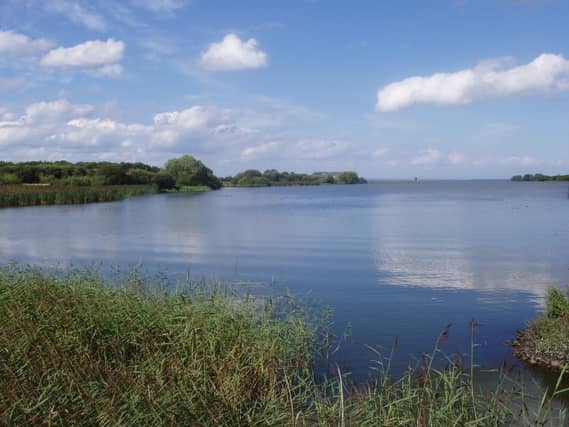

The shoreline is 125km, and it can hold 800 billion gallons of water. It is bordered by five of the six counties in Northern Ireland, and it is 25km long and 15km wide – it is huge, it is impressive, and it has enormous potential in terms of eco-tourism and sustainable development.
The lough is a designated Ramsar site and Area of Special Scientific Interest because of the variety of wildlife it homes, permanently and temporarily. It is a haven for many species of flora, and fauna. Recently, it has received widespread media attention for the wrong reasons. Last summer it was reported to be ‘dying in plain sight’ due to the prevalence of highly toxic blue-green algae blooms.
All of us who know Lough Neagh and are connected to it know that it is a beauty, a gem, the heart of our waterways, and arguably the heart of the North. Yet, rather inexplicably, it can be difficult to access, there are few long walks around the shoreline and there is limited public transport for tourists and locals, boats or buses.
This lack of access and connection opportunities will invariably impact the likelihood that people will make efforts to protect the vast water source and nature space.
I think it is now time that we all protect this sacred ecological site and one of the best ways I think we can do this is by encouraging environmental tourism and designating the lough as Northern Ireland’s first peace park. Promoting Lough Neagh as an eco-tourist destination and a peace park will potentially ensure that it is economically sustainable and help to protect it from pollution.
Peace park status would help people connect with the wildlife and fully experience the beauty and serenity so many of us love about spending time with freshwater lake.
In my opinion, Lough Neagh could be as popular as places like Lake Windermere (England), Lake Tahoe (United States), or Lake Garda (Italy). There is arguably a lack of investment, enthusiasm, and imagination when it comes to the lough as a tourist location.
The Wild Atlantic Way is an excellent example of how branding and marketing can be transformative to these natural spaces. Investment and some effective political planning could drive up tourism and in turn support local communities, businesses, and the economy. What is there to lose? The lough as the Heart of the North makes sense to me and is appealing.
I spend many days traveling to spots around the lough to take photos and watch the water and the wildlife. I founded Love Our Lough to share that pleasure with others and I delight in putting together social media posts and events celebrating this space.
I get so much from spending time with the lough and doing this work. Mostly peace, pleasure and tranquillity, all of which are priceless to me and my life.
I know in my work as an ecotherapist and researcher that spending time by large bodies of water is good for our health. I know that spending time in nature is good for my mental health, but it goes deeper than that for many of us who are connected to Lough Neagh, I know she is good for my soul too.
In a report written recently on the personal and emotional experiences of Lough Neagh, many of those interviewed concurred with those sentiments. The relationship was not just personal, financial or business-motivated for many, but there was also a spiritual and psychological connection and an inability to accurately articulate and account for that affection and warmth.
I get such joy watching the birds and regularly see fish and marine life splashing and darting below the surface of the lough. I know the iconic eel industry has suffered, but I also know there is still much life in the lough, above and below the waterline. I am not alone too; the locals get it.
At Ballyronan beach by the marina, I see flocks of black-headed gulls and eager ducks being fed by young and old and while the reports continue to grab headlines, many of us are still getting great comfort, calm and joy from being near her and all the animals that live on or around the lough.
There is so much to do around the lough and, in terms of wildlife, Lough Neagh is arguably the most precious resource we have and should be on every bird watcher's bucket list. The algae is not the lough, the algae is a sign we collectively need to do more to protect the lough.
To know the lough is to love the lough, that is why we need to encourage more people to get to know her, because once you give her your heart, you’ll never get it back.
Dr Louise Taylor is founder of Love Our Lough