
Neil Reid: Nutrient pollution, climate change and zebra mussels have combined to create a 'perfect storm' that has turned Lough Neagh into a sewer
Each summer since 2023, Lough Neagh has turned a stagnant, unnatural blue-green. Once a treasured source of drinking water, fisheries and recreation, it is now an open sewer and a symbol of environmental failure.
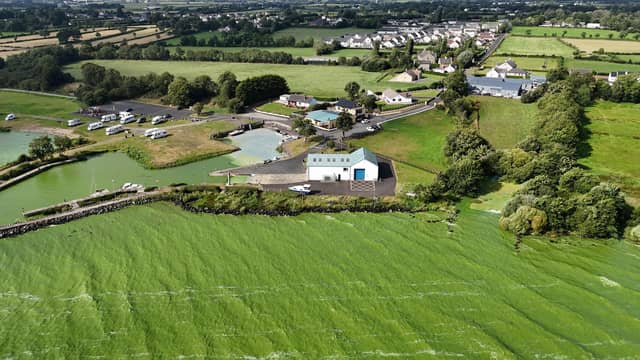

Vast blooms of toxic blue-green algae again smothered the surface this year, driving away swimmers and anglers, forcing businesses to close, and raising fears for human and animal health.
On the balance of probabilities, the dominant driver is nutrient pollution - above all, phosphorus. The Department of Agriculture, Environment and Rural Affairs (DAERA) estimates that 62% of phosphorus entering the lough comes from agriculture.
Overuse of fertiliser and slurry is the chief source, with run-off washing into rivers during rain. Many farmyards lack proper slurry storage, leading to overspreading, while spreading before rainfall, ploughing on slopes and poor wastewater management compound the problem.
The landscape itself no longer offers protection. Natural defences such as vegetated riverbanks, woodlands and wetlands have been stripped away, leaving little to filter pollution before it reaches the water.
The second-largest source is human effluent wastewater, accounting for 24% of phosphorus. Treatment plants discharge nutrient-rich water into rivers, especially during heavy rain when storage capacity is exceeded.
In rural areas, leaking septic tanks add a further 12%. Other sources, such as household detergents, are trivial by comparison.
Two other forces are making matters worse. Lough Neagh is now more than 1C warmer than a few decades ago, creating more favourable growing conditions for algae.
More frequent heavy downpours after dry spells flush nutrients into the system in concentrated bursts.
Meanwhile, a non-native invasive species from south-east Europe and Asia - the zebra mussel - has transformed the ecosystem. By filtering out harmless green algae, the lake’s water becomes crystal clear in spring, allowing more light to penetrate, giving toxic cyanobacteria, the cause of the blue-green algae, the upper
hand.
The combination of excess nutrients, climate change and zebra mussels have created a ‘perfect storm’.
Unlike nutrients, there is little that can be done locally to reverse climate change or remove invasive mussels. That leaves one course of action: cutting phosphorus pollution.
In 2012, the Northern Ireland Executive launched Going for Growth, a strategy to expand food exports by ramping up meat and dairy production.
Farmers expanded herds, imported more feed, and dramatically increased industrial chicken farming – all generating more animal waste.
Northern Ireland, with just 1.9 million people, now produces enough food to feed over 10 million. The cost is environmental: between 2012 and 2022, phosphorus levels in rivers rose by 55%. Going for Growth turbocharged pollution and reversed earlier gains made under the European Water Framework Directive.
The consequences are stark.
Lough Neagh provides drinking water to 40% of Northern Ireland. Today it is choked with foul-smelling algae producing dangerous toxins accompanied by unpleasant bacteria such as E coli - resulting in high costs of drinking water treatment.
Pets have died, tourism and recreation businesses have shut, the eel fishery has collapsed, and the lake’s internationally important bird and fish populations are in decline.
Fixing Lough Neagh will take decades. It will require cutting farm runoff, upgrading wastewater infrastructure and restoring river corridors, woodlands and wetlands.
But unless government policy balances farm productivity with environmental protection, the toxic blooms will keep returning each summer.
l Dr Neil Reid is reader in conservation biology at Queen’s University Belfast