
Phelim McAleer: Arson and bureaucratic blunders, not climate change, caused Palisades inferno - to ignore this is irresponsible
Los Angeles has had a very wet and cold Christmas and the prediction is that there will be more rain and low temperatures in the New Year.
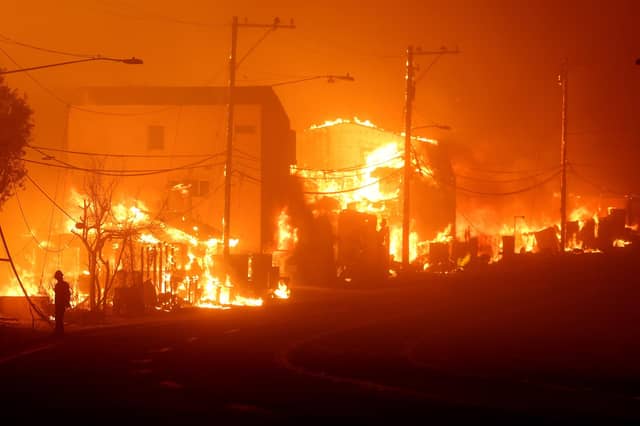

This weather is unusual for southern California. It is all the more poignant when you consider that the one-year anniversary of the devastating Palisades fire approaches. We would have loved a tiny bit of rain then.
It was a truly devastating and destructive fire that claimed 12 lives, and caused tens of billions of dollars in damages. Thousands of homes and businesses in one of LA’s oldest areas were destroyed.
Recently a new report from Christian Aid has reignited the pain by attributing the catastrophe to climate change – conveniently overlooking the human elements of arson and bureaucratic blunders that literally turned a spark into an inferno.
In its annual tally of global disasters, Christian Aid lists the Palisades (and nearby Eaton) wildfires among the top climate-fuelled events of 2025, estimating damages at over $60 billion. The charity's narrative is clear: rising temperatures and prolonged droughts are supercharging wildfires, demanding urgent action on emissions. This selective storytelling erases critical facts, shielding evil arsonists and institutions from scrutiny while advancing a politicised agenda.
The uncomfortable reality? The Palisades fire didn't erupt from the ether of a warming planet – it was deliberately set. In October, federal prosecutors charged 29-year-old Jonathan Rinderknecht with arson for igniting a brush fire in Pacific Palisades that was wrongly thought to be extinguished but then smouldered and five days later exploded into the deadly fire that caused so much destruction. Described in court as a potential serial arsonist, Rinderknecht remains jailed without bail. His trial is due to start in April and he is of course innocent until proven guilty. However we may not know for definite who started the fire but it is clear that it was started by someone on January 2. Human malice, not meteorological misfortune, lit the match.
Christian Aid's report barely nods to this, bundling the fire into "climate-linked" calamities without mentioning arson. Why the omission? Admitting a criminal's role complicates the call for carbon taxes and green transitions. In California, where over 90% of wildfires are human-caused – through negligence, electrical equipment, or intent – blaming the climate exclusively is not just incomplete; it's irresponsible. It diverts resources from prevention, like bolstering mental health services or arson patrols, toward abstract global pacts.
Worse still, the fire's escalation owes much to the Los Angeles Fire Department's (LAFD) alleged egregious mishandling, exposed recently in a scathing report by the LA Times newspaper. According to the paper the fire department's after-action report, which is meant to highlight failures so lessons can be learned, was neutered across seven drafts to protect those who failed. Initial versions of the report lambasted the LAFD leadership for allegedly flouting protocols during red-flag alerts and failing to pre-deploy full crews despite dire wind forecasts. That criticism? Diluted to vague commendations for units that "went above and beyond the standard pre-deployment matrix."
Key details were scrubbed as the drafts worked their way through the city bureaucracy. There supposedly were crews idling for over an hour awaiting orders on the fire's outbreak day; the word "failures" was removed and described as "primary challenges"; and breaches of national safety guidelines to avert fatalities were entirely excised from the final report.
At the heart of the debacle lies the Lachman fire, a precursor blaze on January 2 that firefighters were commanded to abandon despite warnings of smouldering ground and hot rocks. An LAFD captain later reported it "started up again", fuelling the Palisades monster. This episode was initially omitted from the report, then tepidly reinstated.
This disaster isn't isolated; it's symptomatic of deeper issues, including the prioritisation of diversity, equity, and inclusion (DEI) mandates in hiring and operations. Under progressive policies, LAFD has emphasised representation, potentially diluting expertise in a life-or-death profession. "Diversity is our strength," they say.
Perhaps a fire department staffed on merit not identity might have heeded warnings, fully mobilised, and snuffed out the threat early, sparing lives and homes.
As the anniversary nears, the Palisades fire demands a reckoning beyond climate rhetoric. Fixating on climate hysteria while ignoring arsonists and inept responders perpetuates tragedy. Christian Aid's report, by sidelining these factors, does a disservice to victims and science alike.
l Phelim McAleer is a Tyrone-born journalist/producer living in LA