
Phelim McAleer: Costly union rules and woke agendas are helping to kill off LA’s film industry
Last week, an old friend invited me to lunch. It was a voice from the past. He worked on a documentary I produced 15 years ago when I first moved to Los Angeles.

He had since joined a Hollywood A-listers team, and we had occasionally kept in touch. The invitation sounded worried. Over lunch it became clear why.
He hadn’t worked in six months, his savings were gone and he was barely surviving in one of America’s costliest cities.
His story reflects Los Angeles’ collapse from entertainment Mecca to production ghost town.
Once a beacon for dreamers, LA is now a crime-ridden, progressive mausoleum to past glories, where studio tours rarely interrupt active sets.
Author and Hollywood screenwriter F Scott Fitzgerald apparently said bankruptcy happens gradually and then very suddenly. Hollywood’s decline has followed a similar path.
The sudden recent decline was kickstarted by the end of the streaming content boom and the after effects of the victory of the 2023 writers’ and actors’ strikes.
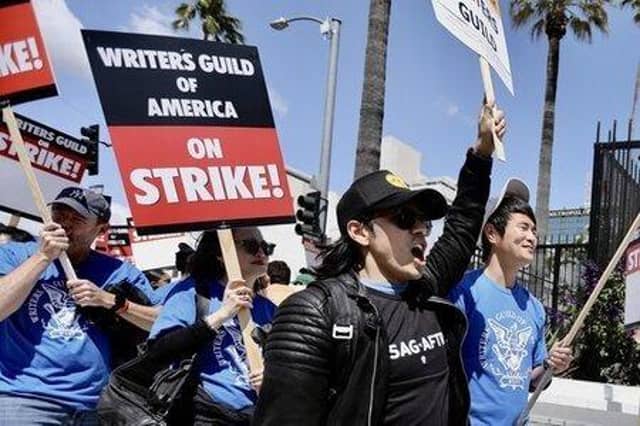
The strikes were sold as a noble fight against studio greed. Picket lines demanded fair pay, residuals, and AI protections, framed as artists versus “The Man”.
But it wasn’t a Hollywood underdog story. Union writers earned a median $250,000 yearly, far above the national household average of $74,000.
Unionised SAG-AFTRA actors, even in minor roles, banked six figures per season for TV shows. These were privileged pros chasing bigger paydays, not survival.
The ‘unionized little guy’ tale was Hollywood’s slickest fiction.
The strikes, by the actors and writers, forced many, lower paid, below the line workers such as electricians, carpenters and makeup artists out of the industry. The union's "victorious settlement” sped up the decimation.
New contracts, with higher wages and residuals, bloated budgets, driving studios to cheaper locales. TV shoot days have dropped by almost 60 per cent in the city.
Georgia’s 30% tax credits, Canada’s lower wages, and Eastern Europe’s (non union) flexibility has lured projects. In 2024, LA’s film and TV jobs fell 18%, while Atlanta’s soared. The strikes, sold as a win, fuelled Hollywood’s flight.
The economics of the industry were changing and the strikers refused to see it. Streaming companies have cut back and are paying just over the budget for content and they want those budgets reduced.
They don't care where you film. And the days of the big box office returns are rapidly disappearing.
Union rules strangle what's left of the industry in Los Angeles. The union that represents film crew (IATSE) mandates minimum crew sizes, steep overtime, and meal penalties – a late lunch costs thousands.
Roles are siloed: a grip can’t touch a light, a carpenter can’t move a prop. A lean shoot elsewhere needs 20 crew; LA demands 40, spiking costs 20-30%.
Ireland may be one of the most expensive countries in Europe but many American game shows are now filmed there. It’s cheaper to fly hundreds of contestants from middle America to Ireland and book expensive Dublin hotels than navigate LA’s expensive union rules.
But it's not just the unions that have caused the decline. Studios have alienated viewers with woke agendas.
Most audiences want escapism, not sermons, yet films push divisive themes – like celebrating transgender surgeries for kids - over providing entertainment. A 2024 poll showed 68% skip “too woke” content, sinking revenue.
When viewers flee to YouTube or Tik Tok for their fun, budgets shrink, and LA’s pipeline dries up.
The city bureaucracy doesn’t help. Crime and homeless encampments are tolerated, even encouraged.
Last time we filmed in the city we found FilmLA, which issues permits that won't allow you to pay by credit card, forcing us to go to the office to deliver a cheque.
Toronto offers digital permits, welcoming filmmakers. FilmLA’s nonsense saw applications drop 25% in 2024, as producers chose easier hubs.
LA’s dream has soured. Once, starry-eyed hopefuls flocked here; now, like many progressive coastal cities in America it’s a crime-tolerant mess.
The few tourists that come can still tour Warner Bros or Universal studios, but you’ll see little active production – just echoes of glory days.
Talent flees, too.
Unions claim they protect jobs, but their rigidity kills them. Strike gains – residuals, AI clauses – mean little when projects vanish.
The Hollywood fantasy of being well paid with lots of perks has hit the reality of tens of thousands of unemployed and broke workers wondering how they are going to survive.
And this time there is no Hollywood happy ending.
l Phelim McAleer is a Tyrone-born journalist/producer who lives in Los Angeles. @phelimmcaleer