
Roamer: Potato juice for chilblains and pork lard for beautiful skin
Down the years readers shared numerous remedies here for most everyday pains and ailments, and as Roamer currently has a very nasty debilitating cold, here’s a quick recall of some of the prescriptions.
Please don’t try these at home! James Bigglesworth, nicknamed Biggles, was author Captain W.E. Johns’ fictional fighter pilot in around 100 action-packed boys’ books published from 1932 to 1968.
A Biggles-fan told us about his hero’s cure for a sore throat - “drink a pint of aviation fuel daily for a week and then apply a lighted match to the tonsils!”
Another reader’s sore throat cure was “holding a gander’s head in your mouth” and a remedy for chilblains was offered - “bathe your feet in the cooled-down water from a pot of boiled potatoes.”

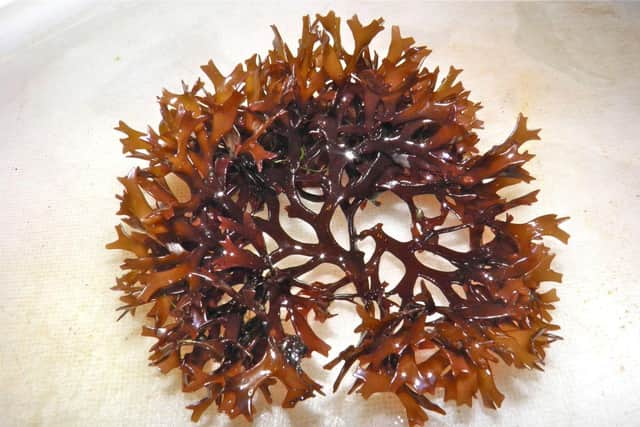
Aside from the archetypal hot toddies, goose fat rubbed on the back and chest and carrageen moss (chondrus crispus) flavoured with lemon were also offered as traditional cold cures.
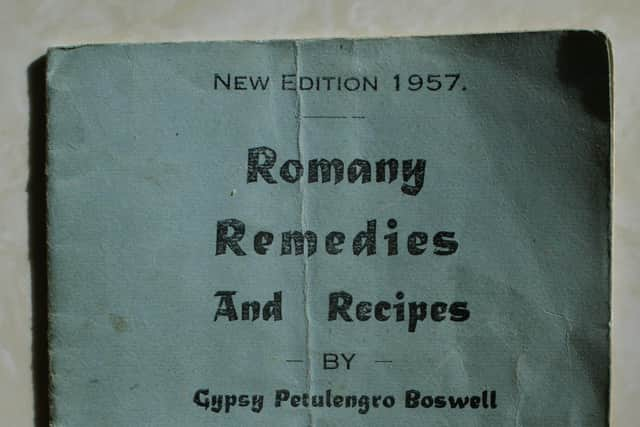
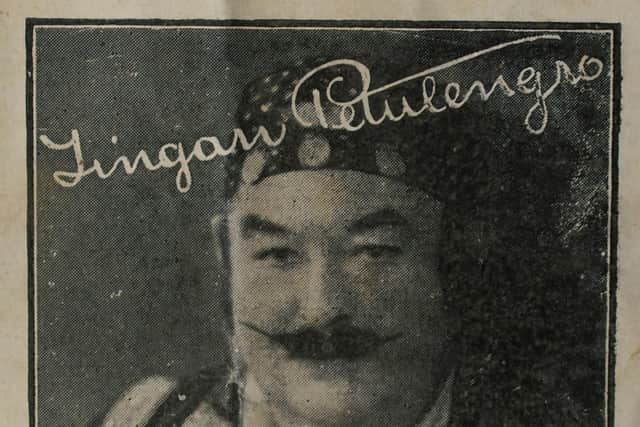
A reader shared an old booklet here about eight years ago called ‘Romany Remedies and Recipes’. Introducing himself as Gypsy Petulengro Boswell, the waxed-moustached author listed dozens of curious DIY treatments as well as beauty tips for women and “for the gents, old Romany rabbit-poaching tricks.”
Costing two shillings and sixpence in 1957 the 18-page booklet ended with a philosophical explanation of the seven cycles of life, the seventh being “when age creeps upon us and youth dies like the fairest flowers…we should retire to some remote spot with our mate and enjoy the bountiful things on earth.”
That seemed okay, except for the beleaguered bunnies who had to endure Petulengro’s “poaching tricks”. His plan for trapping rabbits began by mixing hot, spicy, cayenne pepper in water. Next he cut “coarse brown paper or old rough calico” into 12-inch by two-inch strips. “Steep in the cayenne solution, then thoroughly dry,” the booklet instructed.
The narrow strips were then rolled into slender tubes and placed in the rabbit’s “windward burrow… light the strips with a match,” Petulengro continued, “and close the hole with a sod of turf. Watch the bolt hole or place a net over it.”
In the unlikely event of the rabbit escaping and the poacher getting injured in the ensuing chase, the booklet offered an excellent “embrocation for sprains and bruises.”
The recipe included “half a pint of turpentine mixed with a quarter of a pint of methylated spirits” but strayed from the Molotov cocktail theme by adding the whites of two eggs along with half a pint of white vinegar “and two pennyworths of Opodeldoc from the chemist.”
Opodeldoc was advertised in The Times of London in 1790 where “the speed and effectiveness of this medicine has been universally acknowledged.” Petulengro advised - “mix and stand aside for two days, shaking the bottle occasionally.” (After applying the concoction to the sprain or bruise it was presumably a good idea to keep well clear of naked flames, fireworks or faulty electric wiring!)
Mr Boswell’s “gypsy beauty cream”, though less explosive than the prescription for sprains and bruises, evidently wasn’t intended for the nervous or faint-hearted. It was made of “pure pork lard” blended with “an ounce of red dock roots.” The addition of two ounces of elder tree flowers probably masked the aroma.
“Place the lard in an earthen jar,” Petulengro’s recipe specified, “cut up and add the dock root, also the elder tree flowers.” The mixture was to be “heated for an hour, strained, infused with cold cream, cooled and spread on the face.”
Another of his famous face creams was “Hotcha, or hedgehog lard” which he described as “a true remedy for the skin.” According to Petulengro “a table spoonful of burdock boiled in water” taken twice a day cured “eruptions” and a glassful of “clivers” (goose grass or catch weed) dissolved in water cured “gravel”.
Gypsy Petulengro offered remedies for the majority of common ailments affecting most parts of the human anatomy, as well as baits for fish and tasty lures for wild animals.
He also recommended patented medicines like Zox powders and yeast-vite. The highlight in his booklet was the cure for “brain fatigue” using the wonderfully named “isinglass” in hot milk. “It is made from the swimming-bladder of various species of fish,” he explained, and advised “take it at night.” As well as making excellent glue “isinglass” was widely used for brewing beer. And it also cures colds.