
Stella O'Malley: Stormont conversion practices bill will have a chilling effect on conventional therapy
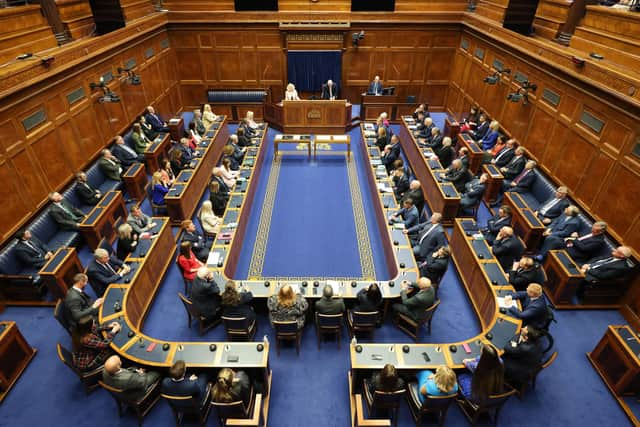
Northern Ireland is considering one of the most far-reaching conversion practices laws in the UK, yet almost nobody seems to have noticed.
Nor is Northern Ireland alone. The UK government has published a draft Bill for England and Wales, Scotland has committed to legislation, and the Irish government has pledged a ban by the end of 2026.

Canada, New Zealand, Belgium and Portugal have already introduced national bans covering not only sexual orientation but also gender identity or gender expression.
It probably sounds entirely reasonable.
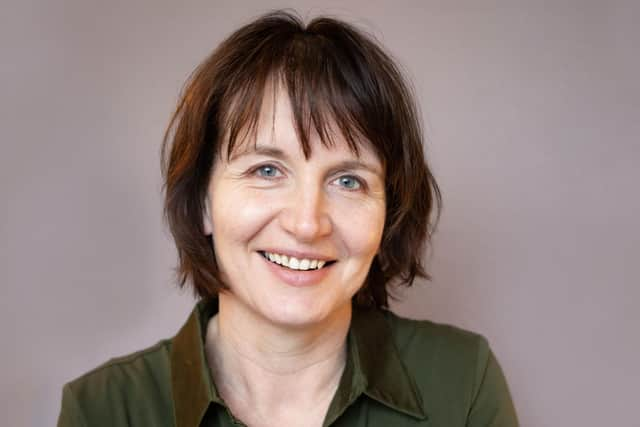
After all, who in their right mind supports conversion therapy? Certainly not me. I am a classically liberal psychotherapist with no interest whatsoever in trying to turn gay people straight.
The history of gay conversion therapy includes appalling practices, and I am very much against such attempts.
But there are significant problems with the Conversion Practices (Criminalisation) Bill that is currently before Stormont.
It does not simply outlaw abusive attempts to turn gay people straight; it creates criminal offences around attempts to ‘change or suppress’ either sexual orientation or gender identity.
Adding gender identity is a catastrophic game-changer.
Nobody needs medical or psychological treatment for homosexuality. A lesbian, gay or bisexual young person may seek help with coming out, but sexual orientation itself requires no medical treatment.
Gender identity is different. People who identify as transgender may undergo significant and irreversible medical interventions, including puberty blockers, cross-sex hormones, mastectomies and genital surgery.
This population also has elevated rates of psychological, psychiatric and neurodevelopmental difficulties, making careful assessment and support especially important.
The bill therefore makes a fundamental category error. There is a well-established association between childhood gender nonconformity and later homosexuality. The girlish little boy who loves dancing in a glittery princess dress may simply grow up to be gay.
If he is told that he is really a girl, and this leads to puberty blockers and cross-sex hormones, we risk a new form of chemical conversion therapy that is often described as “transing the gay away”.
This is why governments must separate sexual orientation from gender identity in any proposed ban. Therapeutic exploration may result in a trans-identified person realising that he or she is gay. Lesbian, gay and bisexual groups including the LGB Alliance and the Gay Men’s Network oppose the current proposals for precisely this reason. They fear badly drafted legislation will create confusion and deter therapists from taking on clients with gender distress. Dennis Kavanagh, a lawyer for the Gay Men’s Network, will speak at a Genspect and Free Speech Union event about this bill in Belfast on 25 September.
A therapist working with a gender-distressed young person must be able to ask questions when the client is considering irreversible changes to a healthy body. Why do you want to change your body? When did this begin? What else was happening in your life? Could your distress have another explanation? Can we slow down? Have you tried less-invasive strategies?
That is not conversion therapy. It is conventional therapy.
The bill contains a carve-out for therapists, but it will not prevent a chilling effect. Many will avoid this field rather than risk having difficult therapeutic work misconstrued as conversion therapy.
The chilling effect is not confined to therapists.
Clergy must remain free to teach their faith’s beliefs about sex and marriage, and to counsel members of their congregations accordingly. A priest, minister, rabbi or imam should not have to wonder whether a sermon, prayer or private conversation might later be characterised as an attempt to ‘suppress’ someone’s gender identity.
Freedom of religion means little if religious leaders may hold their beliefs but dare not express them.
I know how important this is because Genspect, the organisation I founded, has supported more than 600 detransitioners – people who transitioned, later came to regret that decision and are now attempting to reverse some of its effects.
Many tell us they dearly wish they had received better guidance before medically transitioning. Their experiences should make legislators extremely cautious about criminalising exploration of this issue.
The bill’s reach into family life is equally troubling.
It defines psychological harm to include ‘fear, alarm or distress’, while ‘coercive behaviour’ includes regulating or monitoring someone’s day-to-day activities and restricting their freedom of action.
But most parents monitor their children and restrict their freedom from time to time. That is normal parenting.
Suppose a 15-year-old secretly obtains cross-sex hormones online. Her parents confiscate them, restrict her internet access and say they will not allow her to medically transition. She becomes extremely distressed and accuses them of conversion therapy.
The parents may ultimately be protected by the bill’s ‘reasonableness’ defence. But why should ordinary parents have to depend on a court deciding whether their parenting was reasonable?
There are already laws against assault, abuse, threats and coercive behaviour.
If someone beats, threatens or abuses another person, prosecute them.
We do not need a badly drafted law that risks silencing legitimate therapeutic, parental and pastoral conversations – or drawing ordinary family conflicts into the criminal courts.
Should the state decide which conversations therapists, parents and pastors may have?
In Northern Ireland, the answer may soon be ‘yes’.
If you would like to learn more about the Bill and what it could mean in practice, please join us in Belfast on 25 September.
For more details, visit, https://freespeechunion.telltix.com/events/freespeechunion/2382805
l Stella O'Malley is a psychotherapist and the founder of Genspect, an international organisation that advocates for a psychological approach to gender distress