
Letter: As the death and serious injury toll continues to rise, it's clear that motorcyclists deserve safer roads in Northern Ireland
A letter from Brian Pope:
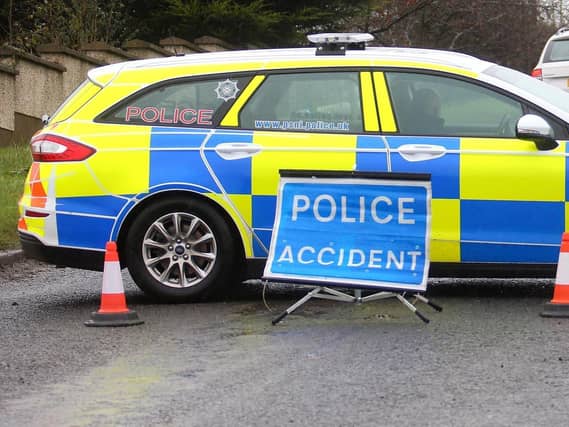

I recently witnessed a serious motorcycle accident close to where I live.
As paramedics, police officers and concerned members of the public gathered to help, my immediate thoughts were with the rider and their loved ones. Yet the incident also left me reflecting on a wider question: are we doing enough to protect motorcyclists on Northern Ireland’s roads?
Recent figures suggest we are not. A report published by Northern Ireland’s Department for Infrastructure and NISRA shows that 566 motorcyclists were killed or seriously injured between 2020 and 2024, accounting for 13% of all serious road casualties.

Most concerningly, the number rose to 133 in 2024 - the highest figure recorded since 2009 and a 15% increase on the previous year.
These statistics are particularly troubling because they reverse what had once been a positive long-term trend.
Serious and fatal motorcycle casualties had fallen significantly from 187 in 2002 to just 82 in 2015, but numbers have steadily increased since then. Researchers point to rising motorcycle ownership, while more than half of serious incidents occurred on rural roads, where fatalities are especially concentrated.
Belfast has emerged as a hotspot for serious collisions, while Newry, Mourne and Down recorded the highest rates relative to population. Men account for 95% of motorcyclists killed or seriously injured, reflecting the overwhelming number of male riders.
Weekend riding also appears especially dangerous, with more than a third of serious casualties happening on Saturdays and Sundays. Longstanding concerns remain about motorists failing to spot motorcyclists at junctions, an issue that clearly deserves renewed attention from road safety campaigners and policymakers alike.
Perhaps most worrying is how Northern Ireland compares with elsewhere.
In Great Britain, motorcycle fatalities and serious injuries have generally declined over the last two decades, while Northern Ireland has moved in the opposite direction. This suggests safer outcomes are possible and raises difficult questions about whether enough is being done here.
Behind every statistic is a rider, a family and a community whose lives may be changed forever. If neighbouring regions can improve motorcycle safety, surely Northern Ireland must ask what more can be done to make our roads safer for everyone.
Brian Pope, Chartered civil engineer, Banbridge