
Letter: Could Drumcree be showing a difference between what might be called cultural unionism and constitutional unionism?
A letter from Brian Pope:
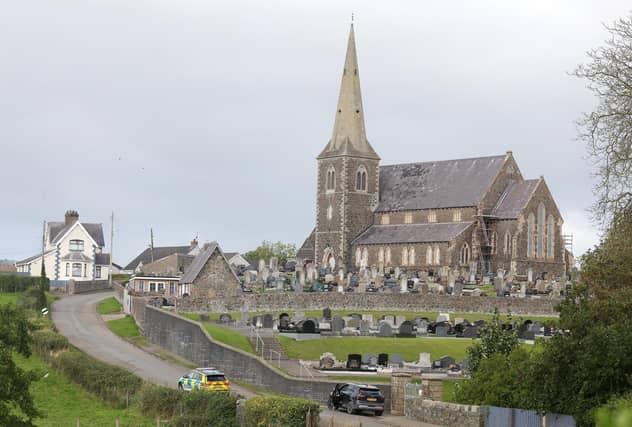

Drumcree has once again returned to the political headlines, bringing back difficult memories for many people in Northern Ireland.
The present dispute has generally been presented as another confrontation between unionism and nationalism. But perhaps it is worth asking whether that description is now too simple.
Could Drumcree be showing a difference between what might be called cultural unionism and constitutional unionism?

By constitutional unionism, I mean those who support Northern Ireland remaining part of the United Kingdom, perhaps because of economic stability, public services, security, or simply because they prefer the present constitutional arrangements.
Cultural unionism is somewhat different. It may include those who feel a strong attachment to British identity, Protestant history, remembrance traditions, Orangeism and other aspects of unionist cultural inheritance.
Of course, there is considerable overlap between the two. Many people will identify strongly with both. But they do not always lead to the same political conclusions.
This is where Drumcree becomes interesting.
The present dispute is not actually about whether Northern Ireland remains in the United Kingdom. No constitutional boundary will change depending on whether the Orange parade walks along the Garvaghy Road.
Instead, the dispute is about culture, historical memory, community consent, competing rights, legal decisions and policing.
A cultural unionist may ask why an Orange parade, particularly one which has been legally permitted, should not be able to proceed peacefully. They may also feel that continued restrictions on unionist traditions weaken confidence within their own community.
A constitutional unionist may ask a different question: does pursuing this parade make the Union stronger or weaker in the long term?
Could it damage wider community relations and make remaining within the United Kingdom less attractive to people outside the traditional unionist community?
Both are legitimate questions, but they are different questions.
Perhaps nationalism faces a similar challenge.
Constitutional nationalists may be concerned with making the case for a united Ireland and reassuring those with a British identity that their culture and traditions would be respected in any new constitutional arrangement.
Cultural nationalists may place greater emphasis on the historical experiences of confrontation, discrimination and division which have shaped attitudes towards Orange parades and other unionist traditions.
Again, these two strands may overlap, but they may not always point in the same direction.
Perhaps Drumcree therefore raises a wider issue for both traditions.
Unionists may need to consider how those with an Irish identity can feel comfortable within the United Kingdom. Nationalists may need to consider how those with a British identity could feel comfortable within a united Ireland.
If a border poll ever takes place, support from people outside the traditional unionist and nationalist communities could prove decisive.
That is why disputes such as Drumcree matter beyond the immediate issue of a parade.
Cultural and constitutional arguments can support each other, but sometimes they may pull in different directions.
Recognising that distinction may not solve the Drumcree dispute, but perhaps it can help us understand it better and discuss it with greater respect, curiosity and awareness of the different concerns involved.
Brian Pope, Banbridge