
Letter: Proposed changes in Good Jobs bill are not radical or extreme - many are based on rights passed in Westminster
A letter from Gerry Murphy:
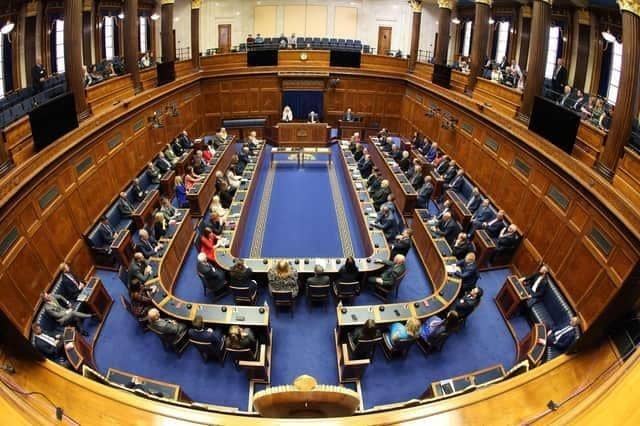

I read with regret that the News Letter has taken an editorial decision to support calls from business lobby groups to delay and effectively postpone the Good Jobs employment bill (Heed business warning over SF employment plan, April 13).
You are perfectly within your rights to oppose any piece of legislation for reasons of ideology or evidence you feel suggest that new legislation would do harm.
However, we are struck by the lack of grounded objections in your editorial, except one. There are no provisions in the Good Jobs Bill for day one rights against unfair dismissal for new employees.

And yes, that includes even those who "presented well in interview but is lazy in reality, or incompetent, or sour, or all three”, as you so eloquently put it.
The contents of the bill were published a year ago in the Economy Department’s Way Forward document, which itself followed an extensive public consultation in 2024.
The business groups who are now complaining that it “is not possible to give her legislation proper scrutiny before the end of the assembly term this time next year” must not have been paying attention to that document, nor the consultation in which they all participated, nor evidence to the NI Assembly Economy Committee nor the continued and regular engagement of business and unions on details of the proposed legislation at the Labour Relations Agency (LRA) Engagement Forum.
The only additional protection against unfair dismissal proposed is for workers taking part in official industrial action. It does not alter the position of those taking part in unofficial action.
In September 2023, I was privileged to join News Letter journalists on their picket line as they took official NUJ strike action.
Employers can still “impose probation periods” for new employees and will continue “being allowed to get rid of them easily”, as your editorial urges.
The proposed changes are not “radical” or “extreme”. Many are based on rights passed in Westminster under Conservative governments.
Many of the remaining rights are similar or identical to the new Great Britain Employment Rights Act. Not passing this legislation will place workers in Northern Ireland even further behind those in the rest of the UK.
There is time for the NI Assembly to deliver this bill, which we understand to be almost completely drafted and ready for its first reading.
Then it is up to MLAs to debate and vote for any amendments if they choose.
Gerry Murphy, Assistant general secretary, NIC-ICTU, Belfast