
Charter launch for church role in Northern Ireland state schools after Supreme Court ruling
A clear and supportive framework for the roles of visiting clergy and Christian organisations in Northern Ireland state controlled schools has been published by the Transferor Representatives’ Council (TRC).

The Charter for Churches and Christian Organisations in Schools has been shared with all principals of controlled, mainly Protestant schools and is now available on the TRC website’s home page: https://trc-churcheducation.org
The TRC, which represents the Church of Ireland, Presbyterian Church, and Methodist Church on education matters in Northern Ireland, has been working with some of the main Christian organisations which have a role in schools to prepare the document since May 2025 and before a recent Supreme Court ruling in a case on the teaching of religious education in schools.
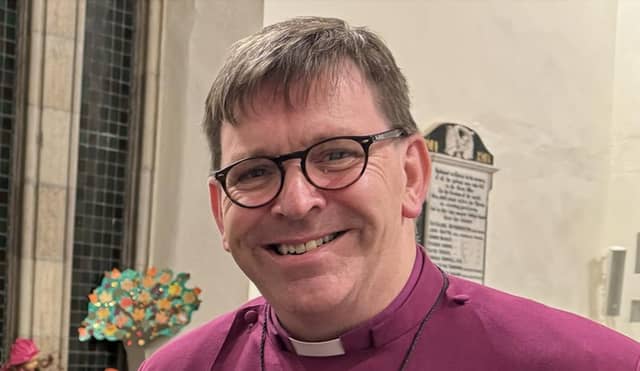
In the letter to principals, the TRC’s chairman, Church of Ireland Bishop Andrew Forster, welcomes the Supreme Court’s recognition that Christianity remains the primary faith taught in schools, and that religious education and collective worship continue to have an important and lawful place in the school day.
“This is a valuable affirmation of the long-standing role the Christian faith has played in the ethos of controlled schools,” Bishop Forster states.
“The court acknowledged that church news and religious education is beneficial and legitimate, and that the aim of schools should not be to remove religion from the curriculum but to ensure it is delivered in a way consistent with the rights of all families.”
Bishop Forster affirms the value of the contribution of visiting clergy and Christian organisations – a presence which, in the TRC’s view, “enhances and supports” the Christian ethos of schools, whether through the delivery of RE or collective worship, or through supporting other curricular or extra-curricular activity.
The proposed Charter is suggested as a document which principals may wish to use as guests come into schools, and it is up to individual schools as to how and whether to make use of it.
For example, the Charter can become the basis of an agreement with visitors and/or could be shared with parents to give them confidence in how churches are working with schools in their local communities.
The letter to school principals concludes by stating that the Transferor Churches “remain committed to supporting schools to provide high-quality, religious education and meaningful collective worship”.
The TRC also welcomes the review of the religious education curriculum and “is ready to participate fully in the review on behalf of our churches.”
After the Supreme Court ruling on the teaching of religious education in state controlled schools in Northern Ireland, the Stormont minister of education DUP MLA Paul Given gave a firm assurance that Christianity would continue to have an important role in the curriculum of daily class activity.
The Maintained sector of education in Northern Ireland continues to have a traditional Roman Catholic ethos.
The integrated education sector has a separate administration.