
Church of Ireland expresses concern over welfare of Northern Ireland teachers due to funding crisis
The board of education of the Church of Ireland has expressed its deep concern for the welfare of school principals, teachers, staff and governors due to the inadequate state of funding in education in Northern Ireland.

Clergy, speaking at the church's general synod in Newcastle, Co Down, highlighted a recent report which stated 91 per cent of teachers, including principals, were "stressed, anxious and near-burned out".
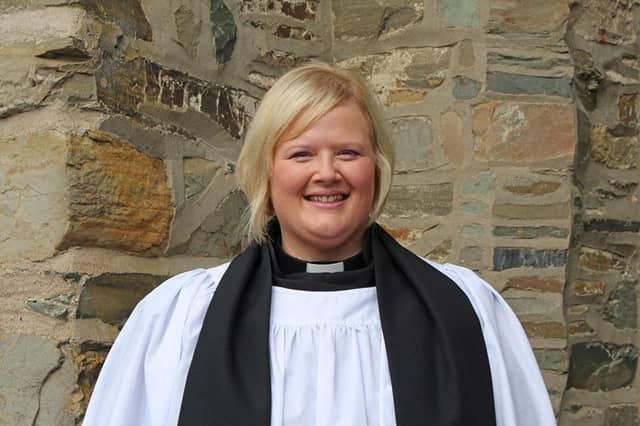
“The current political system means education in Northern Ireland has largely become a political football,” Glencraig, North Down rector Rev Catherine Simpson said.
“Teachers find themselves overburdened, with a number of concerns including paperwork, parental expectation and challenging pupil behaviour. Workload, special educational needs, and extremely limited funds are putting immense pressure on those running our schools. Add to that the social media world we live in, which is impacting young people and their parents alike, and our schools are in a fragile position.”
She added that the board of education was concerned at the increasing issues of mental health affecting all connected with the education system, from head teachers to the youngest pupils. They were calling on clergy to support their local schools and encouraged their church communities to support them.
The Church of Ireland education board, along with representatives of the Presbyterian and Methodist churches in the Transferors Representatives' Council is working as part of the programme developed by the Department of Education on the issues raised by the recent Supreme Court’s decision in London on the rights of a child and how religion is taught in schools in Northern Ireland. Rev Simpson sought members’ prayers for all working on the review process of the religious education curriculum.
The board welcomed the publication of a charter from the Transferors' representative council which gave clear guidance to visitors on taking assemblies and classroom lessons, she said. The board also acknowledged clergy and parishioners who served as volunteers on their local school boards of governors, and Rev Simpson added that it was vital to remain an integral part of local schools.
She expressed sadness at closure of the Church of Ireland Drelincourt school in Armagh city, but highlighted the board’s closer links with Seagoe primary school, Portadown, last remaining Church of Ireland school in Northern Ireland. She outlined allocations from the board’s funding to a number of schools and the board’s hosting of the annual theological Lecture at Queen’s University, Belfast which looked at issues around assisted dying.
Stephen Trew (Down and Dromore diocese) also spoke of the stresses that teachers faced. “Teachers are very much feeling the difficulties and stress of their jobs at the minute, he said, appealing to clergy and members of boards of governors to take the welfare of the teachers, principals and staff of schools very seriously. He said education in Northern Ireland, in a Christian context, was “under attack”.
Rev Adrian Dorian (Down and Dromore diocese) also spoke of the mental health challenges throughout schools on teachers and pupils. He said that the clergy and governors and people of the Church of Ireland could bring empathy to schools. He said it was “missional work” and that as schools flourished, communities flourished, and as communities flourished, churches flourished. He urged people to pray for and encourage those in our schools and all who served in any way.
Archdeacon Peter Thompson (Armagh diocese) said the judgement of the Supreme Court in London had brought anxiety to clergy and he also highlighted the importance of clergy bringing gifts and talents into schools.