
Abortion protest buffer zones coming into England and Wales were based on Northern Ireland legislation, says Society for Protection of the Unborn
New protest buffer zones which ban silent prayer outside abortion clinics across England and Wales were based on legislation first created in the Northern Ireland Assembly, it is claimed.
Safe access zones will come into effect across England and Wales from Thursday after legislation was passed 18 months ago at Westminster.
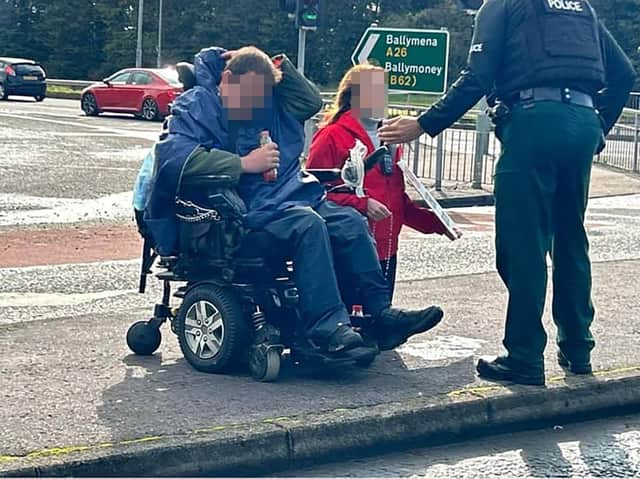

Implementation was delayed due to debate about silent prayer in such zones – which has now been banned.
Any obstruction or harassment toward clinic users or staff within 150m of a clinic will now be an offence carrying an unlimited fine.
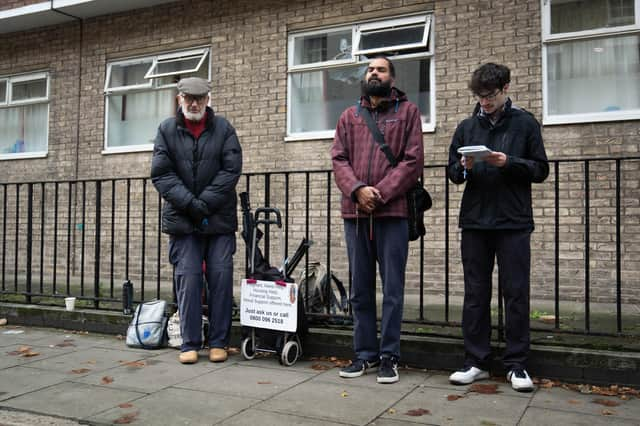
Catherine Mockler - spokeswoman for the Society for Protection of the Unborn (SPUC) - said the zones had introduced 'thoughtcrime' across the UK.
"Sadly, it was legislation passed by the Northern Ireland Assembly in 2022 which has led directly to silent prayer being criminalised by Westminster,” she said.
The new legislation “constitutes a gross intrusion of freedom of religion, free speech” as defined by the European Convention of Human Rights.
Ms Mockler said that after the NI Attorney General appealed against the NI legislation in the Supreme Court in 2022 – and lost – MPs then adopted the NI legislation as their model.
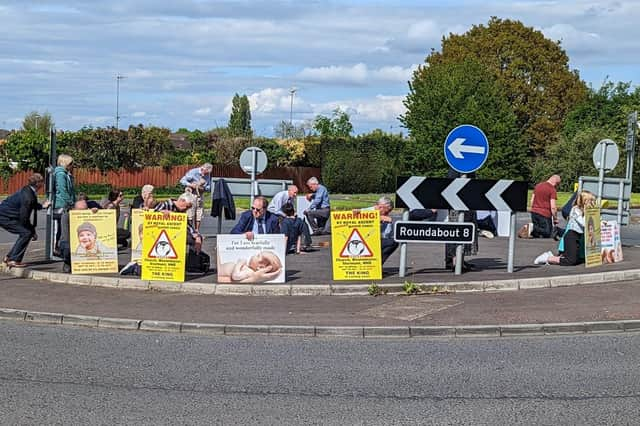
She said existing laws had been more than able to tackle harassment or intimidation outside clinics.
The true purpose of the legislation, she therefore claimed, was “silencing anyone who is opposed to abortion or wants to offer women the help they need to keep their babies”.
The evidence for this – she claimed – was that campaigners also tried to ban pro-life outreach outside Belfast City Hall – where there is no clinic.
SPUC is now considering a legal challenge.
DUP Pro-Life spokesperson Upper Bann MP Carla Lockhart said the DUP has raised concerns with the Justice Secretary in London about "fundamental freedoms" being undermined by the legislation.
She said: "The criminalising of an individual’s private thoughts in modern Britain is a dangerous pathway to pursue. People are perfectly entitled to ask where exactly will this end? These are attacks on freedoms which go beyond the question of the unborn child.”
But Northern Ireland pro-choice campaigner Goretti Horgan rejected their arguments entirely.
"If people wish to pray to end abortion, nothing in these new laws will stop them," she said. "Nor is silent prayer to be banned. People can pray silently (or loudly) in their homes, in churches, mosques and synagogues. What is being banned is the shaming and stigmatisation of patients and staff by anti-abortionists outside healthcare facilities."
Labour MP Stella Creasy told the PA news agency that pro-life protestors had their say during the democratic debate in Parliament and that women entering clinics have a right to privacy.
“Nobody’s banning silent prayer, they’re just saying it’s not appropriate here," she said.
The Crown Prosecution Service is expected to publish guidance for prosecutors while the College of Policing will publish what it described as a brief for officers.
In August, West Midlands Police apologised to Christian charity volunteer Isabel Vaughan-Spruce after she was charged - under local authority legislation - with protesting outside an abortion clinic in Birmingham. The force also paid her £13,000 in damages.
In July, Rasharkin woman Claire Brennan told Coleraine Magistrates Court she will fight a charge of an illegal protest in Coleraine Hospital’s buffer zone on human rights grounds.