
Advice preventing against elder abuse after Ciara Corvan's degrading photos of dementia patients at Bluestone Unit in Craigavon Area Hosptial
Advocates for older people have issued advice to families on protecting elderly loved ones in care after an Armagh woman was convicted of sharing humiliating photos of dementia patients.


Ciara Corvan, who worked at Craigavon Area Hospital, was this week handed a probation order and given 100 hours of community service at Craigavon Crown Court for the offence.
Speaking to the News Letter, the Commissioner for Older People in Northern Ireland, Siobhan Casey, said families can take practical steps to help protect relatives.
Commissioner for Older People in Northern Ireland, Siobhan Casey, said families can be proactive in protecting their relatives.
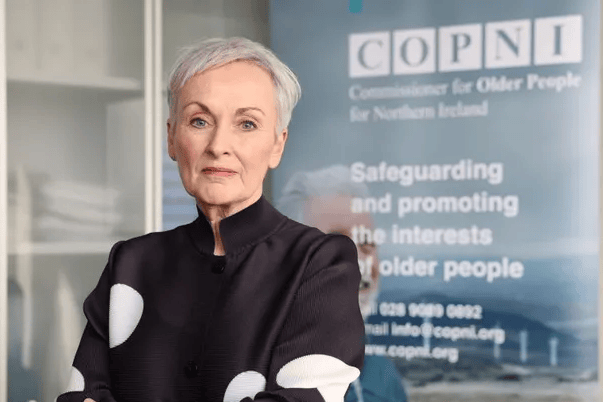
"They should try to keep in touch with their loved ones and talk about their experiences whenever possible," she told the News Letter.
"Families should feel free to ask questions about the safeguarding policies and have the confidence to raise any concerns that they may have with the provider."
If they suspect that there has any abuse, all such concerns should be taken seriously, she added.
"Families should report them to the care home manager - and if necessary - escalate them through the complaints process. They should also contact the relevant Health and Social Care Trust - or the contact the PSNI if they feel that a criminal offence may have occurred."
Private or statutory service providers should be taking proactive steps themselves to prevent any sort of abuse, she said.
"There are strict guidelines provided regarding mandatory staff training for all care staff and it is important that there is appropriate supervision by care managers.
"There should be a range of safeguarding policies - particularly with rules that focus on mobile phone usage and social media. It’s also vitally important that there is a working environment where staff have confidence in reporting poor practice and behaviour, knowing that these reports will be acted upon."
Families can also research the safety of institutions by reading Regulation and Quality Improvement Authority (RQIA) inspection reports for all registered health and social care services online.
"Families should also feel confident in asking institutions and providers about their safeguarding and complaints procedures – and where appropriate, they can also talk with residents, users and
their families about their thoughts on the level of care received."
Previous complaints are not usually public but inspection reports can highlight areas for improvement.
However she also noted that this week's court case was "an isolated case" and that "most health and social care staff provide great care."
Anyone with concerns can contact the commission for support and advice on 028 9089 0892 or [email protected]
The UK elder abuse charity charity Hourglass CEO Richard Robinson, also gave advice.
"Cases like this understandably leave many questioning whether they would recognise the warning signs of abuse," he said. "Families should remain involved in their relative’s care wherever possible. Visiting at different times, getting to know the staff, asking how concerns are recorded and handled, and noticing unexplained injuries or changes in mood, behaviour, appearance or personal care can all be important. Where possible, it is also vital to speak to the older person privately and give them time and space to express any concerns."
Hourglass operates the only UK-wide 24/7 helpline for abuse of older people, providing confidential support every day of the year on 0808 808 8141.