
AFBI finds cocaine in 91% of Northern Ireland waterways - but it is caffeine which presents greatest threat
Scientists have discovered low levels of cocaine, caffeine, painkillers and antidepressants in rivers and lakes across Northern Ireland – raising concerns about the impact on ecosystems and human health.
The research was conducted Dr Billy Hunter and colleagues in the Agri-Food and Biosciences Institute’s (AFBI) Fisheries and Aquatic Ecosystems Branch, in collaboration with Prof Leon Barron and his team in the School of Public Health at Imperial College London.
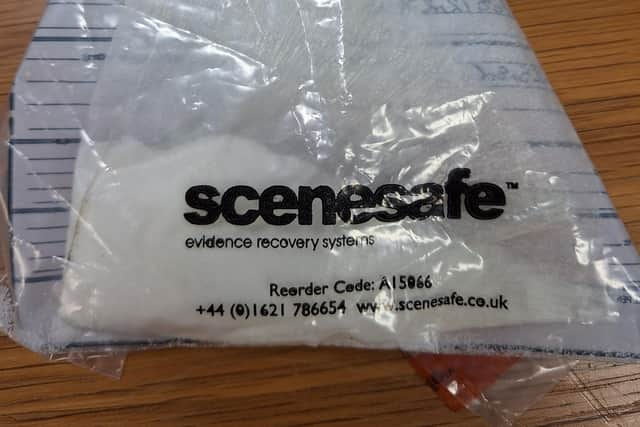

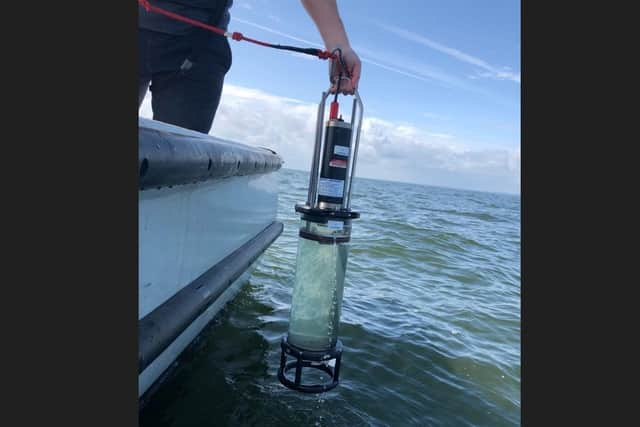
Scientists found cocaine and its by-product in 91% of water samples collected from the River Lagan, River Bush (Co Antrim), Dundrum (Co Down), Lough Neagh and Lough Erne.
Also found in 91% of samples were the opioid pain-killer tramadol, with caffeine found in 80% of samples and the antidepressant venlafaxine in 76%.
The report found that caffeine in lakes and rivers presented the highest risk across all areas of Northern Ireland, as observed in other parts of Europe.
It concluded that the painkiller diclofenac and caffeine were both found to present moderate to high risks.
In a statement AFBI said: "Researchers concluded that the presence of the substances raises concerns for ecosystem health and human exposure, especially because the waterways are used for drinking, agriculture, aquaculture, and recreation."
However, compared with other regions in the UK and Republic of Ireland, Northern Ireland’s waters were found to be less heavily contaminated.
The research covered more waterways across Northern Ireland than any previous work.
The study also found that the antibiotic trimethoprim may be contributing to an increased risk of antimicrobial resistance developing in the environment, especially in the River Lagan area of Greater Belfast, coming from both treated and untreated wastewater.
Lead author Dr Billy Hunter, from AFBI, said: “This research provides the first baseline for understanding the extent of chemical pollution in Northern Ireland’s lakes and rivers.
"It not only fills a critical knowledge gap but also offers a foundation for future national monitoring programmes.”
In terms of the risk to people and their pets, Dr Hunter said it was minimal now but could add to the cumulative detrimental effect on marine ecosystems.
"There is some evidence, particularly in England, of drugs having an effect on the environment. Some studies have shown that antidepressants are having an effect on shrimp in rivers and changing their behaviours, changing their dynamics within the ecosystem," he told the BBC.
However, he said it was caffeine that posed "the greatest environmental risk in Northern Ireland".
"If you think about what caffeine does, it peps you up, it raise your metabolism a little bit, it's a stimulant.
"If it's doing that to animals in the environment, they're going to be hungrier and more alert, their interactions within the food web are going to change because of that."
Dr Hunter also said the possibility of developing antibiotic resistance in the River Lagan area was "definitely" a concern.
"The risks around antimicrobial resistance are quite pronounced. That's a game where you come back to human health because if bugs are able to pass on antibiotic resistance in the environment then those bugs potentially bring infection back into contact with humans."
Agriculture Minister Andrew Muir welcomed the study.
“We will continue to build upon existing science and data to inform focus on current and future concerns and those of our partners in government,” he said.