
Andrew Mountbatten Windsor and Epstein scandal: Psychologist gives assessment of ex-prince's mindset after 'humiliation'
Andrew Mountbatten Windsor will be feeling "a deep sense of entrapment social isolation and shame" following his arrest, a Portadown psychologist has said.


The former prince was arrested on Thursday after being accused of sharing sensitive information with paedophile financier Jeffrey Epstein while serving as the UK’s trade envoy.
At this stage there is no suggestion that he is to be questioned about allegations of sexual offences against victims of Epstein's sex trafficking - something Andrew firmly denies.
Dr Arthur Cassidy a Royal commentator and Chartered Psychologist, told the News Letter the fall from grace will potentially produce "a form of an emotional tsunami, due to the unexpectedness of the arrest and the ultimate humiliation,” in Andrew.
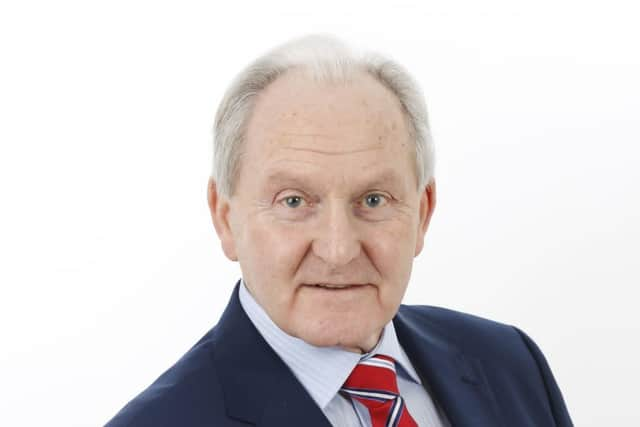
"He will now experience deep psychological distress with potential acute depression and chronic stress together with feelings of utter worthlessness. There will be a deep sense of entrapment following his global exposure, with social isolation and shame reactions.
"I would expect him to be internally reconstructing his historic global meetings with foreign diplomats and business gurus in an attempt to refocus on his flawed decision making and lack of moral scrutiny.
" I expect he will now feel a profound loss of control and will peruse some form of avoidance behaviours. This will also produce feelings of profound helplessness and fear of the unknown."
His greatest fears right will include appearing at the Old Bailey, prison or being asked to given evidence in America to Congress.
Dr Cassidy notes that some people have expressed concern for his mental health.
Kings Charles is "very strong on compassion and empathy" and Prince William and Princess Catherine have recently been advocating support for suicide intervention charities.
While they may not want to show public support, it is "very likely" they will provide some form of private suppor, he added.
Arthur has worked extensivley with people suffering suicidal thoughts.
"People are people at the end of the day, and we have no right to judge them - the judge will do that. We have to try and come to them when they're in their broken places."
As a professional, he may assist someone who raises the subject of "God, repentance and forgiveness".
"We can say, even though you might be condemned by the world, God does not condemn you."
For anyone in Andrew's situation, he says, he would aim to show them that “hope can come out of hopelessness".
Such a person "wants to hear that they're accepted as a person in their brokenness" he says.
For such people he would begin by looking at their strengths. "And then we try to rebuild the weaknesses and correct those."
in Andrew's case, he would start by looking at his service with Royal Navy in the Falklands: "He is a war hero."
The possibility of Charles abdicating due to the pressures has been raised with him - particularly as he is recovering from cancer.
"Constitutionally he can, but I would think that this would potentially demonstrate a weak ego."
He feels that Andrew's ex-wife Sarah Ferguson is currently "dangerous" because she is broke and talking about a public speaking tour at £30,000 - £50,000 pounds per speech.
He suggests the royal family might do well to bring her back into the fold - but possibly in "a purely private role".
• Anyone struggling with mental health issues can call Samaritans on 116 123 or Lifeline 0808 808 8000.