
Assembly defends cost of media monitoring service - after the TUV slam 'use of public funds for political surveillance'
The assembly has defended its decision to tender for ‘media monitoring’ services after the TUV branded the spend “outrageous” and said it was being used to “transcribe criticism” on the media.
It comes after the party discovered through a Freedom of Information request that the executive had transcribed ‘Nolan Show’ interviews with its MLA Timothy Gaston through its media monitoring unit.


Now, the Northern Ireland Assembly – which is independent of the executive – has tendered for a “cost-effective service” which it says will be for the use of MLAs to help keep them up to date on “commentary which impact on the assembly and its work”.
It said the service has always existed and will be cheaper than previous arrangements.
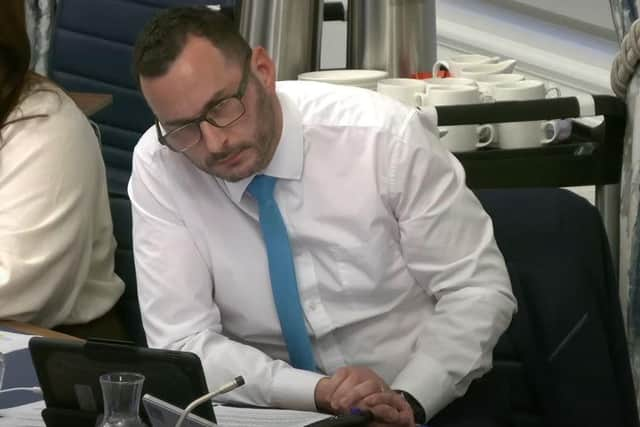
However, Mr Gaston has questioned the justification for a second service at taxpayers’ expense.
He also said that the executive’s operation “already stinks of political paranoia and waste”.
“Not one, but two layers of taxpayer-funded media monitoring operating from Stormont,” he said – adding that it was only revealed by the Belfast Telegraph.
“If £35,000 can be casually spent duplicating media monitoring then the public is entitled to ask whether this place is truly serving them, or simply serving itself.
“This is not about good governance. It is about control. It is about shielding those in power from scrutiny by keeping tabs on those who dare to question them.
“The use of public funds for political surveillance under the guise of ‘monitoring’ is not merely wasteful – it is profoundly dangerous,” he said.
An assembly spokesperson said it has had a media monitoring service in place throughout the life of the assembly.
“The Department of Finance previously provided the Assembly Commission with media monitoring services for a charge but this contract ended in 2024,” they said.
Officials put the cost of the new service at around £9,000 per year.
They say the decision to seek to tender a contract for the service is an operational decision which the elected members of the Assembly Commission would not be involved in.