
Battle for Belfast Council to undo Armed Forces Covenant block after Sinn Fein and SDLP push through 'minor impact' equality test refusal
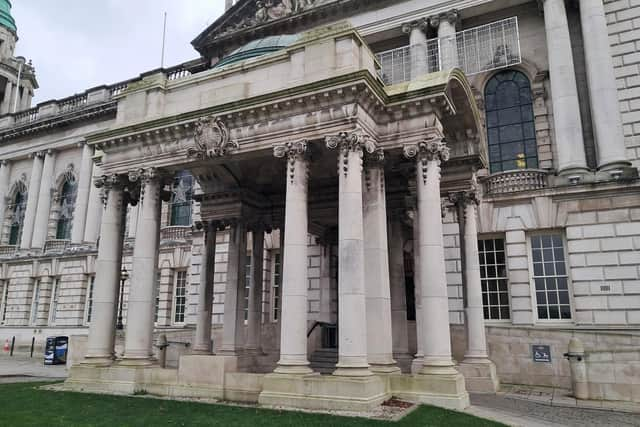
A battle-cry has gone out for Belfast City Council to scrap its block on the Armed Forces Covenant on “minor equality impact” grounds.
On Monday morning (27th), Nationalist parties used the results of equality tests to justify shutting down an agreed move to have the council sign up to the covenant.
They’ve now been strongly criticised, with one DUP politician accusing them of grasping at flimsy evidence to push an ideologically-driven decision through a council committee.
Alderman James Lawlor, the local authority’s official armed forces champion, wants to see the block removed. He’s now trying to launch a new front in the battle by scaring up as many councillors as he can to undo the decision at a full council meeting next week.

“It is a sad day when political prejudice is allowed to outweigh the opportunity to make Northern Ireland a place where those who serve us, and risk their lives doing so, are denied the treatment they deserve,” he said.
“I will be proposing that this decision is overturned at the next meeting of the full council and would encourage all those who support the principles of the Armed Forces Covenant to ensure that they are there to vote.”
Mr Lawlor argues that the “minor impact” found in equality tests is nowhere near strong enough to justify blocking the covenant.
"The findings do not provide any reasonable basis for this decision,” he told the News Letter.
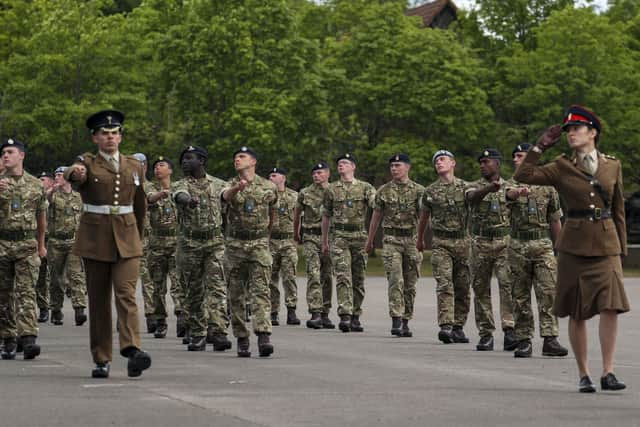
"These actions are clearly driven by hostility towards the armed forces community, rather than any genuine concern for equality or fairness.”
He feels that adopting the covenant would signal that the council wants to see Northern Ireland move forward as a shared society, where all communities are valued and respected.
"The Armed Forces Covenant is designed to ensure fair treatment and support for veterans, and their families, who have made sacrifices in service to the nation,” he said.
“Blocking its implementation sends a deeply damaging message and undermines the principles of inclusivity and mutual respect within the city of Belfast.”

The covenant is an attempt to ensure veterans are treated fairly in civilian life, and sets out pledges to make sure ex-military personnel aren’t disadvantaged when it comes to accessing housing, health care, education and employment.
It also recognises that some veterans, especially the injured or bereaved, may need special treatment in those areas.
Earlier this month, Belfast Council voted by a slim majority to sign up to it.
But on Monday, officials delivered a report stating that adopting the covenant is “likely to have a minor impact on the basis of religious belief and political opinion, on both the promotion of equality of opportunity grounds and good relations grounds”.
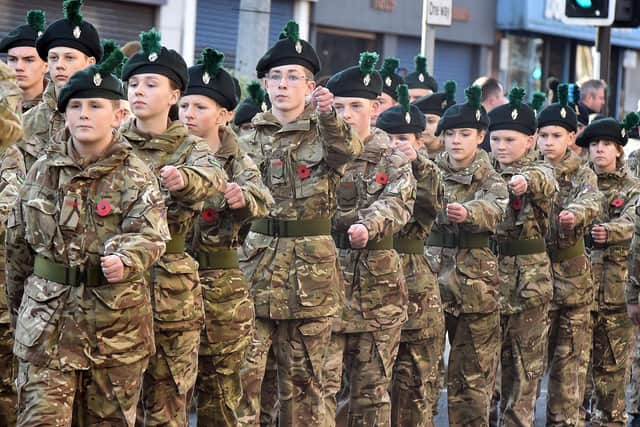
Signing it may prove to be divisive, added officials, as “the legacy of the conflict is still very much evident in some areas throughout Belfast”.
Nationalist parties on the council’s strategic policy and resources committee used that report to block the covenant.