
BBC Northern Ireland 'needs to reflect on culture' after SAS description - amid call for investigation
The BBC’s description of a British Army regiment as “infamous” has prompted complaints from political representatives at Stormont and Westminster – with the corporation editing an news article to reflect its “intended meaning”.
Ulster Unionist peer Lord Elliott has asked the government to investigate the matter, while the TUV has said the publicly funded broadcaster needs to “reflect on the culture” within it when it comes to the armed forces.

In an article published on the BBC News NI website at the weekend, the Special Air Service (SAS) was described, by the BBC, as “one of the British Army's most infamous regiments”. Common definitions of the word include having “a reputation of the worst kind” or being “well known for being bad or evil”. The description was in the top line of the story.
That has now been amended to describe the SAS as “one of the British Army's most well known, and sometimes controversial regiments”. A note at the end of the story says “this article was updated for accuracy”.
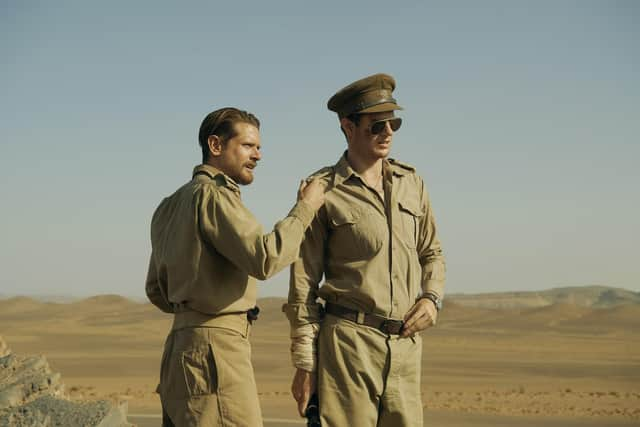
The news article had sought to reflect controversy over a BBC drama’s depiction of the SAS, but has now landed the corporation in a political row of its own.
The TUV raised a complaint with the BBC at the weekend – asking for the article to be changed as a matter of urgency, and a public apology issued. The party has described it as a slur on the reputation of the regiment.
Before it amended the news story, the News Letter had asked the BBC if it stood by its description of the regiment, and if so, what the justification for its position is.
On Monday afternoon, a BBC spokesperson said: “We have amended this report so as to better, and more accurately, reflect the intended meaning of its initial reference to the SAS.”
Responding to the BBC’s move, TUV press officer Sammy Morrison said: “Of course we welcome the fact that the BBC has, on foot of our complaint, accepted that the term ‘infamous’ should not have been used. We also welcome the fact that the complaint was shared with senior colleagues in the BBC’s Belfast newsroom”.
Mr Morrison said that “senior people in BBC Northern Ireland would have to have signed off” on the article prior to publication.
“The reality - as spelt out in the TUV complaint - is that the SAS were heroes. They are famous - not infamous - though out the world for taking the fight to terrorists as happened in the Iranian Embassy siege in 1980 and what would have been otherwise a murderous attack on Loughgall RUC station in 1987.
“The use of the word infamous is only explicable if one were to believe that there is sympathy for Fascism and / or terrorism on the part of the organisation which produced the report.
“BBC Northern Ireland need to reflect on the culture within the organisation when it comes to the forces of our nation who serve King and country with pride and distinction”, the TUV spokesman said.
Ulster Unionist peer Lord Elliott has also raised the matter at Westminster. He has tabled a question to the government asking what investigation is being carried out “into BBC Northern Ireland’s misrepresentation of the SAS” in the article.
Nationalist politicians have been deeply critical of the regiment’s role in Northern Ireland, but others have been supportive of its actions in the fight against terrorism during the Troubles.
While it is believed that the SAS had been operating covertly in Northern Ireland since the early 1970s, their presence in operations here was confirmed after a series of shocking terrorist crimes, including the IRA slaughter of ten Protestant workmen at Kingsmill in County Armagh.
One Catholic worker was set free, while the Protestants were lined up and shot. Last year a coroner described it as an “overtly sectarian attack by the IRA”.
The SAS mounted a series of operations against the Provisional IRA – including killing IRA men during terrorist operations.
Last year, the coroner at an inquest into the killing of three IRA men in Coagh in June 1991 ruled that SAS soldiers were justified in their use of lethal force. They had been intending to murder a member of the Ulster Defence Regiment in the village, when their plot was disrupted in an SAS operation, and a gun battle ensued. Mr Justice Michael Humphreys said he was satisfied that the use of force was “reasonable and proportionate”.
In 1987 the SAS killed eight IRA men as they launched a bomb and gun attack on a rural police station in Loughgall. Anthony Hughes, a civilian driving through the village during the gun battle, was also killed.