
Belfast city centre streets to get Irish signs - even though only one in five want them
Streets in the heart of Belfast are set to get Irish language signs, even though only one in five people think they should be there.
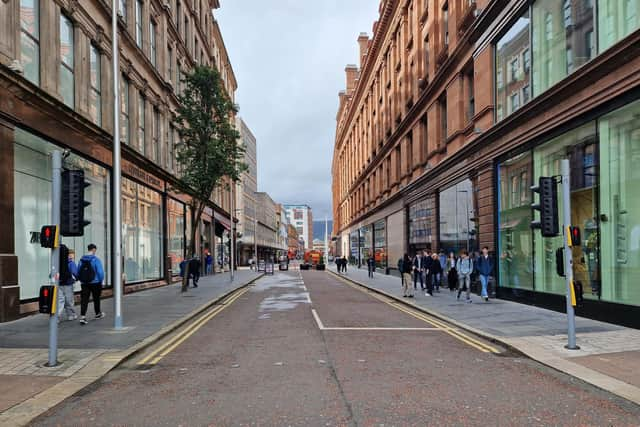
Some notable roads in the city centre are in line for Irish signage including Castle Street, which runs alongside Belfast’s grade B1 listed Bank Buildings, internationally recognised for their iconic Victorian design and long-term home of a large branch of Primark.
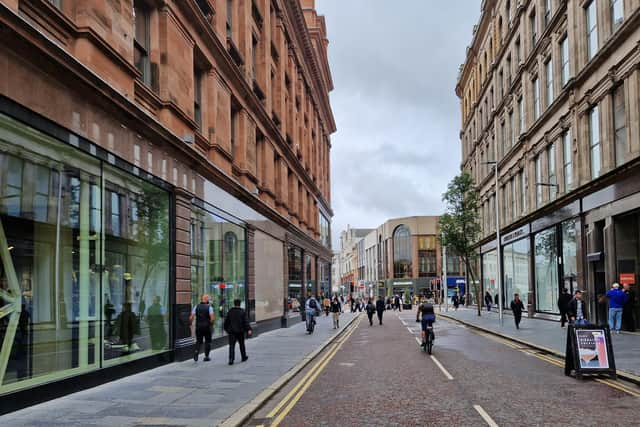

Castle Street runs from the city centre’s Royal Avenue to a junction with Divis Street. It’s home to a large number of businesses from restaurants to barbers to convenience stores, and according to city council reports only 20.96% of occupiers are in favour of building signs in both English and Irish – but that’s enough to qualify under the council’s current dual language threshold.
Just 15% of people on the street, which can be residents in suburban areas or business owners in the city centre, need to be in favour of dual language signs to make them happen.
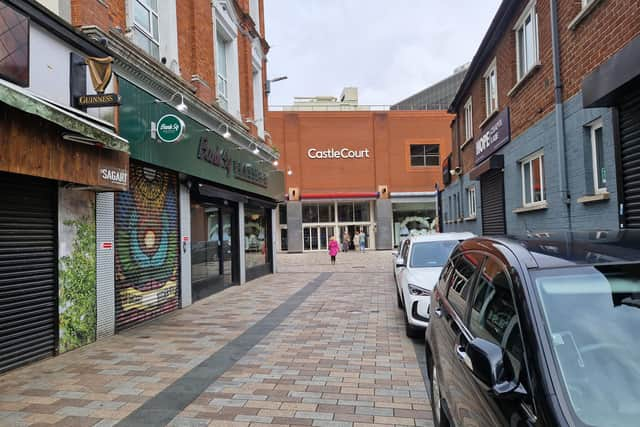
That threshold means another well-known city centre street is to get Irish signs despite only two people wanting them.
Chapel Lane runs from Castle Street to the sprawling Castle Court shopping centre. According to council reports, 25% of those surveyed are in favour of dual language signage, which equates to a total of two responses.
The city centre streets are among seven applications for Irish language signs due to be voted on by Belfast City Council at a meeting tonight (9th), and are likely to pass on the strength of votes from nationalist parties.
One of the other roads is set to go ahead despite making the threshold by less than 1%.
Residents of Elimgrove Street in the nationalist Ardoyne area of Belfast were asked if they wanted Irish signs. Just 15.47% of the street said yes, but that slim pass is enough for the council to plough ahead.
Unionists have been strongly critical of current rules for building dual language signage, which have seen more Irish language signs approved in the first two years the system was in play than in the previous 24 years under a more strict policy.
The rules state that the process for dual language signs will be triggered if one or more residents of a street request them. Every Belfast councillor can also submit applications for roads within their district, whether or not householders have asked them to.
Once a request has been filed, surveys go out to residents or business owners; if at least 15% of people polled back the idea, the signs will be built, even if the other 85% all come back saying they don’t want them.
Under the old policy, which was in place from 1998 to 2022, at least one-third of a street had to petition for signs before an application would be considered, and two-thirds of those surveyed had to be in favour.
Unionists argue the 15% threshold is far too low and that kickstarting the process with a single anonymous request leaves the system open to bad actors seeking to manipulate it.
Almost 1,000 requests for dual language signs covering more than 650 streets are still on the council’s waiting lists. All dual language signs approved in the last two years have featured the Irish language.