
Belfast 'incorrect' to count all residents when surveying streets for Irish signs, says Sinn Fein, arguing a handful of households replying should be taken as 100% in favour
Sinn Fein have demanded Belfast Council changes how it counts surveys on Irish street signs, in a way that would make them nigh-on impossible to oppose.
The nationalists insisted everyone from council officials to politicians are “incorrect” to consider numbers of entire streets, insisting that only people who reply to surveys should be counted towards results.

The party’s logic would see Irish signs built on streets where fewer than one in 10 people want them, with council group leader Ciaran Beattie arguing that if only a handful of people on a street reply to surveys but all of them back the signs, that should be regard as “100% support”.
The council has a minimum threshold that means at least 15% of householders have to be in favour of Irish signs to see them built.
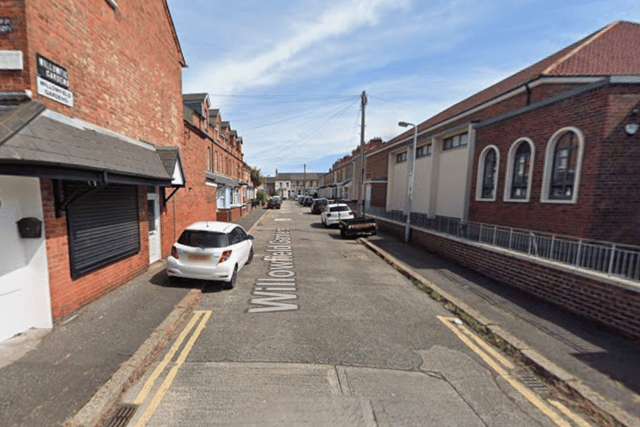
On Tuesday night, five applications are due to be rejected as they all failed to hit that mark – but if Sinn Fein’s argument was accepted every one of them would pass, including a street in a heavily unionist part of east Belfast where five times as many people are opposed to Irish signs as are in favour.
On Willowfield Gardens, 8.7% of residents want Irish signs, while 44.9% are against them. Under Sinn Fein’s interpretation that only people who reply to the surveys should count, that changes to 15.7% in favour which would see them built.
Two streets in nationalist areas of west Belfast failed to hit the 15% threshold as too few people cared about getting the signs to fill in surveys. On Caffrey Avenue, only 24 out of 162 people replied to the poll, while seven out of 54 people on Glenwood View completed the forms; all of them backed Irish signs, so according to Sinn Fein 24 out of 162 should be taken as 100% of residents wanting them.
During a recent council meeting, Mr Beattie insisted that “people need to be educated” about the council’s dual language sign policy, including councillors who oversee it.

He maintained that politicians only have to “note” the number of people who don’t reply to surveys, arguing that means they can be excluded from the final poll results.
“People are throwing out figures, including in the media, picking them up and looking at percentages,” he said, adding: “What’s being calculated in terms of the percentages is the people who don’t reply, and that is incorrect.
“If you look at a lot of these streets, 100% of the people who responded are supportive of it. So it’s not 15%, it’s 100% of respondents are supportive of it.
“A lot of the streets have zero people opposing it, yet [applications] haven’t been brought before committee to even look at where you have 100% of streets, of respondents on streets, supporting it. So this has been applied incorrectly and people are misinterpreting it.
“This needs to be brought back and people need to be educated on what our policy actually is, including councillors, because they don’t understand it and then they’re gobbling out different figures and they don’t really understand what they’re doing.”
Sinn Fein has already started pushing Irish signs through on streets that fail to hit the 15% threshold, leading to accusations the party is anti-democratic.