
'This isn’t equality, it’s overreach that harms relations and wastes money': Unionists call for Irish signs revamp after push to blaze them across street where two-thirds didn't want any narrowly defeated
Unionists have called for a revamp of Belfast’s Irish signs policy, after a Sinn Fein push to blaze them across a street where two-thirds of residents didn’t want any was defeated by a single vote.
Councillors today said the case “exposes the undemocratic flaws” in the council’s current system, in which the wishes of a little more than one-seventh of the population of any street can override the views of the rest of its population – as long as the smaller number are in favour of dual language signs.
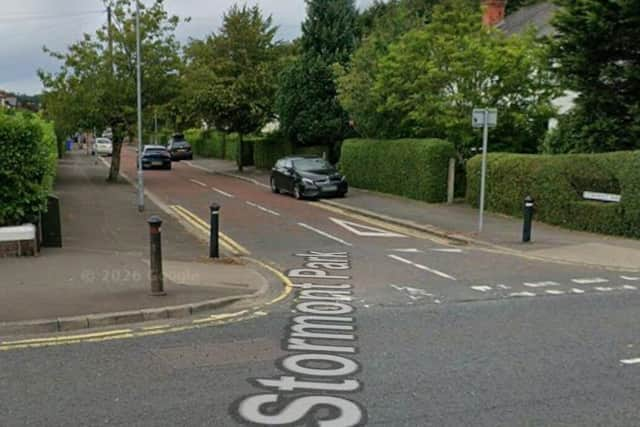

The upshot, argue unionists, is a policy supposedly about equality is in fact driving division and sparking ill-feeling between neighbours.
On Wednesday night, a council committee was deadlocked on whether or not to green-light Irish signs for Stormont Park in heavily unionist east Belfast; nine politicians were for the idea and nine against, resulting in the committee’s chairman employing his rarely-used casting vote to block them.
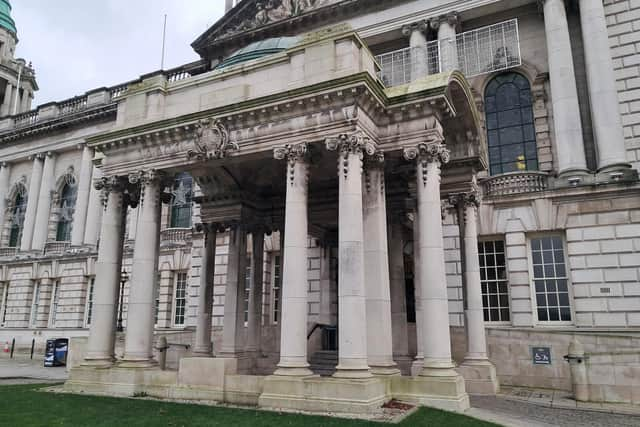
The move came up for a vote as a survey found 67.47% of householders against the signs compared to 15.66% in favour. As Belfast Council’s threshold for building dual language signs is 15%, that 0.66% over the target was enough to make them happen.
In the wake of the narrowly averted Sinn Fein push to blaze them across the street against the wishes of an overwhelming majority of the people who live there, unionists are now calling for the signs policy to be rewritten.
Ulster Unionist alderman Jim Rodgers described Sinn Fein’s suggestions as “bid to impose” Irish signs on the east Belfast street, adding their defeat is “right and fair, given over 67% rejected them”.
“Yet again this exposes the undemocratic flaws in the city council’s policy, where a 15% threshold lets a tiny minority override the majority, breeding division in settled local communities,” he said.

“Residents rightly decry its lack of legitimacy as a tool for cultural imposition, and Sinn Fein’s push ignores local people and their consent.”
The threshold used to be much higher, but was massively relaxed a few years ago. Since then, argued Mr Rodgers, the system has been “abused”.
“My party advocates for a fairer 51% threshold to honour genuine interests without coercion,” he added, “but nationalists, aided by Alliance support [for the lower threshold] and Green abstentions, have eroded trust. This isn’t equality, it’s overreach that harms relations, squanders funds and defies cross-community principles. It’s time for a review.”
TUV councillor Ron McDowell said the Stormont Park case shows “how contentious and divisive” the current system has become.
“Attempting to force these signs through in a strongly unionist area, against the wishes of the vast majority of residents, exposes the reality that the policy is being used not as a cultural measure but as a political tool,” he said, adding any argument that the views of 15.66% of a given area should trump 67.47% of it “turns the very idea of consultation into a farce”.
“People should be free to learn Irish if they wish, but attempting to impose it on communities who do not want it and do not regard it as part of their culture or heritage creates division and undermines good relations,” he said.