
Digital ID plans: Hilary Benn dodges question on whether there will be a 'bespoke' deal for Northern Ireland
The Secretary of State has not ruled out introducing a different Digital ID card in Northern Ireland than will be in place elsewhere in the UK.
Hilary Benn has also revealed that the Irish government has been consulted on the plans for mandatory identification for anyone seeking work in the UK – citing the Belfast Agreement.
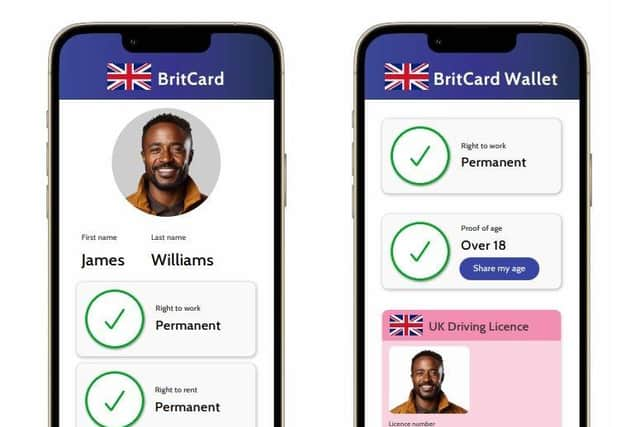

The comments come after opposition to the government plans – dubbed ‘Brit Cards’ – from across the political spectrum in Northern Ireland. The government believes they would assist in tackling illegal migration.
However, critics say they will have no impact on the underground economy which uses illegal migrant labour, while others have raised concerns about civil liberties.
In an interview with the BBC political editor Enda McClafferty on Tuesday, Mr Benn defended the digital ID card scheme as “the future”.
He said that the Labour government “will ensure that the Good Friday Agreement is upheld in letter and in spirit” – adding: “I understand that people in Northern Ireland, under the Good Friday Agreement, can identify as British or Irish or both”.
The NI secretary said that discussions with the Irish government are already underway.
“We've already started those discussions about how we're going to operate this in practice, because people coming across the border for a new job have to provide documentation”, the Labour minister said.
Mr Benn rejected the suggestion that the government haven't thought the process through – and were simply making it up as they go along.
“We will find a way of making this work. But it is the future. It is the future, and it is will also help to combat illegal migration”, he told the BBC.
The DUP says its MPs will not support the plans in parliament, arguing they would do very little to stop illegal immigration – and described the plan to make the scheme compulsory as “worrying”.
The UUP have branded the plans are “intrusive” and a threat to liberty and privacy, arguing they would fundamentally threaten “the rights and freedoms of citizens across the UK”.
The TUV opposes the plans – but said if they are to proceed they must apply across the whole of the UK.