
Dog fouling deterrent fines 'too high to enforce': Plea to cut council's penalties in hope people pay up instead of forcing costly legal battles
Officials are pleading for politicians to lower the price of fines for dog fouling in the hope people will start paying them, instead of forcing one council into costly court battles that mean it’s losing money trying to enforce the law.
Three years ago, Ards and North Down Council more than doubled the financial penalty it slaps on irresponsible dog owners who allow their pet pooches to foul streets, parks and beaches around the district.
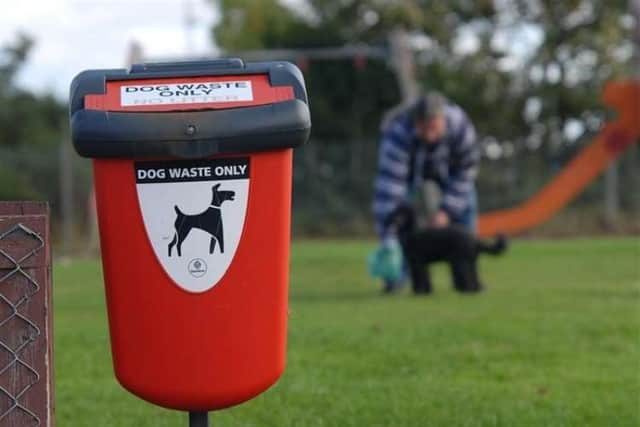

The hope was that a £200 hit to the pocket would act as a deterrent, pushing people to keep public places clean.
Now its officials are asking councillors to cut fines back down to £80, however, as the high level of the fixed penalty has meant wrongdoers are more likely to refuse to pay the ticket.

Unpaid cases have to be prosecuted in court. According to information due to be presented to politicians this week, even when the council wins judges are more likely to impose a fine that’s less than the £200 given by the district’s enforcement team, and often do not make culprits pay the civic authority’s legal costs.
That results in the council being out of pocket when trying to chase people whose dogs have fouled the area, state officials. They now think taking the fine back to its previous amount might make pet owners more likely to cough up straight away, especially if there’s a discount for paying promptly.
State officials in a report: “Although a lower penalty may reduce its deterrent effect and reduce income, it may also encourage earlier payment and swifter resolution, reducing the number of contested [fines] that proceed to prosecution and the associated legal and administrative costs.
“Any such change would therefore require a balance to be struck between deterrence, payment rates, enforceability and the overall cost of pursuing unpaid [fines].”
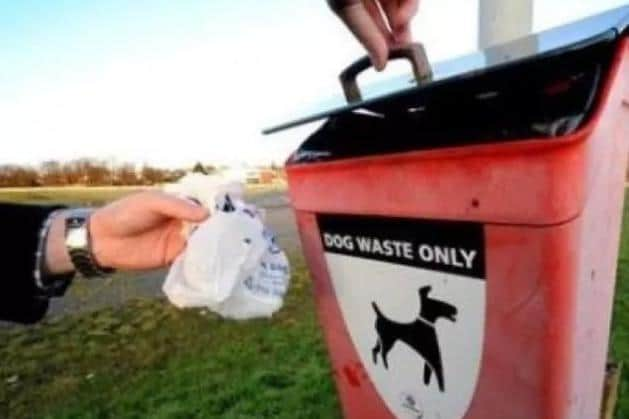
The suggestion came about after politicians demanded to know why the number of penalties for fouling have abruptly fallen since the council stopped using a third-party firm to enforce the law over the issue and moved those duties in-house.
Officials state that the council’s own wardens don’t solely tackle enforcement, with close to half of their weekly hours taken up with opening and closing parks and cemeteries or overseeing municipal kennels.
They also cited “operational issues” from the status of dog fouling as a criminal offence. That means cases must be provable beyond a reasonable doubt, which in practice usually means wardens seeing the incident happening first-hand and spotting the dog with its owner right away.
But as wardens don’t have the same powers as the police, they can’t detain anyone and are often dependent on the owner being honest and giving their real name and address when stopped.
Fines are “regularly challenged”, state officials, and may result in complaints or freedom of information requests that council staff have to spend time dealing with, resulting in “an additional administrative burden”.
The more fines are imposed, they argue, the more likely there will be “a corresponding increase in challenges, complaints and information requests”.
Officials add that politicians might want to think about outsourcing dog fouling fines to a third-party firm again, potentially also hiring them to tackle issues such as littering.