
DUP MP Carla Lockhart welcomes end of the road for UK's assisted dying bill
DUP MP Carla Lockhart has welcomed the collapse of the Assisted Dying Bill, saying the legislation has now reached “the end of the road by natural causes”.
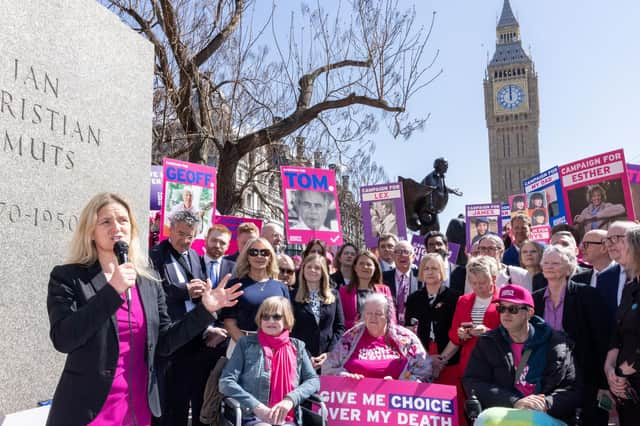
Assisted dying will not become law in England and Wales after proposed legislation branded “hopelessly flawed” by opponents ran out of time amid claims of a “denial of democracy” from supporters.

Upper Bann MP Mrs Lockhart said: “Throughout this process, serious concerns were raised by medical professionals, disability campaigners, faith groups and families about coercion, safeguarding and the real danger of people feeling pressure to end their lives rather than being properly cared for.
”The House of Lords was right to subject this legislation to detailed scrutiny. That is not obstruction, it is responsibility.
“True compassion is not helping people to die, but ensuring they receive the highest standard of palliative care and support in the final stages of life.
“Rather than pursuing dangerous and divisive legislation, the focus should be on improving hospice provision, end-of-life care and support for families facing the hardest moments of their lives.“
The Terminally Ill Adults (End of Life) Bill, which had been making its way through Parliament for the past year and a half, fell yesterday with peers in the House of Lords speaking passionately on both sides of the argument.
While the bill had successfully passed two votes in the House of Commons, albeit with a narrower majority on the second occasion, it did not face a vote in the Lords.
It instead ran out of time, with Lord Charlie Falconer – who had steered it through the upper chamber – saying he felt “despondent” that a piece of legislation which he said was “so important to so many, has not failed on its merits, but failed as a result of procedural wrangling”.
The bill had proposed allowing adults in England and Wales, with fewer than six months to live, to apply for an assisted death subject to the approval of two doctors and an expert panel.
More than 1,200 amendments to the bill had been suggested in the Lords, with more than 800 of those tabled or sponsored by seven peers.
Lord Falconer said the bill had not failed to finish its journey through the Lords due to a lack of time, but rather “because a small minority were not willing to cooperate, as we normally do, to ensure that there can be proportionate debate”.
Tory former cabinet minister Lord Baker of Dorking accused opponents of the bill of a “prolonged filibuster”, branding the situation a “denial of democracy”.
Paralympian Baroness Tanni Grey-Thompson, who had spoken out against the bill, said it had failed because “there are too many gaps in it”, adding that she felt there was “a lot of misunderstanding about what people might get” under a law change.
Those opposed to the bill have branded it “unsafe and unworkable” and “bad law”, citing their concerns around potential coercion of vulnerable people and a lack of safeguards for those with disabilities.
Supporters have vowed to try to bring the Bill back in Parliament’s next session, with its sponsor in the Commons Kim Leadbeater saying she will again enter her name in the ballot of private members’ bills.
Campaigners have said they could use the Parliament Act to get the bill through if it was selected.