
DUP says councillor anonymity ruling sets a ‘dangerous precedent’ - as peer presses government on ICO decision
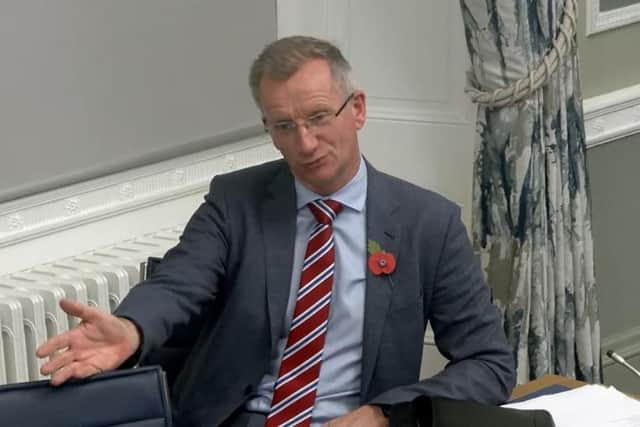
A decision to grant anonymity to councillors involved in a democratic process is deeply concerning and “sets a dangerous precedent”, a DUP MLA has said.
Brian Kingston was reacting to an Information Commissioner’s Office (ICO) decision to uphold anonymity granted to North Down and Ards Alliance Party representatives over a ‘call-in motion’ on flying the Union Flag at war memorials.

The issue has been raised in the House of Lords – where Baroness Kate Hoey has asked the government what steps they are taking to ensure that elected representatives “exercise public powers publicly to be accountable to the electorate for their decisions”.
The former Labour minister said “We risk a Stalinist type culture whereby democracy is firstly moved behind closed doors, then gradually eroded”.
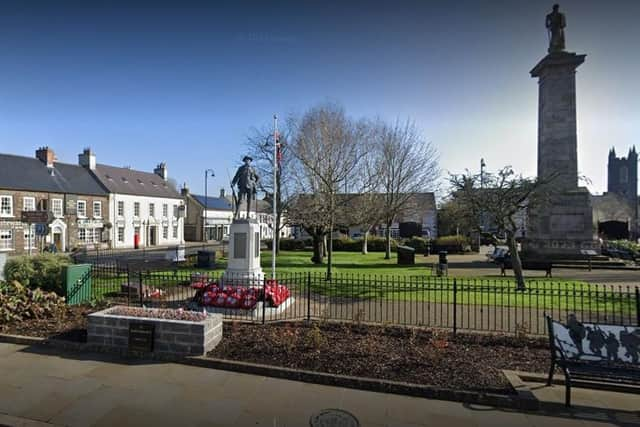
The ICO ruled last week that naming the councillors would be “unlawful” – saying the councillors themselves are opposed to the release of their identities “from a safety perspective”.
Mr Kingston, the DUP’s local government spokesman, said the decision “is deeply concerning”. He added: “There should always be transparency in decision-making, whether that is at Westminster, Stormont, or local councils. This ruling sets a dangerous precedent and raises serious questions - who determines when anonymity is granted, and who assesses the risk? The principle of openness in politics is fundamental to democracy.
“No councillor or elected representative should ever face threats for their decisions. We in the DUP know all too well the dangers of taking a pro-Union stand in Northern Ireland, with our members having been targeted by terrorists in the past.
“However, despite these threats, we still believe in the fundamental principle that political decisions must be made openly, and that those making them should be accountable to the public. Hiding behind anonymity undermines trust in the democratic process.
“Politics is about making decisions, standing over them, and being held accountable at the ballot box. Shrouding this in secrecy is bad for democracy.”
Jamie Bryson, who originally challenged their anonymity, has lodged an appeal over the ICO decision.