
Final phase of Irish Sea border labelling scheme in place - as not enough Lords show up for a vote on issue
The final phase of post-Brexit food labelling on products being shipped from Great Britain to Northern Ireland has been introduced.
The "Not for EU" labels, an element of the Windsor Framework, have been used since 2023. However, their use has now been extended to cover more products.
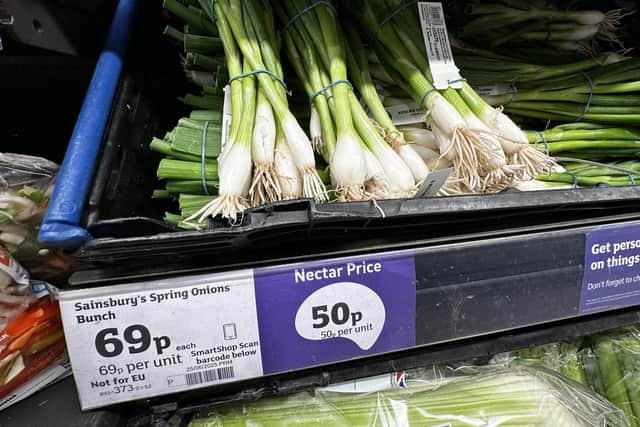

The Government believes the labels are likely to become unnecessary when the UK and EU finalise a new agrifood deal.
The labelling is required under the rules of the framework to ensure goods are not moved onwards from Northern Ireland into the rest of the EU.
The Windsor Framework, which replaced the Northern Ireland Protocol, means the region adheres to certain EU laws regarding goods.
Meat products shipped from Britain to Northern Ireland have required the labels since October 2023 and dairy products since October 2024 .
The final phase, which began on July 1 , includes eggs, fish, fruit and vegetables, some composite products and some other products.
The extension of the labelling was recently branded "bureaucratic madness" by the chief executive of Marks and Spencer , Stuart Machin , who said a new agrifood deal "can't come soon enough".
It is understood that the Government does not expect any products to become unavailable in Northern Ireland due to the new labelling regulations.
However, it is also to shortly finalise new contingency powers that would mean if it sees any adverse impact from the rules, it could enforce "Not for EU" labelling across the whole of the UK and remove any incentive for suppliers not to send products to Northern Ireland.
During a debate in the House of Lords on Monday night, a vote called by unionist peers on the Marking of Retail Goods Regulations 2025 couldn’t go ahead. There were not enough Lords in the Chamber for the matter to be voted on.
During the debate, UUP peer Lord Empey said “Labels cost money; it costs money to change the production lines. That can end up only with an increase to the customer who is buying the goods—nobody else is going to pay it”. He said the government had already spent £200 million building border inspection posts, and hundreds of millions of pounds on the trader scheme.