
Finucane Public Inquiry: Unionists say UK Government is creating a 'hierarchy of victims' as SDLP calls for similar probes
The announcement of a public inquiry into the murder of Belfast criminal defence solicitor Pat Finucane has prompted allegations that the UK government is creating a hierarchy of victims – as politicians question the Secretary of State’s claim that the case is “unique”.
The DUP and TUV both say that the decision creates a hierarchy among victims of Troubles-related murders – pointing to the obvious disparity between the resources given to this killing above thousands of others.
The Conservative opposition at Westminster also questioned the government’s claim that the circumstances of this case are “unique” – and warned of a precedent being set whereby public inquiries would become the norm.
Within minutes of the announcement, SDLP MP Claire Hanna had called for a similar approach in other cases – despite the Northern Ireland secretary claiming that it would not set a precedent for handling Troubles killings.
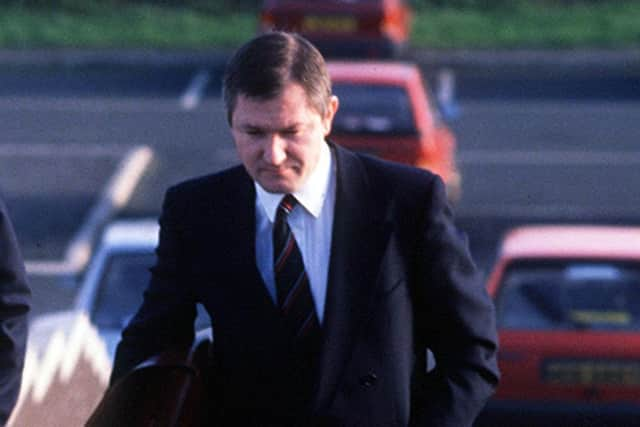

Hilary Benn made the announcement to the Commons on Wednesday afternoon, and claimed the probe will “avoid unnecessary costs” given the number of previous investigations and the material which already exists.
However, DUP leader Gavin Robinson said the granting of a public inquiry into the murder of Pat Finucane will heap further hurt on the families who have never had anyone convicted of their loved one’s murder. The East Belfast MP said: “The murder of Pat Finucane, like all murders in the Troubles, was wrong. In 2004, a man was convicted and sentenced for his role in the murder and more than £20m has been spent on investigations into this one murder. “The Secretary of State needs to understand that there are more than one thousand other families in the United Kingdom who have not had a fraction of the resource poured into the murder of their loved one.
“Indeed, the Finucane family were offered a Public Inquiry, but they rejected that offer as they disagreed with the 2005 Public Inquiries Act.
“We stand for truth and justice for every victim in the Troubles. Today’s announcement perpetuates a hierarchy and sends the message that this murder was more deserving of investigation than others.
“On days like today, we must remember that 60% of Troubles deaths were by republican terrorists and 30% by loyalists. Some who shout loudest about some killings during the Troubles may well be harbouring the truth about the murder of soldiers, police officers and other innocent victims.”
During his statement, Secretary of State Benn said given the “unique circumstances” in this case the only option was a public inquiry.
Conservative Shadow Secretary of State for Northern Ireland Alex Burghart asked the government to explain what the “unique circumstances” of this case were – and warned that it could set a precedent for dealing with Troubles-era murders.
Hilary Benn said the case was unique because of the “commitment given on two previous occasions” by the government that there would be a public inquiry. The Labour MP also said the length of the inquiry would “depend on how the inquiry unfolds”.
SDLP MP Claire Hanna called for a similar approach in other cases.
The South Belfast and Mid Down member called on the Secretary of State to “commit to the same swiftness and determination to removing the barriers” that are “placed in front of” other families in seeking justice. She cited “victims of Freddie Scappaticci, the family of Sean Brown and many many others”.
Hilary Benn said “each individual case” should be considered to “reach a sensible way forward”.
Mr Benn said he was aware that other families would ask “what about us” and said the government would have to provide “practical means of providing answers to all of those families so they feel their story can be told” – but reiterated his belief that the Finucane case was exceptional.
Alex Burghart also queried what a full public inquiry could do that the already established ICRIR could not. He said that the body was “excellent and effective” and asked for an assurance that the legislation creating the body would not be repealed.
Mr Benn said that he was “very clear” that he didn’t see the point in scrapping the ICRIR.