
Former top police officer warns Sir Hugh Orde's 'talk to dissidents' plan would send a message that 'violence can pay off'
A call from Sir Hugh Orde for authorities to consider talks with dissident republicans to end their terrorism is wrong – and risks reinforcing the idea that violence pays, a former special branch chief has said.
Jim Gamble was responding to the comments by the ex-PSNI chief constable in an interview with the News Letter, in which he said that physical force alone cannot defeat the dissident threat in Northern Ireland.
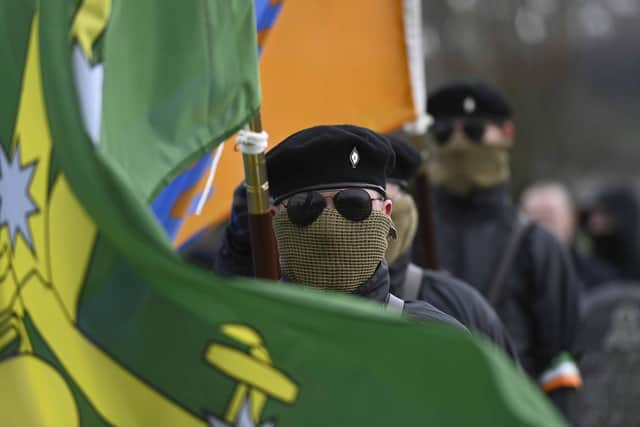

“There is clear evidence that if you want to bring terrorism to a conclusion, the only way you can do that is by talking,” Sir Hugh said.
But that approach has been rejected by Mr Gamble, a former head of the Royal Ulster Constabulary’s counter-terrorism branch.
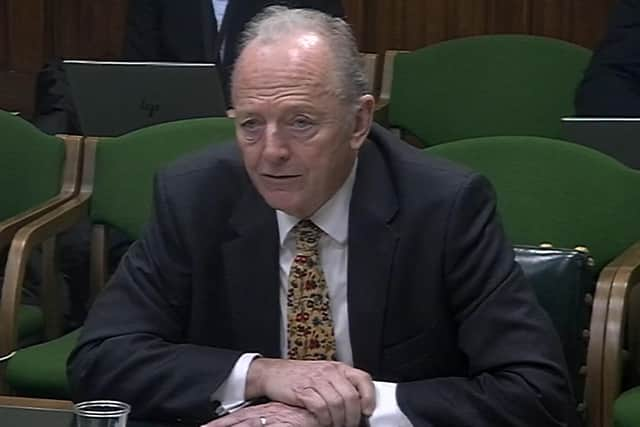
Writing on social media, Mr Gamble said: “I have a lot of time for Hugh, but this is wrong. The only place to talk to dissidents or residual loyalist terror gangs is in a police interview room or through the bars of a cell.
“We risk reinforcing a lesson too many in Northern Ireland know only too well: that violence can pay off. There is always an alternative. It is the law”.
Earlier this month, the first vice-chair of the Northern Ireland Policing Board said that it may be necessary to strike a deal with dissidents.
Denis Bradley told the BBC that “dissidency still retains the power to frighten people away” from joining the PSNI. The service has struggled to attract recruits from a Catholic and nationalist background, with the proportion of officers from that community significantly lower than in the population.
Speaking to the News Letter, Sir Hugh Orde was asked about suggestions that discussions should take place with dissidents, similar to the negotiations which took place with the IRA.
“The other bit of learning around dealing with the endgame of terrorism is that 99.9 recurring per cent are dealt with by negotiation. Physical force will not defeat an insurgency, and there are very few examples, if any”, he said.
Asked whether he believed that should happen in Northern Ireland, he backed the principle of engagement, while acknowledging that dissidents would have to be willing to participate.
“You're not going to end it in any other way. Now, whether they want to negotiate or not, of course, is a different issue. You can only negotiate with people if they want to negotiate”, the former PSNI chief said.
Speaking on the BBC’s Nolan Show, Jim Gamble – who now runs a child protection organisation – said Sir Hugh is “absolutely in the wrong place”.
“I think the real problem here is that negotiation doesn't simply seek to end violence. It can retrospectively legitimise it”, he said.
Mr Gamble said there is a difference between this issue and the approach to the Provisional IRA in the 1990s.
“The difference is, at that moment in time, not only were the IRA militarily defeated through the heavy level of infiltration and the losses they'd taken, not least in Loughgall, but they had developed a successful political alternative.
“The dissidents have never been able to do that. No one who inflicts an act of violence on anyone else, whether it's the bomb they tried to get across the border in the car in July, whether it's the attack on police stations or the murder of Lyra McKee – we should learn the lessons of the past.
“We traumatise and trigger trauma in so many people who survived the troubles here when they see people being legitimised, who once terrorised them and their community”, he added.