
Irish government funding for NI media a 'dangerous precedent' - UUP warning over 'interference' in press freedom
A €14m scheme aimed at furthering “all-island and cross-border media projects” – entirely controlled by the Irish government appointed media regulator – has prompted concerns about “interference” in Northern Ireland’s media industry.
Coimisiún na Meán (Ireland’s Media Commission) had claimed that the project is about harnessing the full potential of the Good Friday Agreement, but an Ulster Unionist MLA has questioned whether it is in line with the spirit of the 1998 deal.
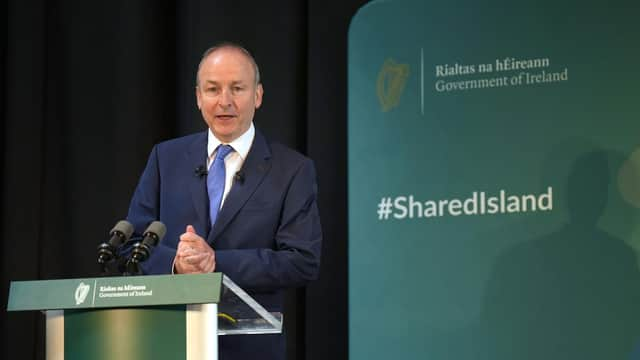

Diana Armstrong says the cash from Dublin sets a dangerous precedent and comes “with a clear political agenda” – describing it as “an all-Ireland marketing machine”.
In November, the Irish government announced it would spend €14m new “all-island and cross-border media projects and initiatives” under its Shared Island fund. It will be managed by the Republic of Ireland’s media commission – a body appointed by the Irish government and bound by Irish law.
Asked by Mrs Armstrong if the scheme “interferes with independence of Northern Ireland’s media” – Stormont’s first and deputy first ministers said their understanding was that it “aims to support new talent and capacity building in relation to cross border journalism and content, to enhance public understanding on issues of the day”.
Diana Armstrong told the News Letter: “Funding for media is welcome, but when it comes from another jurisdiction with a clear political agenda, it raises serious concerns. The €14 million Shared Island Media initiative is framed as supporting cross-border journalism, yet does this truly align with the spirit of the Belfast/Good Friday Agreement and the principles of a free press?
“Any scheme that incentivises outlets to adopt an all-island editorial stance to secure funding risks undermining those principles. It sets a dangerous precedent, shaping public discourse toward an all-Ireland narrative rather than reflecting Northern Ireland’s distinct identity.
“It is fair to say that some journalists may feel pressured to frame stories through a united Ireland lens to access resources. That cannot be ignored. Media independence is vital to our peace process, and funding tied to political objectives compromises that balance.
“It is also puzzling to see the deputy First Minister’s joint response with the First Minister to my question. It was almost a shrug of the shoulders approach from someone who traditionally opposed such language, yet now echoes terms associated with united Ireland advocates. This shift deserves scrutiny. Having delivered an Irish Sea border, is the DUP now content to deliver an all-Ireland marketing machine?”
The News Letter understands that the fund will be open to UK public broadcasters, such as the BBC and ITV – and will encourage all-Ireland TV co-productions with RTE.
A significant proportion of BBC Northern Ireland’s factual output is already co-produced with RTE, but the corporation says it has not had any conversations with the Irish regulator about funding. BBC NI says its content is often made by independent suppliers, who will sometimes fund productions through a range of backers – but the BBC does not apply directly to third parties for funding.
The News Letter also asked Coimisiún na Meán if it will work with its UK counterparts in Northern Ireland, such as Ofcom – and whether it will be on a partnership basis. The Irish regulator had said it will work with “Northern Irish partners” to “support them in advancing and delivering valuable media literacy Initiatives” - and aim for “an agreed media literacy project”.
We also asked if any UK regulators or public broadcasters would be involved in this process, and what the ethos underpinning the initiatives will be. A spokesperson said: “Coimisiún na Meán are in continued discussions with the Department of the Taoiseach and Department of Culture, Communications and Sport, and with relevant stakeholders in Northern Ireland, on the operation of the Shared Island Media Fund, and we expect to announce further details next year”.
However, it is understood the Irish authorities will retain full control of the scheme.
In a press release launching the fund, Coimisiún na Meán’s Media Development Commissioner Rónán Ó Domhnaill said: “Through support for cross-border journalism, all-island media literacy and collaborative new broadcast content, the Shared Island Media Fund will play a crucial role in supporting a shared future for all communities on the island.”