
Lough Neagh blue green algae crisis: 'Victimisation' of farmers won’t solve problems, says DUP agriculture spokesperson Carla Lockhart
Upper Bann MP Carla Lockhart has accused the minister for agriculture and his department of an "ongoing anti-farming agenda" despite being responsible for "the promotion and growth" of agriculture in Northern Ireland.
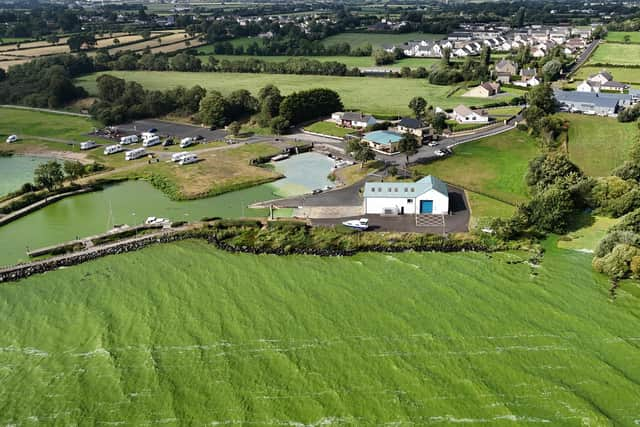
Most of Lough Neagh has been once again blighted with toxic blue-green algae this summer.
Experts say the main causes are farming fertiliser and slurry, untreated sewage leaks, agri-processing factories, invasive Zebra mussels, leaking septic tanks and climate change.
However the Ulster Farmers Union has protested that pollution from farmers has dramatically dropped over the past twenty years, and accused Agriculture Minister Andrew Muir of singling them out unfairly for radical restrictions compared to other sectors. Their view has also been echoed by Friends of the Earth.

Now DUP Agriculture, Environment and Rural Affairs spokesperson Carla Lockhart has picked up the same message.
“The Minister must stop pointing the finger of blame solely at agriculture as he strives to save Lough Neagh,” she said in a statement.
“This isn’t a new problem and it certainly isn’t isolated to Northern Ireland or GB. Cyanobacteria or blue-green algae is a naturally-occurring type of photosynthetic bacteria found worldwide, even in colder continents such as Antarctica.
Blue green algae was first identified in Lough Neagh in 1967, she said, and was identified by experts as an ‘ecological timebomb’ at that time.
Figures from the NI Statistics and Research Agency show that farming was responsible for only 32% of substantiated water pollution incidents in 2024, she added.
The remaining 68% came from NI Water, industry, domestic and other sources, she said.
There is no accountability for leaking septic tanks, she argued, nor the abundance of phosphorus containing household cleaning products and detergents that are poured down drains on a daily basis.
"The 20 million tonnes of raw sewage discharged annually into our waterways by a government agency is disgraceful and unacceptable."
She contended that many statistics quoted to "demonise" agriculture are a result of "guesswork and desktop modelling exercises" which are "heavily disputed by industry stakeholders".
DAERA's own figures show that over the last five years phosphorus pollution levels from farming have fallen by 29%, she added.
Recently Mr Muir publicly castigated the Going for Growth programme run by his own department for twenty years from 2012. The strategy created dramatic growth in agri-food factories but was followed by a surge of 55% in phosphorus pollution levels.
However Ms Lockhat questioned how the strategy could have had such an impact, as livestock figures showed "a significant downturn" in this period.
Instead she pointed the finger at rising population and urbanisation, which she said is putting "a huge strain" on our outdated sewage systems.
Lake Windermere has also encountered algal blooms. Interestingly, scientists have attributed the ecological damage to climate change and heightened levels of phosphorus from human waste and detergents. Treated sewage has also been a key contributor."
She concluded by claiming that the key answer to the problem is to stop discharging treated and untreated sewage into waterways.
In May the minister blasted NI Water as "corporate polluters" and said a 2007 legal deal giving them protection from prosecution because of historical underinvestment should be scrapped.
He is in talks with the Department for Infrastructure and NI Water over dropping the deal.
A DAERA spokesperson responded: “Minister Muir has refuted the inaccurate assertion that he is victimising farmers in relation to Lough Neagh. DAERA is led by science and evidence, drawing upon expertise and facts is required to solve the ecological crisis at Lough Neagh.
“The Minister has repeatedly said in interviews there are a combination of factors that have contributed to the disastrous situation in Lough Neagh and he has been unstinting in not singling out agriculture.
"Protecting Lough Neagh is one of the nine key priorities in the Programme for Government and this is being taken forward through the Lough Neagh Action Plan which recognises the challenges arising from wastewater and septic tanks, as well as agriculture.