
Northern Ireland Veterans Commissioner says Government decision to challenge findings against SAS at Clonoe are 'absolutely necessary' because of the 'outrage' among veterans
The Veterans Commissioner says the Government decision to challenge findings that the SAS used excessive force when they killed four Co Tyrone IRA men was “absolutely necessary” because of the “outrage” among the veterans over the outcome.
In February Northern Ireland’s presiding coroner, Mr Justice Michael Humphreys, found that the SAS soldiers did not have an honest belief in the necessity of using lethal force and that it was unjustified and not reasonable when they killed the four IRA men in 1992.
The SAS killed Kevin Barry O’Donnell, 21, Sean O’Farrell, 23, Peter Clancy, 19, and Daniel Vincent, 20 – minutes after they had carried out a gun attack on Coalisland RUC station.
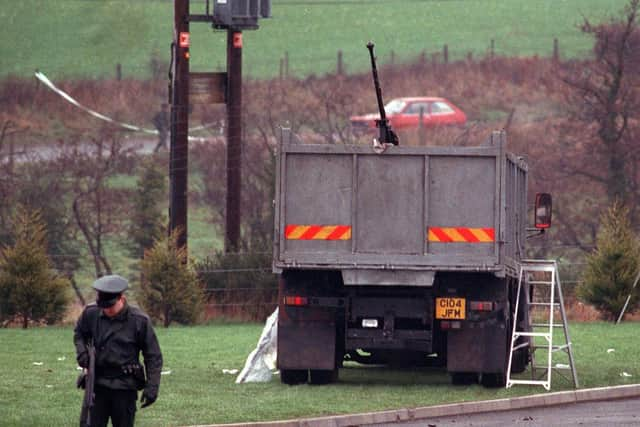
The special forces opened fire as the men arrived at St Patrick’s Church car park in Clonoe in a stolen lorry.

On Friday, Conservative MP James Cartlidge said he had received confirmation from veterans minister Alistair Carns that the Government would challenge the findings.
The minister said: “We owe a great deal to them [veterans], and I will continue to champion their cause as we deal with Northern Ireland’s legacy.”
In a statement yesterday NI Veterans Commissioner, Mr David Johnstone said many veterans believe there is a deliberate strategy by the republican movement to use the legal system to “demonise” the security forces.
“The so called ‘armed struggle’ may be over, but 27 years on from the Belfast Agreement in 1998, veterans are now being pursued through the legal process, in what many feel is “legal warfare” in an attempt to re-write history and deflect from the facts that 9 out of every 10 deaths, during the Troubles, were carried out by terrorists,” he said.
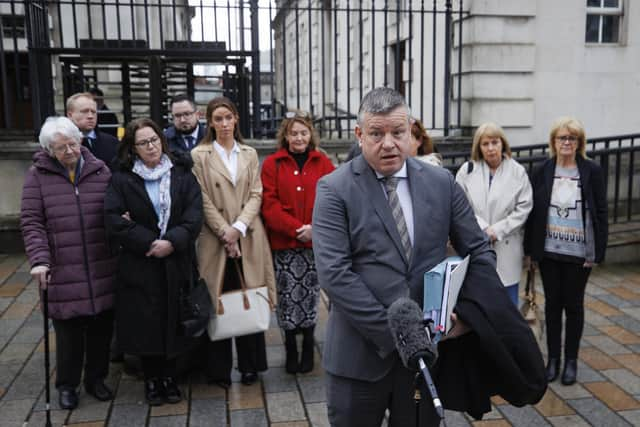
Speaking on the Nolan Show yesterday, Mr Johnstone said the challenge was “absolutely necessary” because there has been “outrage among the veterans community” over the findings.
He did not see anything in the coroner’s findings that proved the soldiers set out to take life in every circumstance, he said. But the context of the operation, he said, was that it was dark, “there are armed terrorists who have just carried out a terrorist act and they've just tried to murder policemen in the nearby police station”. He also noted they were armed with a heavy-duty anti aircraft gun.
Mr Johnstone emphasised that the rules of engagement fully justified the SAS soldiers to open fire without issuing a warning to the IRA - because it allows a soldier to do so if they believe they or others are under immediate threat.
Former Sinn Fein MP Franice Molloy also appeared on the show, being pressed on why Sinn Fein expect rules of engagement when the IRA just killed “anything they could see” in any way of British security forces, strapping bombs to civilians, planting bombs in city centres which put the elderly and children at risk.
But Mr Molloy accused him of “going on a rant” and said he was on the show to “discuss the inquest and why the British government are trying to reverse the decisions of the corner”.
He noted that the SAS shot IRA man Sean O'Farrell in the back when he was across the road from the church and then after he was incapacitated, shot him in the face, which he described as “vindictive”.
Mr Nolan pressed the former MP on whether he knew of many IRA operations where the terror group detained police officers or soldiers, questioned them “and then made sure they got back safely to their wives and children”.
Mr Molloy replied: “No, as I say, I don't know the situations that actually happened on the ground, but what we are talking about here again is the legal situation. The coroner has made a judgment. The British government refused to accept that judgment, and [is intent on] reversing that.”