
Omagh Bomb Inquiry: Dublin High Court hearings to be closed to media and public
The Irish Department of Justice has confirmed that neither the media nor the public may attend Dublin court hearings about the Omagh Bombing – and it will not publish any transcript of what is said.

Relatives of those killed may attend – but their lawyers are not permitted to ask any questions.
Instead, Irish officials will be questioned on what they know by an Irish High Court Judge.
The legal representative of the Northern Ireland inquiry chairman will not be permitted to ask his own questions – but only to ask for clarifications on answers already given.
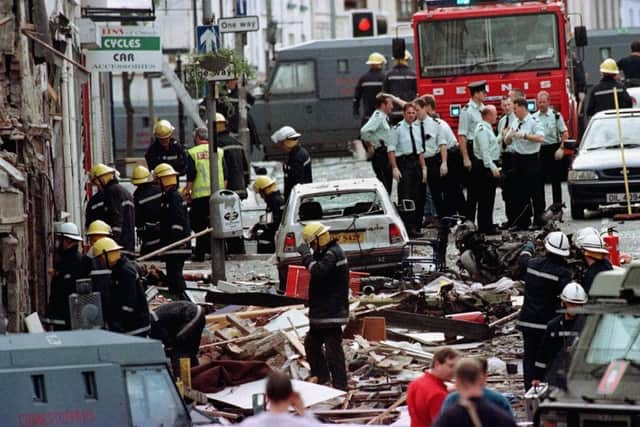
The dissident republican car bombing in Omagh on August 15, 1998, killed 29 people.
The bomb was built in the Republic of Ireland, the car used was stolen there, and those behind it fled there afterwards.
In 2021, the Belfast High Court recommended the UK and Irish governments hold inquiries into whether it was preventable. The UK agreed, but Dublin refused, instead promising to cooperate with the NI inquiry.
However, Kevin Skelton, whose wife Philomena was killed, said last week that he was “finished” with the Belfast inquiry after a senior Garda officer gave evidence by pre-recorded video.
He said the families submitted 53 questions and only around two were answered.
The News Letter asked the Irish Department of Justice if the expected Dublin hearings would be closed to the media and Omagh families.
A spokesman said special new southern legislation allows survivors, families of victims, their legal representatives and UK authorities to attend any Dublin evidence sessions.
However, these “will not be open to the media or other members of the public”, he said.
The transcript of the oral evidence will be provided by the judge to the Belfast inquiry.
“It will be a matter for the inquiry chairman to decide whether to publish it in like manner to other evidence heard by the inquiry,” he added.
The “innovative” legislation will allow serving and retired Gardaí, members of the Defence Forces, departmental officials and former ministerial office holders to give evidence. It also enables the NI Inquiry to ask questions – but only to clarify answers already given to the Irish judge.