
Police Ombudsman to publish report on RUC/PSNI investigation into Kingsmills Massacre: Families reiterate that ten victims were murdered by IRA


With a Police Ombudsman’s report into the Kingsmills Massacre due tomorrow, victims have reiterated the core fact that the ten victims were murdered by the IRA.
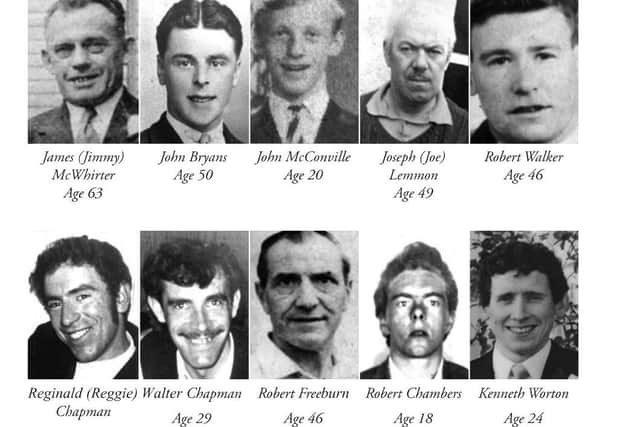
Ten Protestant workmen were shot dead when an IRA gang ambushed their minibus near Kingsmills in south Armagh in 1976.
The killings were described by the coroner at the legacy inquest into the atrocity last year as an “overtly sectarian attack by the IRA”.
A legacy inquest dragged on from 2014 until 2024 - primarily because the Irish authorities failed to cooperate.
The coroner said that despite ten years of appeals, the IRA failed to engage and there had been "no acknowledgement by the IRA of the utter wrongness of the atrocity, its impact on those bereaved or the damage caused to the entire community".
Victims' families lodged ten complaints with the Ombudsman even before the inquest opened - in April and May 2013.
The Ombudsman said its report – due tomorrow (Tuesday) – "considered complaints which included allegations of investigative failings and collusion, as well as whether action could have been taken by police to help prevent the attack".
The IRA has never accepted responsibility and nobody has ever been charged.
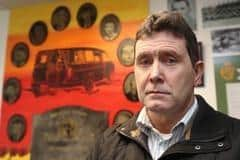
Sole survivor Alan Black, who was shot 18 times, has expressed suspicions that state agents were involved.
"Of course it was the Provos that carried out the attack," Mr Black said.
"But the police did not follow up and pursue them. That was because, in my opinion, they were told not to do so."
He suggested that a deal was struck that the IRA would not carry out another such atrocity if the killers were not pursued.
In his findings last year, the coroner found that allegations of collusion were "unevidenced and unhelpful conspiracy theorising".
RUC officers from the original investigation were quizzed at the inquest about apparent failures in their work.
They counteredt that in 1976 they were overwhelmed by murders and that investigative protocols were undeveloped.
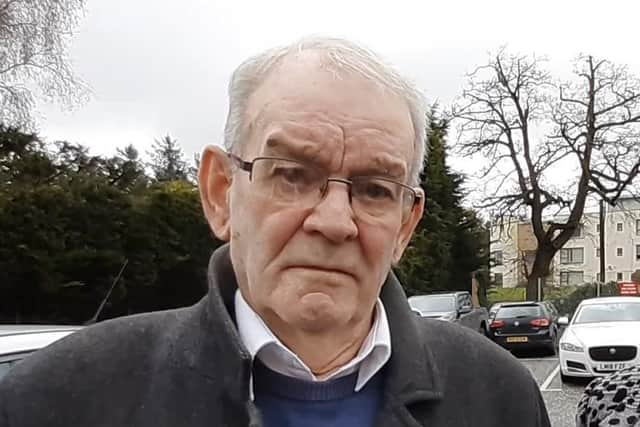
Colin Worton's brother, Kenneth, was one of those murdered at Kingsmills.
"It was the IRA that carried out the murders," he said. "We are not taking away from that. But I still believe that the police could have brought those murderers to justice.
"There were only about 12 or 14 detectives brought in for a mass murder. They said they were under severe pressure with other murders, I still think they would have had more resources than that compared to today."
During the inquest, former detectives said they were reluctant to arrest IRA suspects because they would not answer any questions - and that police questions would only betray intelligence.
The IRA attack was planned from the south, two vehicles used were hijacked there, the top three suspects lived in the Republic and four weapons used were recovered in Co Louth.
The coroner pressed the Garda for information about these issues for nine years until finally, Irish authorities held a closed hearing in Dublin where a Garda officer answered 77 questions. The answers will never be made public.
In 2017 the inquest heard that the cap of an IRA man linked to Kingsmills had been found in archives which contained two hairs. DNA tests were carried out and a report was provided to the coroner, however, the results have never been made public.