
Push to undo block on Armed Forces Covenant at Belfast City Council
Attempts to undo a nationalist block on the Armed Forces Covenant are due to come before Belfast City Council this week, in what could be the last chance to get help for veterans accepted by the body.
Earlier this year the covenant, a set of pledges providing help for veterans struggling to adjust to civilian life, was thrown out by the council by a single vote due to Nationalist opposition.
Originally the council had agreed to adopt the covenant, a move supported by Unionists and Alliance that was passed at the start of January.
But the idea was rejected by Nationalists, who used equality tests concluding it would have a “minor impact” to justify overturning the previous decision.
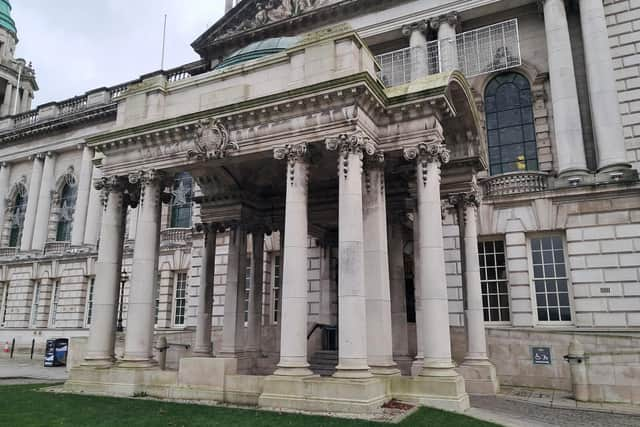

That rejection, passed by a single-vote majority in February, has been called in by the DUP and is due to come back to the council at a meeting specially set up to hear another debate on the covenant this Wednesday afternoon (28th).
The call-in procedure allows politicians to ask for outside legal advice on a decision they feel may have been reached improperly.
In this case, the DUP’s argument rests on the amount of times the Armed Forces Covenant bounced between committees and the full council.
Initially put before the Standards and Business Committee in November last year, the covenant was sent to the Strategic Policy and Resources Committee the following month, at which point it was rejected.
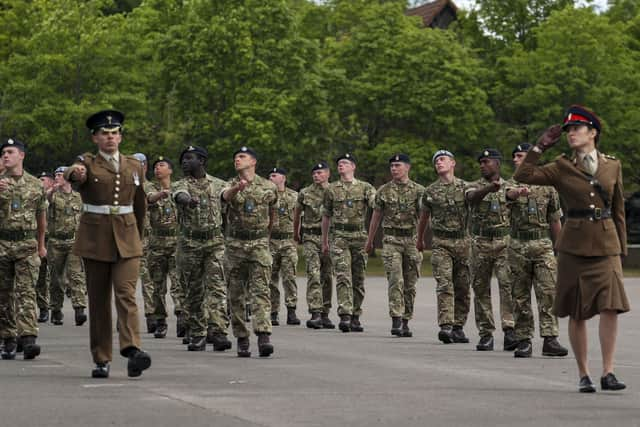
That rejection was overturned and the covenant approved at full council meeting in January, sending it back to the Strategic Policy and Resources Committee for an equality screening that concluded signing up would have a “minor impact”. Nationalists used that screening verdict to justify voting the covenant down a second time, which was then rubber-stamped by the full council in February.
The DUP now argue that the Standards and Business Committee shouldn’t have sent the covenant to the Strategic Policy and Resources Committee in the first place last year, and also it shouldn’t have been sent back to that committee in January after the full council overturned the initial refusal.
Those points will form the crux of Wednesday’s debate – though legal opinion received by the council is that there aren’t any obvious procedural problems with the covenant saga, and even if any do exist they likely wouldn’t make a difference as the council had the opportunity to fully discuss the idea of signing up to it.
The covenant is an attempt to ensure veterans are treated fairly in civilian life, and sets out pledges to make sure ex-military personnel aren’t disadvantaged when it comes to accessing housing, health care, education and employment. It also recognises that some veterans, especially the injured or bereaved, may need special treatment in those areas.
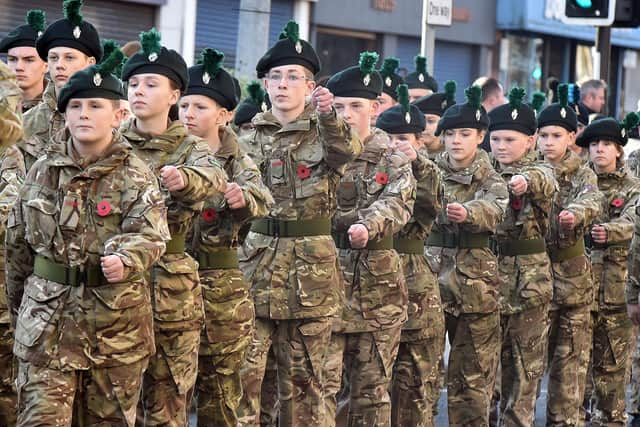
The “minor impact” identified by equality tests came about as officials concluded the legacy of the Troubles “is still very much evident in some areas throughout Belfast and the signing of the Armed Forces Covenant may be a divisive issue”.
During February’s debate, 29 nationalist councillors voting to reject helping veterans, while 28 unionists were in favour and two Green politicians abstained citing their anti-war principles.