
Toxic blue green algae discovered in Co Tyrone Lough, confirms DAERA
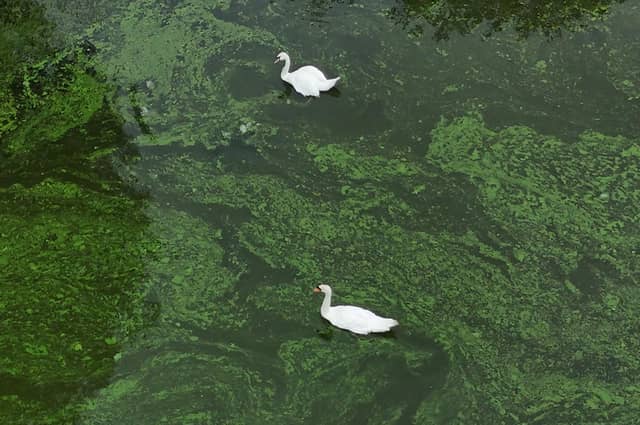

Toxic blue green algae has been found in the water at Martray Lough in Ballygawley in Co Tyrone.
It comes after conservationists posted video footage online on Monday to highlight the return of the algae to the shores of Lough Neagh after the warmer weather.
In summer 2023 toxic blooms first covered large parts of Lough Neagh and affected other waterways and linked beaches, returning again last year.
Contributing factors are believed to include nitrogen and phosphorus from agricultural fertiliser running off fields, the spread of the invasive zebra mussel species, climate change, outdated sewage treatment systems and a surge in outputs from government backed corporate factory farms since 2012.
Sinn Féin Councillor Gael Gildernew issued a statement on Thursday confirming potentially toxic algae in the water at Martray Lough in Ballygawley.
The Clogher Valley Councillor said: "Potentially toxic algae has been identified in the water at Martray Lough in Ballygawley.
"This is very concerning from an environmental perspective. I would urge people to follow the guidance where advised, as signs have been erected warning people not to enter the water or allow their pets to do so.
"In the meantime, I will remain in contact with the Northern Ireland Environment Agency for regular updates on the conditions at Martray Lough and on what is being done to aid its recovery."
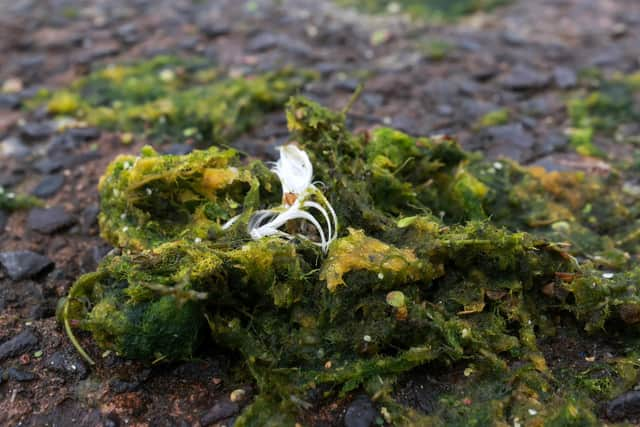
A spokesman for the Department of Agriculture, Environment and Rural Affairs confirmed the presence of the algae in the Ballygawley Lough. He said: “It is disheartening that algae-blooms are present in Martray Lough. To date NIEA has received no reports of blue-green algae from Lough Neagh.
“Minister Andrew Muir is on record a number of times saying that there are no quick fixes to the issues in Lough Neagh, with problems decades in the making and decades in the fixing.
"It is therefore unfortunately no surprise that we are beginning to see algae-blooms re-appear again this year, particularly with the good weather.
“The severity and scale of the problem we will be facing this summer will be dependent on a number of factors. Work is well underway to tackle the problem through the Lough Neagh Action Plan and the Minister is determined to turn the tide on water quality, but we know that this will be a long-term endeavour."
He said the NI Environment Agency encourages members of the public to report a suspected bloom through the Bloomin’ Algae App or email [email protected] with a photo, if possible, and details on the location.
All reports of blue-green algae can be viewed on the DAERA Blue green web viewer online.
NIEA will continue to record events and review any significant increase in bloom numbers.
Minister Muir told today’s Agriculture committee at Stormont: “Spring should be about renewal not news reports of blue-green algae. Significant work is already underway to tackle the nutrient overload in our rivers, lakes and loughs. I will continue to lead and seek support for the tough decisions needed over the time ahead to improve our waterways and tackle Climate Change”.
On Monday a concerned member of environmental group ‘Save Our Shores, Protect Lough Neagh and our inland Waterways’ Thomas McElhone lamented the return of the algae to Lough Neagh.
"As predicted, a couple of nice days and this poison is on our shores again," he said.