
Troubles legacy: Terrorist commanders must be named and convicted, says MLA


Paramilitary commanders who ordered terrorist atrocities during the Troubles need to be tracked down, exposed and brought to justice.
That’s according to MLA Doug Beattie, who argues the names and actions of people who ran terrorist organisations need to be “widely publicised” in dealing with legacy issues – whether they’re alive or dead.
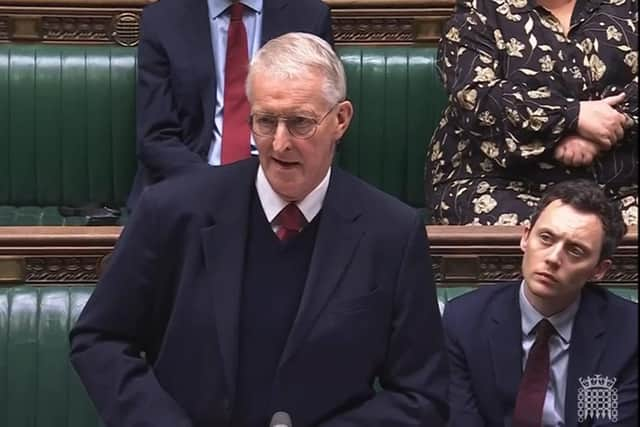
Reacting to Tuesday’s unveiling of a new legacy bill by Secretary of State for Northern Ireland Hilary Benn, Mr Beattie complained that successive UK and Irish governments have failed to “go after those who directed terrorism” behind the scenes.
“It is right and proper to hold those who fired the bullets or planted the bombs to account, but we believe it needs to go further,” he said. “We need to track down those who sent these terrorists out to maim and murder.
“That forensic piece of work should not hide from putting names in the public domain and using the full force of the law if they are alive or, in the case they are dead, to ensure their part in directing terrorism many is well documented.
“The Secretary of State must now be crystal clear about what [new Troubles legacy] legislation is going to achieve for victims in the short, medium, and long term.”
The joint UK-Irish framework introduced on Tuesday includes commitments to significantly restructure an investigation and truth recovery body, the Independent Commission for Reconciliation and Information. It will be renamed the Legacy Commission.
Part of the legislation will lift prohibitions on Troubles-related inquests and civil cases in UK courts.
The draft legislation also contains measures designed in response to concerns raised by military veterans about previous legacy processes.
These protections, which are not part of the joint framework, include provisions for witnesses to give evidence remotely without travelling to Northern Ireland.
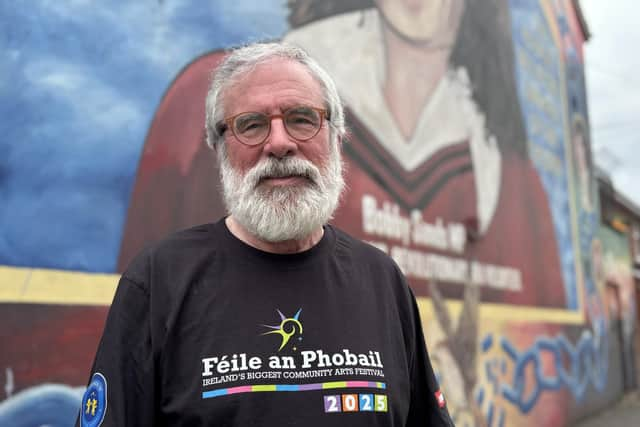
The bill further includes provisions designed to stop former Sinn Fein president Gerry Adams seeking compensation for being interned in the early 1970s – something Mr Adams decried, while accusing the Irish government of “colluding” with Westminster over the block.
DUP Leader Gavin Robinson called on the government to confirm that Attorney General Lord Hermer, who represented Mr Adams in a damages claim brought by victims of IRA bombings, would not be involved, stating it “would be wholly inappropriate” given “the clear conflict that exists”.