
Ulster Unionists express caution over PSNI's 'live' discussion over an apology to gay people for historic treatment
Police should apologise for unfair treatment of gay people in the past – but not for upholding the laws of the time, the UUP deputy leader has said.
Diana Armstrong’s comments come after the Police Service of Northern Ireland’s assistant chief constable Bobby Singleton said the issue of an apology was a “live” issue in the force.
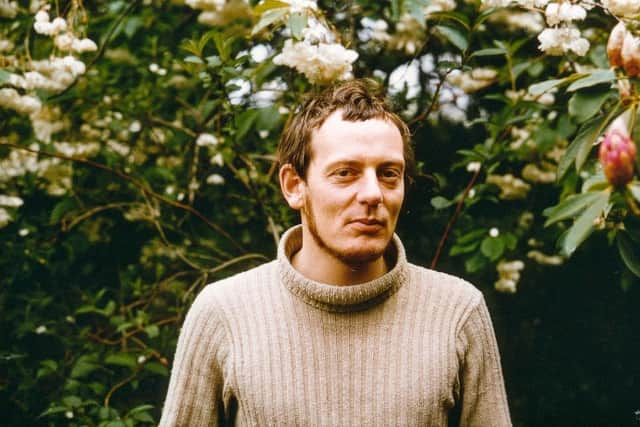

Homosexual acts between men were illegal until 1982. Civil rights campaigner Jeff Dudgeon took the UK government to court to decriminalise homosexuality and won.
His home had been raided by police, who confiscated letters and diaries and interrogated him about his sexual life.
He has warned any such apology would be “unwriting both the law and history”.
Lesbians were not criminalised, nor were transgender individuals unless they were both men. Despite that, the PSNI and other organisations have routinely spoken of an apology to an umbrella of sexualities and identities, sometimes referred to as the LGBTQIA+ community.
The issue of an apology arose at Belfast Pride event attended by the PSNI’s ACC Singleton almost a fortnight ago. The BBC reported that he said the idea of the PSNI issuing a formal apology over historical treatment of the ‘LGBT community’ was a “live” issue being discussed.
“You could say well, the police service was only enforcing the law of the land, but calling things your job doesn't make it right,” he said, adding that “the apology issue is a live one”.
UUP MLA Diana Armstrong told the News Letter: “Where members of the gay community suffered discrimination or unfair treatment at the hands of the police, that should be acknowledged and, where appropriate, apologised for. But there’s a real distinction between apologising for unfair treatment and apologising for officers lawfully upholding the law of the time.
“Any apology must be carefully considered, evidence-based and historically accurate, acknowledging past wrongs without retrospectively condemning individual officers for doing their lawful duty.
“Energy is better spent looking forward: delivering first class, fair policing for every community in Northern Ireland.”
Jeff Dudgeon, who later served as an Ulster Unionist councillor, has also raised concerns about what any apology by the PSNI would entail.
“The question of an apology for the historical treatment of LGBT people which Bobby Singleton says is ‘a live issue’ in the PSNI is problematic.
“He says that even though the police ‘were enforcing the law at the time...your job doesn't make it right’. But this is unwriting both the law and history.
“An apology for enforcing the law at the time is meaningless. Learning a new way of approaching minority communities especially one that had previously been criminalised takes time but in my experience in the 1980s and 1990s the RUC (and later the PSNI) did reconsider their approach after many discussions, and largely succeeded in the transition.
“The problem then and again today is that the police can too easily succumb to public pressure and lose sight of their role in enforcing the law fairly and proportionately”, he told the News Letter.
Speaking at the Belfast Pride event DCC Singleton also discussed the force’s decision, led by him, to be the first UK police force to stop marching in Pride parades.
However, he came in for criticism after saying that decision was the most difficult issue he was involved with in his career. UUP leader Jon Burrows said it was “understandable that some eyebrows have been raised about this comment, given the life and death decisions police officers make and the trauma they encounter”.
DCC Singleton had also said the PSNI continued “to play a vital role in protecting and balancing everyone's right to protest including at Pride” and said claims that PSNI attendance at the event was a PR stunt were nonsense.
“Our participation in this and other pride events is as I said yesterday for three reasons - out of respect for and to engage with the community, as a service that is representative of that community to demonstrate the pride we feel in our amazing LGBTQIA colleagues”, he said.
Reflecting on the PSNI’s decision to withdraw from Pride, Jeff Dudgeon told the News Letter: “There was a moment when Pride was a carnival not an identity parade and historic animosities to gays were being replaced with respect.
“It was then appropriate for the PSNI to participate. But this could only be for a short period of time or the police would be compromised”.