
Ulster Unionists 'won't allow farmers to be scapegoated' over Lough Neagh crisis
Farmers should not be blamed for the “institutional failures” of NI Water over Lough Neagh, and the Ulster Unionists will not allow the industry to be “scapegoated”, party members have been told.
The party conference in Belfast on Saturday also heard that the UUP is committed to ensuring clean water and environmental responsibility, but that farmers were being blamed for the institutional failures of others.

The party’s new communications chief Lewis McVitty told delegates “we will not allow our farmers to be scapegoated”.
“We will not allow their livelihoods to be sacrificed, to be blamed for the institutional failures of NI Water, a company that dumps 20 million tons of untreated sewage and waste water spill into our waterways annually. Blaming farmers is too simple, farming is only but one spoke on a very large wheel impacting the Lough.
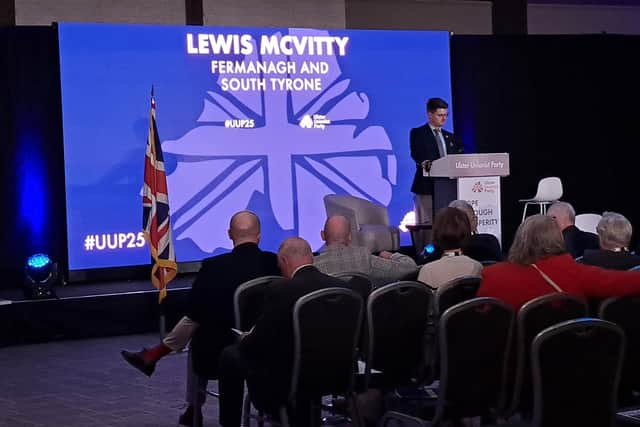
“This isn’t unique to Northern Ireland this is global problem. Let’s fix the system. Let’s hold the right people accountable. And let’s stop vilifying those who feed us”.
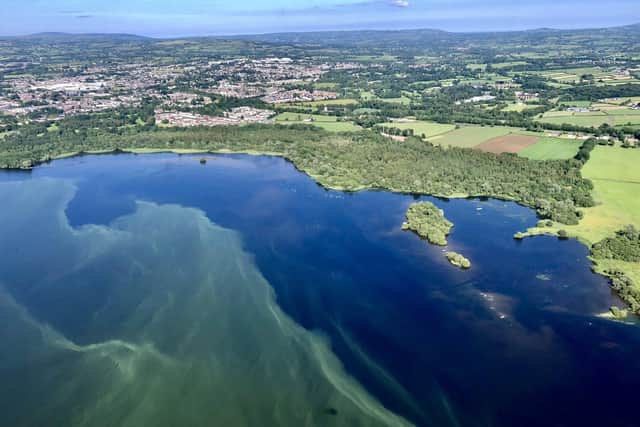
Stormont’s agriculture department (DAERA) cites pollution, climate change and zebra mussels as the three major contributing factors to blooms of toxic blue-green algae in the lough. The pollution is caused by excess phosphorus and nitrogen from agriculture, wastewater treatment works, domestic systems and industry entering waterways in the lough’s catchment area.
The Executive’s Lough Neagh action plan cites a 2020 report attributing high phosphorus levels in NI waterbodies as coming from agriculture – 62%, wastewater treatment works – 24% and septic tanks – 12%. It says provisional studies on Lough Neagh follow “a similar pattern”.
Stormont’s Lough Neagh strategy also says it is “widely recognised that the intensification of agricultural production” has had negative impacts on the environment.
But Mr McVitty told the UUP faithful that Stormont’s current proposals to deal with it – the Nutrient Action Plan – risk “doing more harm than good”.
“No one disputes the need to protect our waterways. Lough Neagh and our rivers are vital to our ecosystem, our communities and our economy, but the proposals that are on the table risk doing more harm than good, especially to the very people who have been the stewards of our land for generations”, he said.
He added that devolution must deliver for farming – and that the Ulster Unionist Party would “make that a reality”.