
Ulster University graduate tells of losing firefighter father in 911 attack
A woman whose father died in the 911 attacks in New York says her experience of Northern Ireland has taught her that victims must be included in political settlements "rather than simply being remembered after the fact".
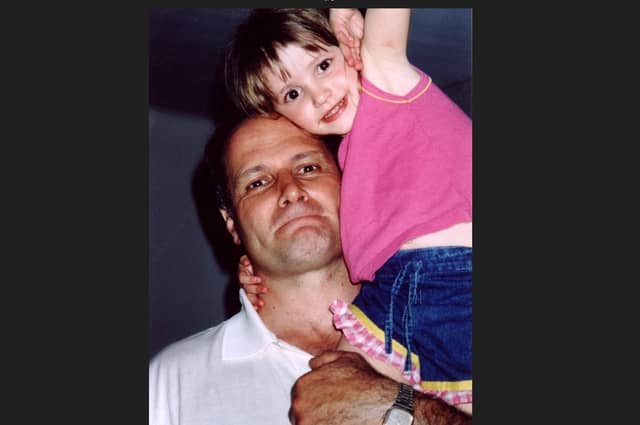

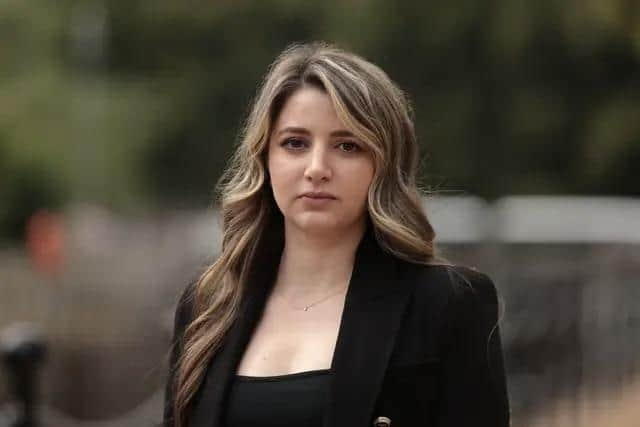
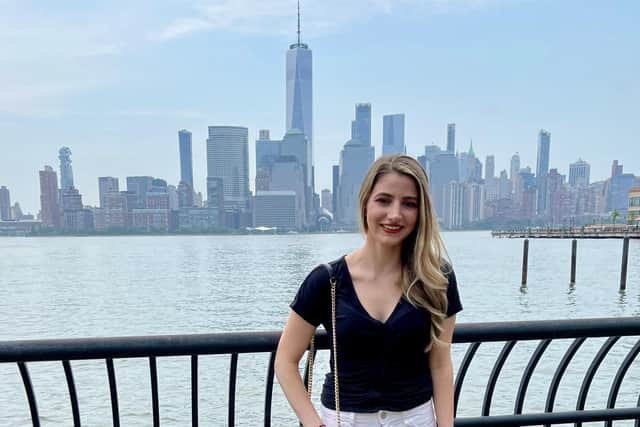
Juliette Scauso, now aged 29, was only four when her father Dennis, a New York firefighter, ran into the Twin Towers to evacuate the public - and never came back.
The only trace of him the family ever recovered was his mangled helmet. He was just 46.
Having studied at Ulster University, she is also an advocate for 9/11 victims and has just started working as a doctor in Edinburgh.
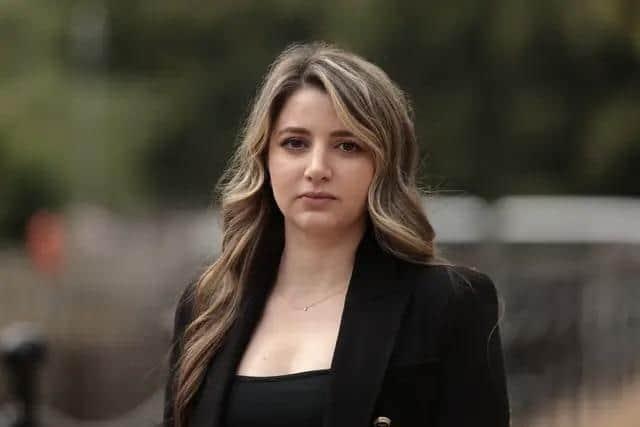
"My father wasn't actually supposed to be working that day," Juliette told the News Letter. "He had traded shifts so that he could earn overtime to take my mother on the Hawaiian honeymoon they had always dreamed of."
After the first plane struck the North Tower, her father responded immediately.
"My father went into the building to help with the evacuation and never came home."
They did not have a coffin and she has no grave for her father.
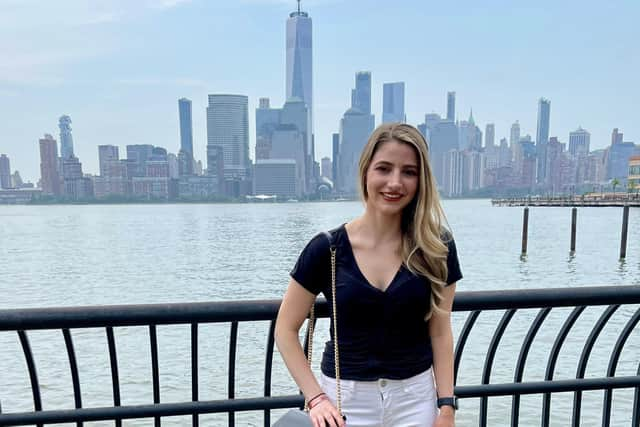
"For us and many families there was nothing to put in the coffin and no grave to visit.
"Our 'grave" is a world famous tourist attraction. The only time I go down there is the night of the 10th or on the 11th when it’s quiet or closed to the public, otherwise it’s too difficult with tourists taking selfies and the crowds."
She does not have memories of her father as many other people do.
" I have photographs, stories and memories that other people have given me. I have some memories and vivid memories of that day and the weeks that followed. He was a devoted husband and father, but also a firefighter, pilot, mechanic and animal rescuer who loved jazz and Frank Sinatra.
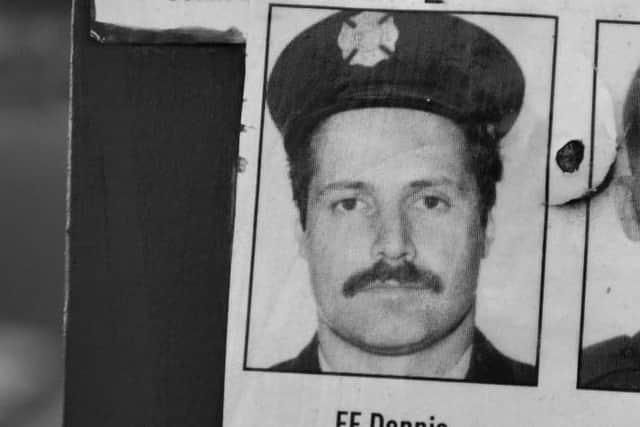
"He made us Mickey Mouse pancakes and fixed our broken toys with duct tape. Those ordinary details are important to me because they remind us that he was a person with a whole life, rather than simply one of the 2,977 names.”
“What I know about him is that he was incredibly devoted to his family and to his work. He was the kind of person who would give you the shirt off his back.
"His colleagues described him as someone who ran toward danger when everyone else was trying to escape it. He understood the risks of his job, but he still went into the building that morning because helping people was what he believed he was there to do.”
Not recovering his body has had a major impact on their grieving.
"There is something uniquely difficult about having no physical remains to bury and no definitive final moment. We were given his damaged helmet in early 2002 when it was recovered, but never had the closure of bringing him home. Grief doesn't disappear; you learn how to carry it."
"As I got older, my grief also became a form of advocacy. I have been involved with the 9/11 community for many years, particularly in our efforts to pursue accountability for those who facilitated or supported the attacks."
The 25th anniversary of 9/11 is, for her, a mixture of remembrance, grief and frustration.
"Twenty-five years is an enormous amount of time, but it doesn't make the loss less significant. My father has been gone for 25 years, yet I have continued to reach milestones he was never here to see - graduating from medical school, moving abroad and beginning my career as Dr Scauso. To be the first ever to put Dr in front of our family name is something I know would have made him immensely proud."
Her time studying in Northern Ireland had a significant impact on how she looks at her own experience.
She first came when she was 16 on an exchange for terror victims and was "genuinely shocked" by the scale of the Peace Walls between the Shankill and Falls.
"My own experience of 9/11 had always been that of an outside terrorist attack on my community. But Northern Ireland showed me what happens when political and sectarian conflict becomes embedded within communities over generations."
When she returned to Belfast in August 2025, seeing the Peace Walls still intact was "incredibly striking".
"It reminded me that ending violence isn't necessarily the same thing as achieving reconciliation. The Good Friday Agreement was an extraordinary political achievement, but the physical and psychological legacy of the Troubles demonstrates how long it can take for societies to move beyond conflict.
"Northern Ireland taught me that victims have to be part of conversations about peace and political settlements, rather than simply being remembered after the fact."
She flew back to New York for the 25th anniversary and attended several memorial services.
On September 11, she attended the main memorial ceremony at the World Trade Center, followed by a more private ceremony at Commack High School, which her father attended. The street where Dennis grew up has since been renamed "Dennis Scauso Way".
"There is something very powerful about returning to the places that were part of my father's life. The World Trade Center is where his life ended, but Commack is where his story began--where he went to school, grew up, and built the relationships that shaped him before he became a firefighter. #
"After 25 years, I don't want September 11 to be only about how my father died. I want people to remember how he lived."
ATTENDED VICTIMS EVENT IN LISBURN LAST YEAR
Juliette Scauso took part in an event in Lisburn last year where victims of terrorism from across the world found mutual understanding in each other’s experiences.
People travelled from across the UK, the US and Spain to attend the gathering in Lisburn on the United Nation's International Day of Remembrance and Tribute to the Victims of Terrorism, organised localled by victims’ group SEFF.
Juliette Scauso said the stories of the other victims resonated with her.
“There's little explanation required. Of course you end up telling each other about your own personal journey, but there is a shared understanding that few words are required for,” she said last August.
“I definitely resonated with the stories of the other victims here.
"It's a reminder that there are other people and other places in the world that are still struggling the same way that I do when the grief rears its ugly head again.
“I am not living a unique experience, which is sad, but that's the reality.”
Ms Scauso said that even 25 years on, the 9/11 victims were still in the midst of legal action, and fighting for compensation as well as other issues.
She also spoke about the challenges of being bereaved in a very high-profile event, as well as their grave for their father being the official memorial.
"Around 40% of the victims of 9/11 were never recovered, my father is one of those," she said.
"Our grave is the memorial. It's a beautiful memorial and it's a nice tribute, but it's a tourist attraction.
“I have been there many a time and see strangers taking selfies. It's not a place where you feel closure or the ability to grieve privately."