
Uncertainty over whether NI will follow latest trans drug ban - amid fears over potential links to blood clots, cancer and strokes
Stormont’s health minister has yet to say whether Northern Ireland will follow an NHS England plan to stop the prescription of opposite-sex hormones to teenagers amid safety concerns.
The drugs – which have been given to 16 and 17-year-olds questioning their gender – will no longer be prescribed in England amid concerns they are linked to serious health issues such as blood clots, breast cancer, heart disease and stroke.
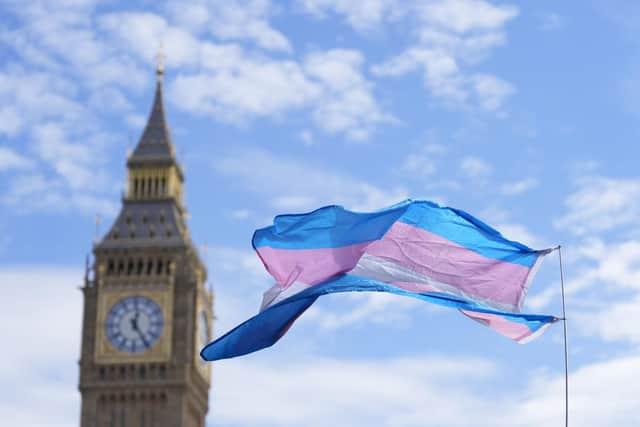

NHS England is launching a consultation on its proposal to remove the use of the cross-sex hormones for u-18s “as a routine intervention”, and new referrals for those seeking testosterone or oestrogen have been halted.
Under what has been described as “gender affirming care”, children in the UK have been given a range of largely experimental medical interventions to deal with feelings of gender incongruence, or a transgender identity.
Puberty blockers – used to halt normal physical and sexual development in these children – have been banned, and a clinical trial to establish their effectiveness has been paused amid concerns about safety.
Cross-sex hormones were used to feminise the appearance of boys by giving them the female hormone oestrogen, and masculinise girls by giving them testosterone.
Now, NHS England says after an “in-depth review of all available clinical evidence”, it “does not support the continued use of masculinising or feminising hormones” for gender issues in u-18s, and no new referrals will be accepted.
At the weekend, investigative journalist Nick Wallis reported in the Mail on Sunday that it has seen “a recent internal NHS document which acknowledges that injecting oestrogen and testosterone can cause blood clots, breast cancer, heart disease, stroke and 'impaired sexual function'”.
The newspaper said that it also showed the “long term effects of these powerful hormones on teenage brain development is still unknown”.
Baroness Cass’s review into Northern Ireland’s gender service permitted cross-sex hormones, but urged “extreme caution”. It also said there should be a consistency of approach between NI and English services.
Keira Bell, who has campaigned against the use of hormones on children, has welcomed the move by NHS England, saying “every youth deserves protection from this life-altering treatment and the opportunity to live a fulfilling life without becoming a life-long medical patient”.
Having been diagnosed with gender dysphoria, she was put on puberty blockers at 16 – and a year later was given testosterone. At 20, she had a double mastectomy. She has said that the further her transition went, the more she realised “that [she] wasn’t a man, and never would be”. She later stopped hormones but has spoken of the damage done to her body.
On Monday morning, the News Letter asked Northern Ireland’s Health Minister Mike Nesbitt if the health service here has halted referrals, whether it will follow NHS England and consult on a similar policy to end the use of the drugs – and whether the minister intends to bring the issue to the executive, and what will he advise fellow ministers as to the best course of action.
At the time of publication, the Department of Health had yet to respond.
In the Cass Review of NI gender services, published last month, it was recommended that the service could provide masculinising/feminising hormones from age 16, “but the Review would recommend extreme caution. There should be a clear clinical rationale for providing hormones at this stage rather than waiting until an individual reaches 18”.
It also said “there would need to be consistency of approach to transition to hormones” between the NHS in England and Northern Ireland – and said there should be “consistency of approach to decision making”.
Mr Nesbitt has previously said he would follow the review’s recommendations.
At the weekend, Professor James Palmer, national medical director for specialised services at NHS England, said a review into the drugs “has established that the available evidence does not support the continued use of masculinising or feminising hormones to treat gender incongruence or dysphoria for young people under 18.
“We are now launching a public consultation on a revised policy which would see the NHS remove this treatment as a routine intervention for young people under 18. As part of the consultation NHS England will want to determine whether any key evidence may need to be reviewed before a final policy is published.
“The NHS has exercised extreme caution when considering starting young people on this treatment – in accordance with the advice from Dr Cass – and as part of this action will now be pausing any new referrals for this treatment for 16 and 17-year-olds.
“Patients currently receiving these treatments on the NHS can continue but this will need to be reviewed individually with their clinical team”.