
Widespread opposition in Northern Ireland to Labour government's 'intrusive' Brit Card digital ID proposals
All of Stormont’s main parties have expressed their opposition to government plans to introduce a compulsory digital ID scheme for anyone seeking work in the UK – including British citizens.
So-called Brit Cards have been sold by Labour as a way to verify a citizen’s right to live and work here – but the concept has been opposed by opposition parties at Westminster as unnecessary and state overreach.
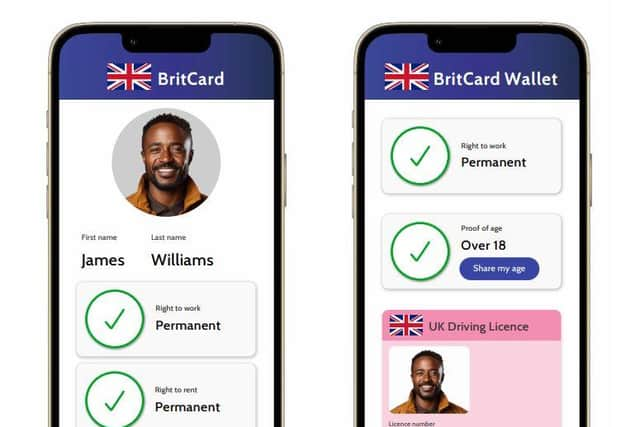

Sir Keir Starmer says they can be used to tackle illegal immigration, as anyone starting a new job or looking to rent a home would be required to show the card on a smartphone app.
There has also been opposition to the plans from Stormont’s Executive parties and the official opposition. Unionists have opposed the plans on civil liberties grounds – while nationalist parties have claimed that it would breach the Belfast Agreement.
The mandatory ID card will include an individual’s name, date of birth, nationality or residency status, and a photo.
The DUP says its MPs will not support the plans in parliament, arguing they would do very little to stop illegal immigration – and described the plan to make the scheme compulsory as “worrying”.
The Ulster Unionists have branded the plans are “intrusive” and a threat to liberty and privacy – arguing they would fundamentally threaten “the rights and freedoms of citizens across the United Kingdom”.
The TUV leader has also opposed the plans – but said if they are to proceed they must apply across the whole of the UK.
DUP leader Gavin Robinson said the “real challenges in tackling illegal entry to the UK lie at our borders and in enforcement, not in creating yet another layer of bureaucracy for ordinary citizens”.
The East Belfast MP said illegal immigration needs to be made “much more difficult and much less lucrative”.
“Serious questions remain about how such an intrusive scheme would operate. What happens to people, particularly older people, without smartphones or easy access to digital technology? Why should every UK citizen be forced to prove their identity in this way when National Insurance numbers already perform this function for work and access to services?
“There are also legitimate concerns about data security. The Government has not demonstrated that such sensitive personal information could be safely stored, or that it would not be vulnerable to abuse, leaks, or hacking. We have seen in recent weeks how systems have been compromised causing havoc – there is little confidence that this system would be secure.
“Most worrying of all is the compulsory element. Forcing citizens to carry a digital ID card would be a fundamental shift in the relationship between the individual and the state, undermining liberty and privacy in ways that are totally unacceptable.
Proposals to deal with immigration should be robust, fair, and effective, but they must be done on a UK-wide basis and without penalising law-abiding people. Digital ID cards fail on every count”. Mr Robinson said.
In a joint statement, UUP MLAs slammed the proposals. A party spokesperson said it is “an excessive and ill-conceived initiative that compromises the fundamental right to privacy for law-abiding citizens.
“Such a system would undermine trust and liberty by granting the state unprecedented control over personal lives, jeopardising the core democratic values of liberty, privacy, and accountability.
“The Ulster Unionist Party is clear: we will oppose this at every turn. This proposal must not become law, and we will work to protect the freedoms that people throughout the United Kingdom cherish”.
TUV leader Jim Allister said he has “serious concerns about centralised control of personal data and its misuse” – and will “happily join in the national battle to protect individual privacy and details”.
“ID cards are a national issue which if they were to exist must apply across the whole United Kingdom. There should be no question of again caving in to Sinn Féin’s anti- British agenda to exempt Northern Ireland from a national British ID scheme, if one is imposed. There would be serious constitutional issues in such exemption of NI, with nationalism again emboldened to proclaim all-island alignment”, he said.
SDLP leader Claire Hanna says Northern Ireland should be exempt from the scheme, claiming it would be “unworkable” here. The nationalist leader, who sits on the government benches at Westminster, said the scheme “does not reflect the reality of people’s rights of identity and citizenship”.
First Minister Michelle O’Neill called the government proposal “ludicrous and ill-thought out” – and claimed it was “an attack on the Good Friday Agreement and on the rights of Irish citizens” in Northern Ireland.